admin
adminJosiah Hungwe
ZIMBABWE achieved one of the highest literacy rates in Africa following independence in 1980 and has managed to maintain this success over the subsequent years, despite the hardships the country has undergone. However, the system of education in Zimbabwe has tended to follow a traditionally academic path based on the English “O” and “A” Level curriculum with its emphasis on the arts and classics.
At the same time youth unemployment is extremely high including for many university graduates (Educated without life skills).
Employment prospects of school-leavers and graduates are grim leading many to eke out a poor existence in the informal sector as vendors either at home or on the streets of neighbouring countries in expectation of a better life.
Even in the rural areas where new opportunities in farming have arisen technical skills remain limited on the part of our students ranging from early learning, primary, secondary and tertiary levels.
This missing link in our education system is what the Government of Zimbabwe has decided to address through the new Ministry of State for Liaising on Psychomotor Activities together with the traditional primary, secondary and tertiary education sectors.
All this calls for a revisit of two educational milestones in our history that did not receive sufficient attention to benefit our pupils our students and the nation.
These are the education with production concepts at independence and the report of the Presidential Commission of Inquiry into Education and Training (The Nziramasanga Commission Report of August 1999).
The Commission recommended the promotion of practical skills in primary schools the introduction of vocational education and training in secondary schools leading onto a range of qualifications in different areas such as professional academic practical and technical fields.
Education with production emphasised self-reliance and the development of entrepreneurial skills as a prerequisite for development.
The need for citizenship education with skills development in mind.
Vocational, Technical and Commercial Education reorientation among our students towards the dignity of practical work and the promotion of small-scale projects to empower students to sustain their lives and those of their communities cannot be overemphasised so that the glaring lack of survival skills in our current curriculum can be addressed.
Youth unemployment is a global phenomenon and it is generally agreed that it can only be tackled by providing skills training for young school-leavers to enter the workforce immediately equipped with appropriate training that will render them employable and develop among them entrepreneurial skills that will empower them to be masters of their own destinies and be able to start businesses that will not rely mainly on buying and selling in a small and oversubscribed market.
It is clear that although Zimbabwe has a high literacy rate, the graduates churned out by our traditional system of education are not able to contribute to the development of the country let alone to look after themselves.
The cost both social and economic of such a vast population of unemployed and idle youths are unsustainable. Our President has stated this fact over and over decrying change of curriculum and attitudes on the part of those presently involved in education.
Therefore, it is imperative that this problem be addressed urgently before it becomes unmanageable and impedes the development of the country. Young people in position of enthusiasm and energy should be able to remain in the country and contribute to its development.
The school curriculum at all levels needs to be restructured to develop in our graduates entrepreneurial skills and to give them skills that will reflect the current indigenisation philosophy that seeks to empower our people.
Future players in our development are those that can take part practically in what is happening.
There is, therefore, need for a paradigm shift in our educational system that gives skills to our people.
China as a study reflects how a nation can transform overnight and be developed in the shortest possible time the value of a practical education needs to be articulated to give our youth a sense of self-worth and engender among them an appreciation of the value of work and the role of small industries.
Hard work, self-discipline, self-reliance can play in developing a people and the nation as a whole.
This project is a new dispensation and therefore seeks to empower young people before they leave school with life skills and abilities that will help them to find gainful employment and sustain themselves their communities, society and the nation.
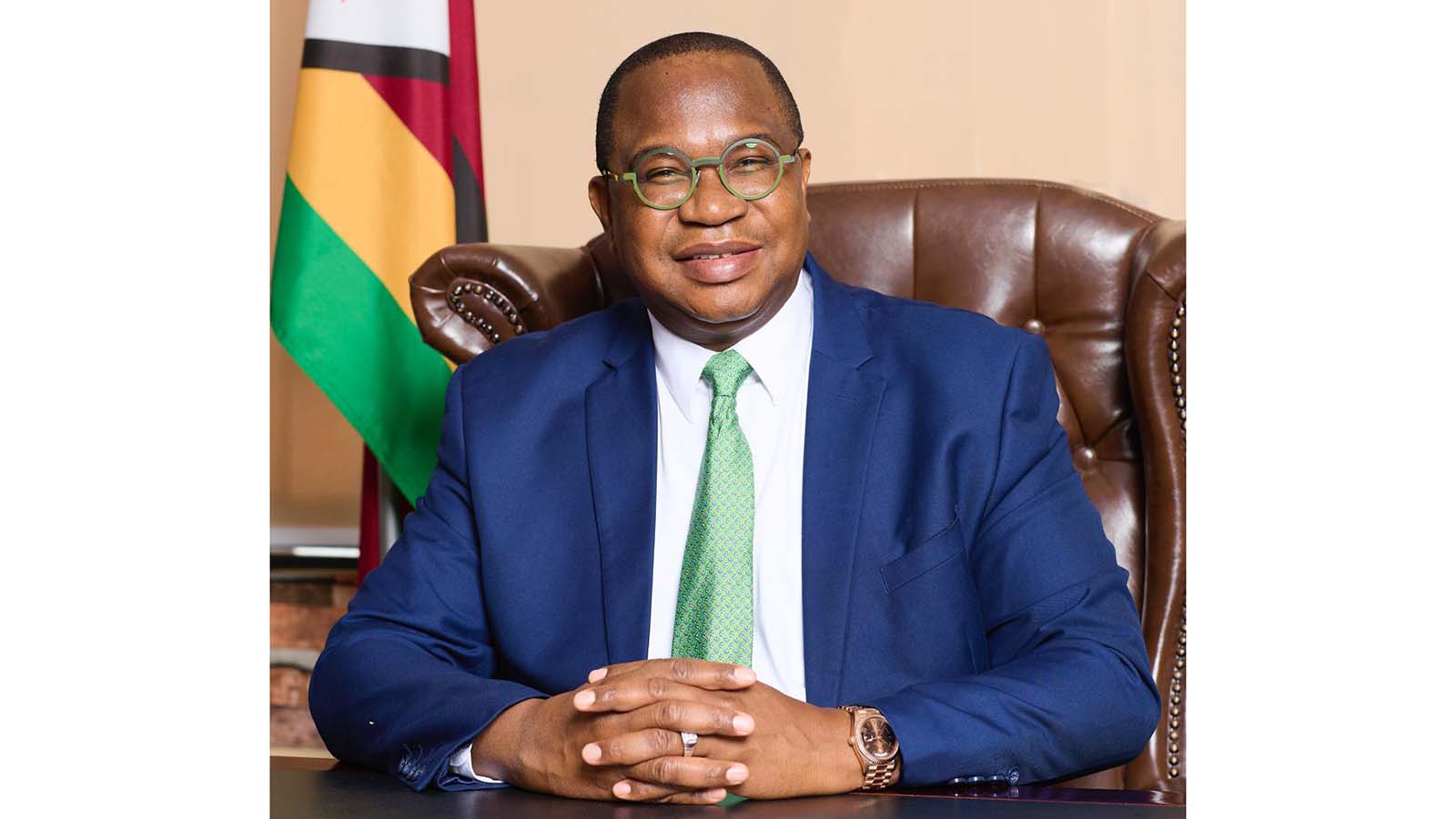
Josiah Hungwe is the Minister of State for Liaising on Psychomotor Activities in Education and Training


 Online Reporter