Online Reporter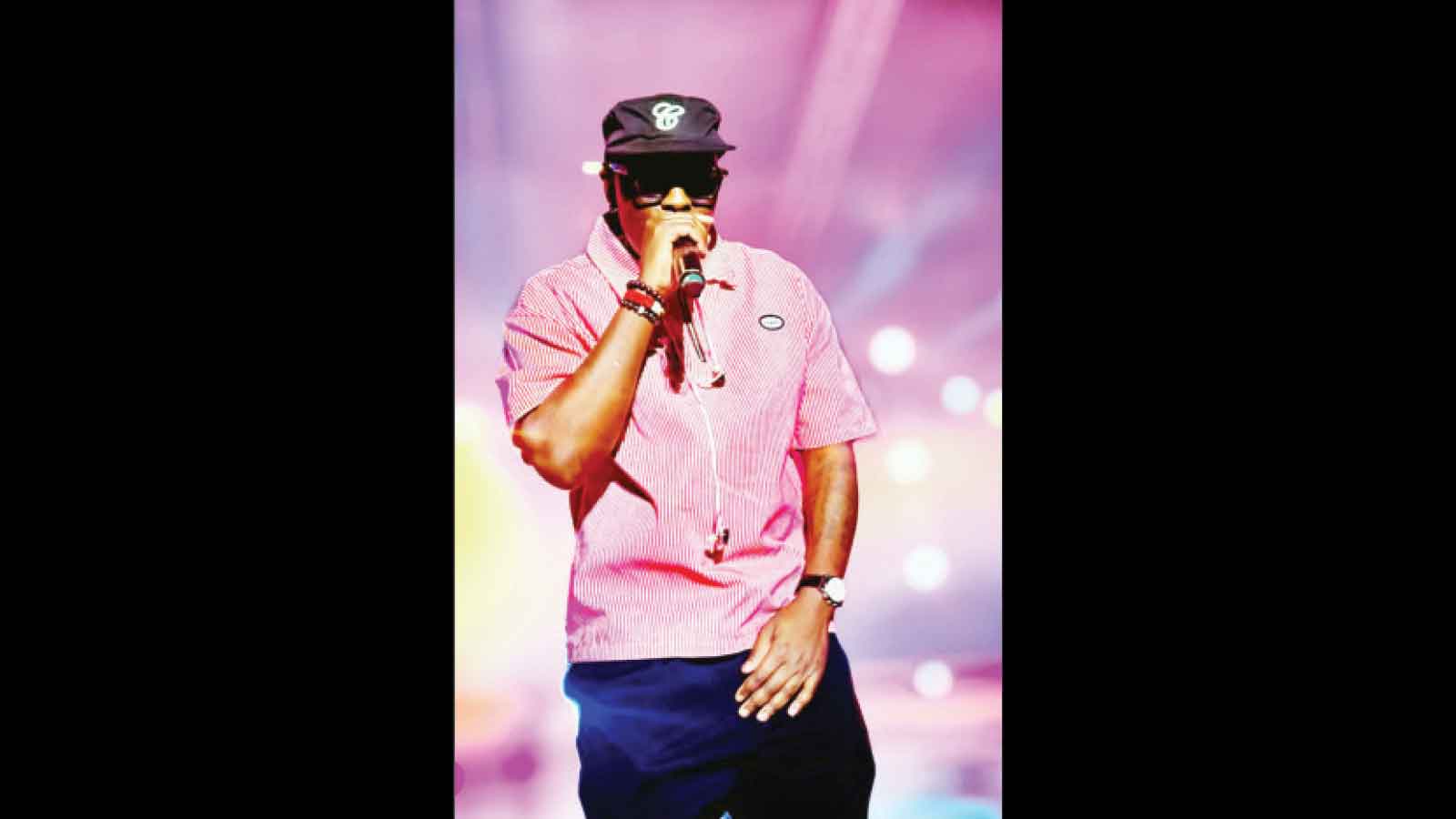
Tafadzwa Zimoyo-Zimpapers Entertainment Editor
It was supposed to be King Kandoro’s litmus test.
Instead, by the time the last note faded at First Capital Bank Sports Club, the comedian-turned-entertainment boss had answered the question emphatically:
He did not just buy the party, but won it.
For a man who only recently stepped into the shoes of Unplugged’s new custodian, the 29th edition was always going to attract scrutiny.
Could Kandoro, known primarily for making Zimbabwe laugh, successfully take charge of one of the country’s most established music and lifestyle brands?
Could he preserve the magic Ellinah Chipumha and Chiedza Danha created?
Could he convince the loyal Unplugged audience that the brand was changing hands without losing its soul?
The answer came not from a press release, but from the crowd.
They came.
They filled the venue.
They sang.
They danced.
They stayed.
The 29th edition was a sold-out affair, with the First Capital Bank Sports Club transformed into a sprawling meeting point for music, fashion, food, socialising and Zimbabwean pop culture.
This was no longer just a concert.
It was a social ritual.
And Kandoro’s first major outing as owner could hardly have asked for a stronger endorsement.
On the line up include Kim Makumbe, Tahle Wedzinza, Tamy Moyo, Takura, Travellers Band, Slent Nqo and several disc jockeys, among others.
For Takura, the “Haarore” hitmaker walked into a crowd already primed for entertainment and quickly reminded everyone why he remains one of Zimbabwe’s leading musical exports.
With Mai Mwana, Handizvione and Anondida among the songs in his set, Takura turned the venue into a giant chorus, as fans sang along with phones into the air.
And for those few minutes, the distinction between performer and audience disappeared.
Takura was not simply performing his catalogue.
The crowd was performing it with him.
“Takura still has that connection with the people. The moment he started Mai Mwana, everyone around me was singing,” said one fan.
“This was one of the biggest moments of the night for me. He understood the audience and gave them exactly what they wanted.”
There was no need for theatrics beyond the music.
The songs themselves did the heavy lifting.
And that is perhaps the greatest compliment a performer can receive.
While Takura provided one of the night’s biggest moments, Unplugged was careful not to become a nostalgia machine.
Rising star Makumbe made a vibrant debut, giving audiences a glimpse of what the next generation of Zimbabwean music could look like.
Her inclusion was significant.
For a mature brand, there is always a temptation to rely exclusively on familiar names.
But Unplugged continues to create space for discovery. Tamy Moyo, Wedzinza, guitar virtuoso Sylent Nqo, Tanto Waive and Travellers Band had a good day in the office, producing a programme that moved between established appeal and emerging energy.
It was a musical conversation between generations.
But the real star of Unplugged may have been the audience.
This is a crowd that has developed its own culture over the years.
Young professionals mingled with creatives, entrepreneurs, socialites, music lovers, and familiar faces from Zimbabwe’s entertainment and corporate circles.
There were fashion, networking and reunions.
There was music discovery.
And there was the unmistakable pleasure of simply being somewhere people wanted to be.
Most importantly, despite the packed venue, the atmosphere remained largely civilised, relaxed and respectful.
That matters.
Zimbabwe has no shortage of concerts, but there are relatively few entertainment spaces where a full house can feel lively without becoming unruly.
Unplugged has cultivated that balance.
One attendee said: “You can come here and enjoy yourself without feeling like you are fighting for space. You meet people, listen to good music and enjoy the whole lifestyle.”
Another said: “Unplugged has become somewhere you have to be. Even if you are not coming only for one artist, you want to experience the event.”
That is the point at which an event becomes a brand.
And when a brand develops a loyal audience, it starts becoming something even more valuable: a movement.
Before the event, Kandoro had already made it clear that he understood the responsibility of taking over a successful property.
In an interview with The Herald, he acknowledged that Unplugged was already “a brilliant concept” run by “brilliant people”, saying his intention was to remain faithful to the foundation established by the founders while adding his own “pomp and frills”.
That may have been one of the most important statements surrounding the takeover.
The event did not feel like a comedian had suddenly decided to turn a music festival into a comedy show.
In fact, Kandoro himself has made it clear that there is “zero chance” of him grabbing the microphone as a performer at his own Unplugged event.
His role, he said, is about the vision.
And perhaps that restraint is exactly what the brand needed.
For all the attention on the performers, one of the evening’s biggest achievements was something audiences often only notice when it goes wrong: organisation.
With a full house, there was little room for mistakes.
Yet the programme maintained its momentum, performances moved with purpose, and the audience remained engaged.
The event felt coordinated rather than chaotic.
“You could tell there was a plan. Even though the place was full, the event still flowed,” said Precious Moyo (19) from Highlands.
That is important because Unplugged is no longer selling music alone.
It is selling an experience.
Where you enter, sit, eat, what you hear, who you meet.