Online Reporter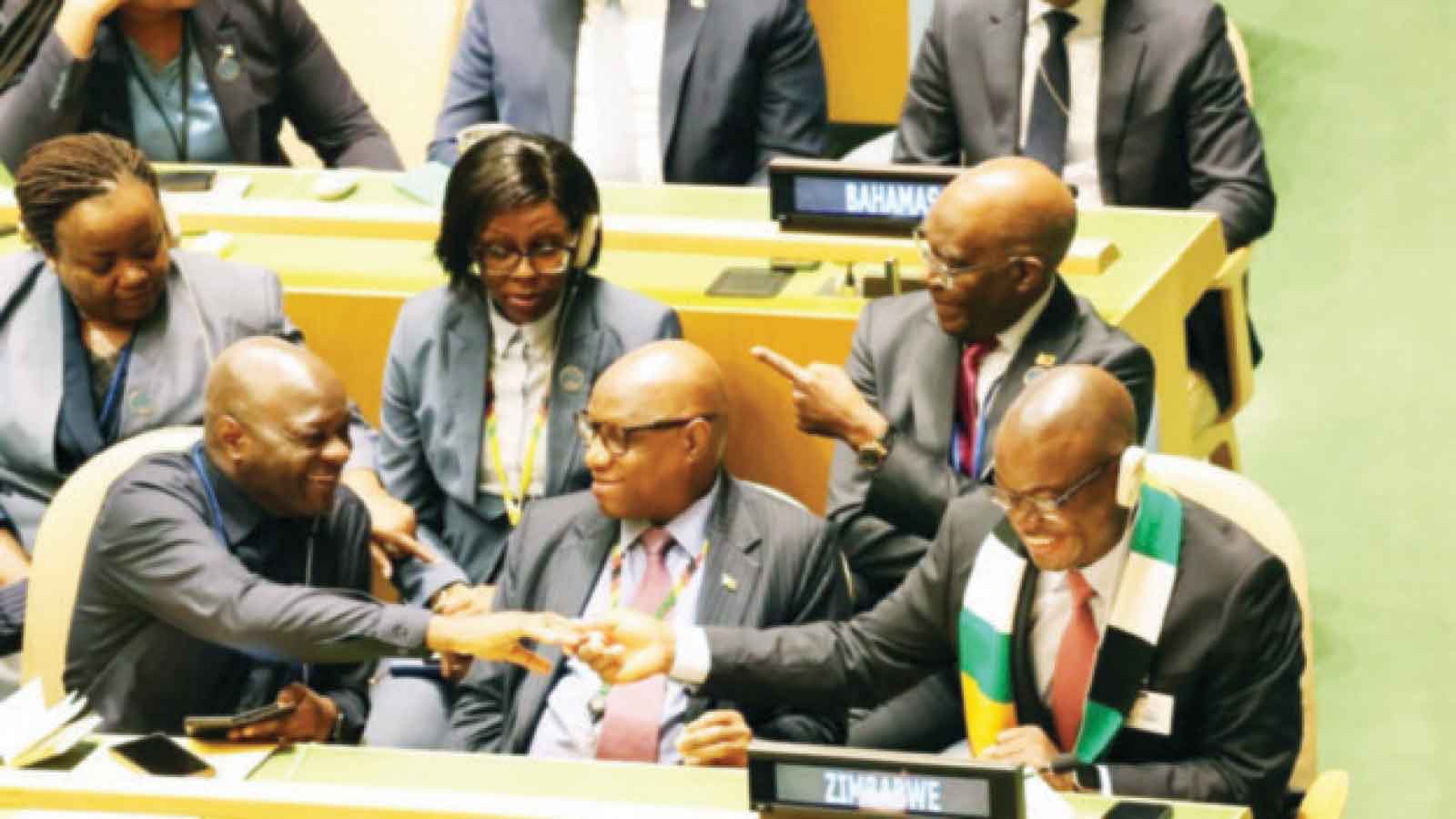
Marilyn Mutize
ZIMBABWE’s election to the United Nations Security Council as a non-permanent member is more than a diplomatic achievement.
It is a defining moment in the country’s modern history, a vote of confidence by the international community, and a clear indication that Zimbabwe’s voice matters on the global stage.
The overwhelming support received by Zimbabwe — 182 votes out of 190 cast by United Nations member states — speaks volumes. In international diplomacy, numbers matter.
Such a commanding endorsement cannot be dismissed as a routine electoral outcome. It reflects trust, recognition and acceptance from countries across different regions, political systems and economic blocs.
For a nation that has often found itself at the centre of international debate over the past two decades, this victory carries profound significance.
It demonstrates that the global community is increasingly willing to engage Zimbabwe as a partner in addressing international challenges and shaping the future of global governance.
The election is also a testament to the effectiveness of Zimbabwe’s Engagement and Re-engagement policy.
Since its adoption by the Second Republic, the policy has sought to rebuild relationships, strengthen diplomatic ties and foster constructive dialogue with nations around the world. While critics have often questioned its impact, the UNSC vote offers tangible evidence that the strategy is yielding results.
Diplomacy is not measured by headlines alone. It is measured by relationships, influence and trust. Securing 182 votes in a highly competitive international environment shows that Zimbabwe’s diplomatic efforts have resonated with the global community.
It reflects years of engagement by the country’s leadership, diplomats and representatives who have worked tirelessly to project Zimbabwe as a responsible member of the international family.
The significance of a seat on the Security Council cannot be overstated. The UNSC is the most powerful organ of the United Nations when it comes to matters of international peace and security.
It is the body tasked with addressing conflicts, authorising peacekeeping missions, imposing sanctions and responding to some of the world’s most pressing crises.
While non-permanent members do not possess veto power, they nevertheless play a critical role in shaping discussions and influencing decisions.
Zimbabwe will now have a seat at the table where crucial decisions affecting global peace and stability are debated. This provides the country with an unprecedented opportunity to contribute to international policymaking while advancing issues of importance to Africa and the developing world.
Zimbabwe’s election comes at a time when the international community is facing numerous challenges. Armed conflicts continue to destabilise regions across the globe. Climate change is increasingly recognised as a security threat.
Economic inequalities persist, and geopolitical tensions are reshaping international relations. Against this backdrop, Zimbabwe’s participation in the Security Council offers an opportunity to advocate for dialogue, cooperation and peaceful resolution of disputes.
Importantly, Zimbabwe will not be speaking only for itself. It will also help amplify Africa’s voice in global decision-making. For decades, African nations have argued that the continent remains underrepresented in key international institutions despite being home to more than a billion people.
Zimbabwe’s presence on the Security Council strengthens Africa’s representation and provides another platform from which the continent’s concerns can be articulated.
This is particularly important as Africa continues to confront challenges related to peace, development, security and climate resilience. Zimbabwe’s experience, both as a nation that has overcome significant challenges and as a country committed to regional cooperation, positions it to make meaningful contributions to these discussions.
The victory should also inspire a renewed sense of national pride among Zimbabweans. At times, public discourse has been dominated by economic challenges, political differences and social concerns.
While these issues remain important and require continued attention, moments such as this remind citizens that Zimbabwe possesses considerable strengths and potential.
The election demonstrates that despite challenges, the country retains significant diplomatic capital and international goodwill. It highlights the professionalism of Zimbabwe’s foreign service and the effectiveness of its international engagement efforts.
Above all, it shows that Zimbabwe is capable of achieving success on the global stage when it acts with purpose and determination.
Yet celebration should be accompanied by responsibility. Winning a seat on the Security Council is an achievement; making a meaningful contribution while serving on it is the real test.
The world will be watching how Zimbabwe approaches its responsibilities. The country must demonstrate principled leadership, promote peaceful solutions to conflicts and uphold the values of multilateralism that underpin the United Nations system.
Zimbabwe has long championed sovereignty, equality among nations and respect for international law. These principles will undoubtedly shape its contribution to Security Council deliberations. At a time when divisions and rivalries often threaten international cooperation, Zimbabwe has an opportunity to advocate for dialogue and consensus-building.
The election also has potential economic and strategic benefits. International recognition often enhances a country’s profile among investors, development partners and multilateral institutions. While a UNSC seat is not an economic policy instrument, it strengthens Zimbabwe’s international standing and reinforces the perception of a country actively engaged in global affairs.
President Mnangagwa’s declaration that “Zimbabwe is open for business” gains additional weight when accompanied by such a significant diplomatic accomplishment.
Investors and international partners pay attention to a country’s global reputation, and Zimbabwe’s election sends a positive signal regarding its role in international affairs.
Ultimately, this victory belongs not only to Government or diplomats but to all Zimbabweans. It is a national achievement that reflects the country’s resilience, determination and enduring relevance in global affairs.
As the nation prepares to take its seat on the United Nations Security Council, Zimbabwe should embrace the moment with confidence and humility. Confidence because the overwhelming vote demonstrates international trust. Humility because global leadership comes with immense responsibility.
History will remember this election as a milestone in Zimbabwe’s diplomatic journey. It marks a transition from being a subject of international discussions to becoming an active participant in shaping them.
It is a moment that deserves celebration, reflection and renewed commitment to the ideals of peace, cooperation and development.
Zimbabwe has earned its place at one of the world’s most important decision-making tables.
The task now is to ensure that the country’s voice is heard, respected and used to advance not only national interests but the broader cause of a more peaceful, just and equitable world.