Online Reporter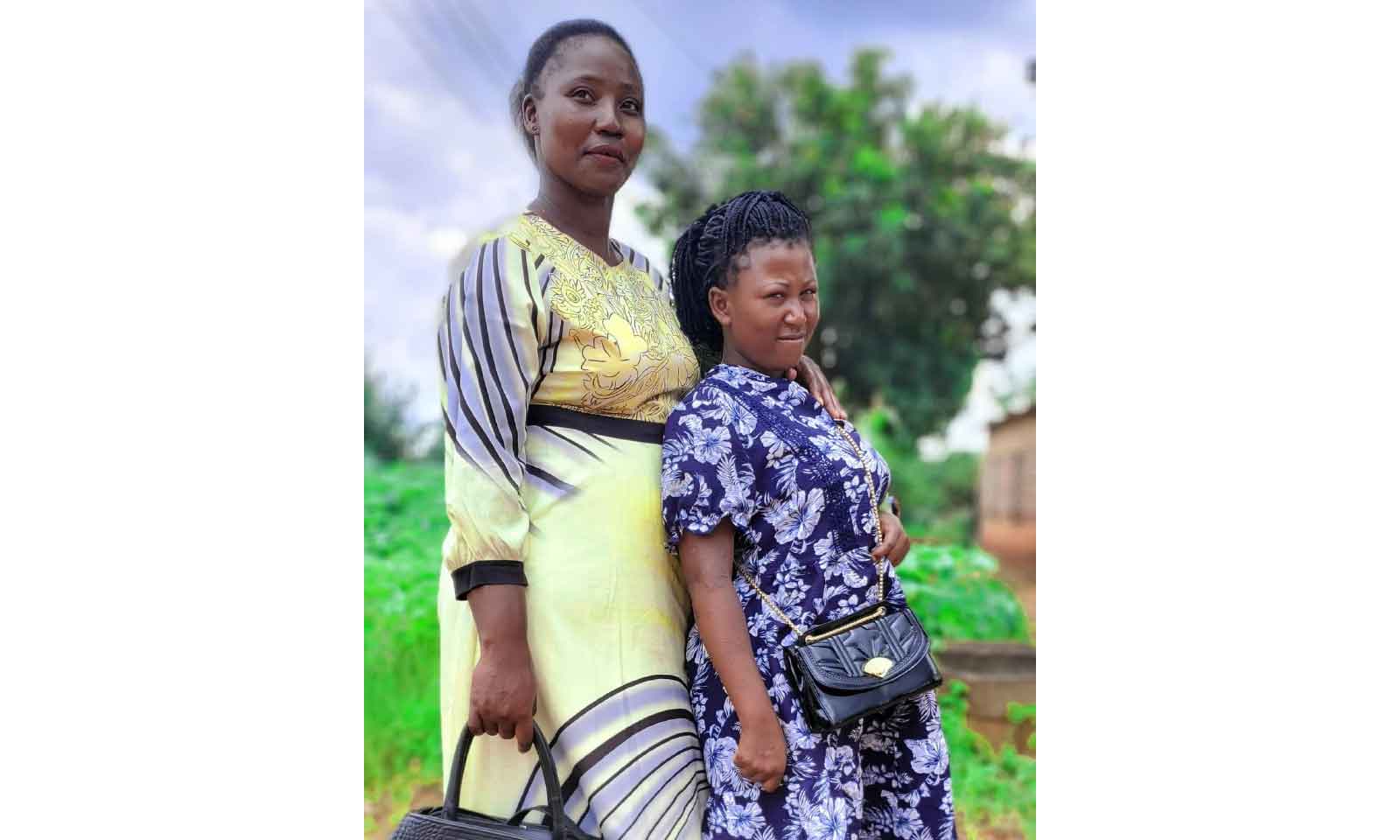
Patrick Chitumba
AS Women’s Month comes to a close, we celebrate the extraordinary mothers and guardians who dedicate their lives to caring for children with disabilities. These selfless individuals wake every morning ready to face another day of challenges and triumphs, often without a whisper of recognition.
Bathing, dressing and feeding are not just routine tasks for these caregivers – they are acts of devotion carried out with unwavering commitment. They push through physical and emotional exhaustion, drawing strength from the smiles of their children.
From managing tantrums to administering medication, their days demand constant balance and vigilance. Yet despite the struggles, they beam with pride, knowing they are providing a safe haven for their loved ones.
Many of these mothers are also the sole breadwinners, juggling caregiving responsibilities with meagre income opportunities. They sacrifice personal ambitions, social lives and even their own health to ensure their children’s well-being.
Financial strain is a daily reality, but they refuse to give up. Their resilience inspires admiration as they stretch limited resources, conjure meals from next to nothing and turn worn-out clothing into comfort items for their children.
Behind closed doors, these mothers often carry their burdens in silence, grappling with isolation and frustration. Societal stigma and discriminatory attitudes can be overwhelming, yet they refuse to let prejudice define their families. Instead, they forge ahead with love, patience and an unshakeable commitment to their children’s happiness.
Ms Nyarai Moyo from Mkoba 14 in Gweru is one of these women who give of themselves wholeheartedly every day.
Her son, Atiwell Tariro Takavada, has cerebral palsy.
“He is 12-years-old and attends Mudavanhu Zimcare Trust, a school for children with special needs located in Mkoba 11 in Gweru. He is a day scholar,” said Ms Moyo.
She said Atiwell must be bathed, fed, clothed and carried onto his wheelchair. He also relies on incontinence aids, including adult diapers.
“I then push him on his wheelchair to the bus stop where I assist him to board the school bus every morning. I’m unemployed, so I go around the villages looking for menial work to raise money. I usually get my duties done before 1PM so that I can go to the bus stop to collect my son from school.”
Ms Moyo said that because of his condition, Atiwell will require lifelong care. She explained that coping with a child with a disability is demanding, from maintaining specific diets to meeting daily care needs.
“He has to adhere to a light diet, so I have to try and buy him the food he needs and also provide diapers. It is very hard as the costs for these things are expensive and beyond my reach. Atiwell also needs a permanent home and US$250 to get through each month,” she said.
Ms Moyo said she does not own a home and is forced to move frequently as landlords react negatively to her son’s disability.
“We usually spend an average of three months at each house because they think disability is contagious and that their children will be affected,” she said.
Ms Talent Chibvuri, mother to 18-year-old Ruvarashe Marechera who has a learning disability, shares a similar burden.
Ms Chibvuri said they survive from hand to mouth, relying on the little she earns from selling sweets, perfumes and other small items. Ruvarashe also attends Mudavanhu Zimcare Trust School.
“Ruva has a learning disability, so academically we have ruled out that she will benefit from skills training. She used to attend a local mainstream school, and we were hoping that she would be able to read and write, but we later realised that she needed to attend a special school, which was facilitated by the Department of Psychological Services in the Ministry of Primary and Secondary Education,” she said.
Ms Chibvuri said while BEAM supports Ruvarashe’s school fees, the assistance has been inconsistent, leaving her to cover costs for the past three years.
“Ruva is now 18 and come this December, she will be exiting primary school. She is supposed to attend a workshop, but the parent is required to pay a full amount of up to US$2 000 per term, which I can’t afford. As a result, she will end up staying at home,” she said.
She said caring for Ruvarashe comes with extensive special needs, from food to skin care.
“Having a child with a disability requires a lot of patience, and accepting the child as they are because their behaviour requires constant supervision to prevent them from getting hurt. Discrimination is very high from families and the community,” she said.
Ms Chibvuri added that myths and misconceptions surrounding disability remain widespread, with some believing that caring for a child with a disability is a curse or punishment, isolating children from their peers.
She expressed her desire for government supported special schools and grants to help families meet care needs. Additionally, she emphasised the need for suitable, disability friendly housing.
“We face difficulties of renting with a child with a disability mainly due to landlords’ lack of understanding and tendency to inflict physical and emotional abuse,” she said.
Senator for people living with disabilities, Annah Shiri, said mothers such as Ms Chibvuri and Ms Moyo must be honoured as the backbone of their families.
“There is need to advocate for children’s rights, navigating complex systems, and fighting for their inclusion in society,” she said.
Senator Shiri said the courage and determination of these mothers remain a beacon of hope, lighting the path toward a more compassionate society.
“As we honour these heroes, let us acknowledge the profound impact they have had on their children’s lives. They are showing the world what it means to love without condition, to give without expectation, and to care without limits. Their love is a legacy that will inspire generations to come. Thank you, dear mothers and guardians, for being the unsung heroes of our time,” she said.
Women’s Month is celebrated every March — a period dedicated to recognising and honouring the contributions, achievements and struggles of women worldwide.
Its origins date back to the early 20th century, with the first National Women’s Day marked in the United States in 1909. The United Nations proclaimed 8 March as International Women’s Day in 1975, and it has since grown into a global platform promoting gender equality, women’s rights and awareness of issues affecting women.