Chronicle Editor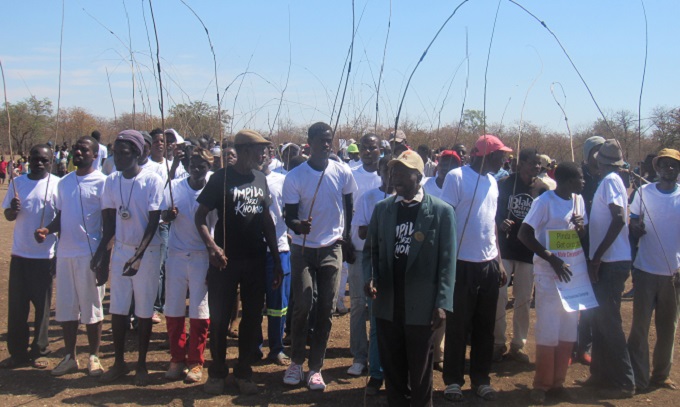
Walter Mswazie recently in Mwenezi
VEILED in a remote district of Mwenezi in Masvingo province is the Tshangani tribe which has upheld a long tradition of cultural initiation under which all “real” males must undergo circumcision.
As part of their rites of passage, boys from the age of 12 years and men are taken for the initiation rituals in bush camps especially during winter where they are taught many sacred things about Tshangani culture. It is during these initiations that they also get circumcised.
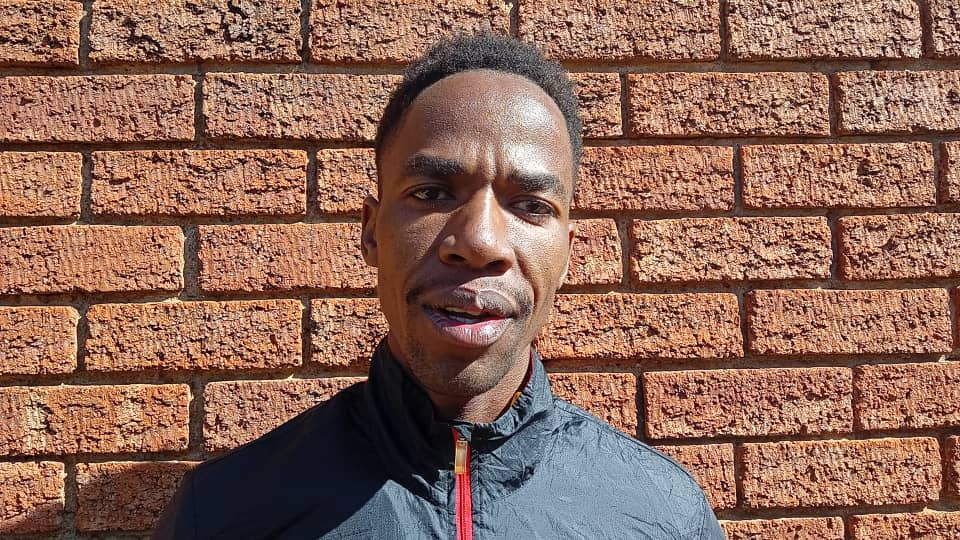
One of the 376 circumcised males who graduated at Ndangambi Turf Primary School camp in Mwenezi West recently, Mr Hasani Hasani (34) from Chief Chitanga’s area could not hide his joy after undergoing the four-week long initiation, saying he had attained full manhood.
He said some of his tribesmen would not achieve this in their lifetime.
“I’m happy to have undergone hoko, (Tshangani circumcision initiation). I’ve attained full manhood and can freely participate in family rituals. I’ll also be respected by my future wife who should also have undergone initiation which is, however, different from ours as males,” said Mr Hasani.
He said being a product of Tshangani initiation clears a lot of myths and misconceptions that some cultures had about his tribe.
“When I was growing up, I was afraid of being circumcised, as some people told us that one could die during the process.
“There were a lot of myths and misconceptions peddled by people but that was later demystified and I gathered the courage to partake in this initiation.
“I couldn’t have done it when I was young because I had migrated to South Africa, just after completing my Ordinary Level education in 2000,” he said.
While the circumcision that Mr Hasani underwent recently is strictly for cultural purposes, the Government has embraced it under its Voluntary Medical Male Circumcision (VMMC) strategy that encourages more boys and adult men to be circumcised.
This came about after research had showed that circumcision reduces the risk of female-to-male HIV transmission by up to 60 percent.
The Ministry of Health and Child Care, National Aids Council (Nac), Population Service Zimbabwe (PSI) has partnered with such cultural groups in its efforts to reduce the new infections to zero by 2030 while promoting the traditional benefits of the practice.
Disease prevention is one of the reasons why the Government has partnered with these cultural groups such as the varemba in Mberengwa, Venda in Beitbridge, Xhosas in Mbembesi and the Moslem communities among others, but circumcision was considered as a rite that all males should dutifully tag along.
This was done, not necessarily to prevent diseases alone but a circumcised man was considered a complete man by his wife with unconfirmed reports that it spiced the bedroom game.
Mr Ernest Chitanga who represented Chief Chitanga (Feleni Chauke) at the ceremony said while the issue of disease prevention was appreciated in circumcision of Tshangani males, it was not taken as a prominent factor, like today.
He said the initiation was more to do with the preservation of culture and not merely focused on protection against diseases, which were also rare in the early 1960s to early 1980s.
“Our culture by its nature is sacred and every Tshangani tribesman is obliged to undergo circumcision initiation. One is considered an outcast when he is not circumcised and doesn’t participate in rain-making ceremonies or any other beer ceremonies that the cultural group convenes.
“We also didn’t allow Tshangani men to marry non-Tshangani women unless she was also prepared to go for initiation first. Women who married non-Tshangani men were also not allowed to participate in some family activities. Instead they were treated with disdain and were not allowed even to cook food,” said Mr Chitanga.
He said Tshangani people appreciated the role played by the Government in introducing voluntary medical male circumcision to the tribe.
“Voluntary medical male circumcision helps our children prevent diseases. In the past we used one razor blade or knife to circumcise many males in camp. That has since changed as each one will have his own surgical instruments and this is done by trained doctors,” said Mr Chitanga.
He said ideally, they would want to have Tshangani, vaRemba or Moslem doctors who had an appreciation of their culture to conduct the procedures but is happy with the current arrangement as there was no cultural interference as some people thought.
Mr Chitanga hailed the relationship which exists between the Tshangani and health service organisations, describing it as cordial.
“We’re in good books with health organisations and it’s not true that they’re interfering with our culture, as we have heard before. As chiefs, we’re embracing their input, as we can’t medically examine our tools used to circumcise as well as test for HIV infection, it needs trained personnel.
“I’m happy that these organisations are fully aware of their limits as they specifically come for surgical processes. They’re not involved in the whole initiation process,” he added.
Speaking at the same occasion, Mwenezi District Administrator Ms Rosemary Chingwe said: “Tshangani people are a blessed lot. This tribe is pure and even the Bible testifies that because of the circumcision practice.
“During the biblical era uncircumcised Jewish men were taken as unclean. Likewise I’m told uncircumcised men are not allowed to partake in any cultural rituals as they’re also considered unclean.”
PSI provincial manager Mr Ronald Timbe hailed chiefs in Mwenezi for allaying fears on cultural dilution of the Tshangani culture by health organisations.
He said the agenda was to help the cultural groups conduct surgical processes under hygienic conditions and rituals done in the camps were beyond their purview.
“I think you’ve heard it for yourself that our duty as PSI, working in partnership with the Ministry of Health and Child Care, and the National Aids Council has nothing to do with the rituals. We don’t go beyond our scope as we respect people’s cultures at all costs,” said Mr Timbe.
Nac provincial manager Mr Edgar Muzulu said it was refreshing to note that the Tshangani had embraced VMMC which was one of the major strategies used to curb HIV transmission.
Other strategies used to fight the scourge include being faithful to one uninfected partner, practising safer sex and abstinence.
“As Nac, we’re very happy that we’re getting massive support from chiefs in Mwenezi and Chiredzi in our quest to have more males undergoing VMMC.
“As a coordinating organisation, we’re also happy that organisations like PSI came on board as its doctors are the ones doing the surgical processes in camps.
“We hope our goal of closing the tap — thus achieving zero infection rate and zero HIV deaths by 2030 is achievable. We all know that such groups have been doing such initiation since time immemorial but without being aware that they were contributing to their health,” said Mr Muzulu.
He, however, reminded the graduands that VMMC was not a magic bullet which would empower males to engage in sexual relations with all women without the use of protection.
He said there was still 40 percent risk which called on males to use protective means like condoms and remaining faithful.
Male circumcision is the cutting of the foreskin or prepuce which covers the head of the penis.
According to the Ministry of Health and Child Care, 1 144 061 males have undergone VMMC. The country, however, missed its target to have 1,3 million males circumcised by 2015.
Male circumcision reduces the incidence of sexually transmitted infections such as syphilis, herpes simplex virus 2(HSV-2) and genital ulcer disease (GUD) among men and the incidence of bacterial vaginosis, trichomonias and bacterial vaginosis in their female partners. — @walterbmswazie2



 derick.khumalo