Online Reporter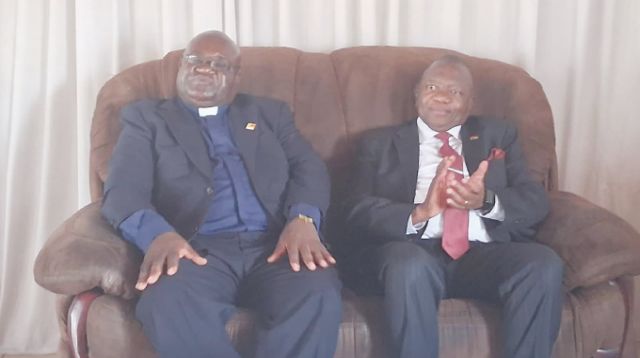
Raymond Jaravaza, Zimpapers Reporter
MALAWIANS living in Zimbabwe are continuing to benefit from the right to dual citizenship, which allows them to obtain passports from both countries in accordance with the constitutional provisions.
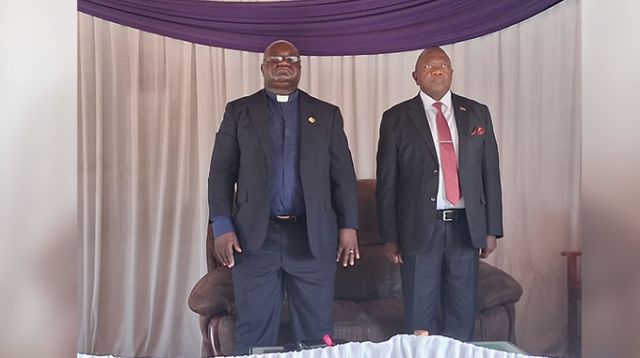
This was highlighted by Malawi’s Ambassador to Zimbabwe, General (Retired) Peter Namathanga, during a meeting with Malawian residents at a local church in Entumbane, Bulawayo, on Saturday.
The gathering saw scores of Malawians engage with Ambassador Namathanga, discussing various issues affecting them, including easier access to passports, birth certificates and business opportunities.
“We have seen a huge uptake of Malawians living in Zimbabwe acquiring dual citizenship as allowed by our country’s constitution. The law was put in place in 2021 and we encourage our people living in foreign countries, among them Zimbabwe, to apply for dual citizenship,” said Ambassador Namathanga in an interview on the sidelines of the meeting.
He said Malawi has a lot to learn from Zimbabwe in critical sectors of the economy such as mining and agriculture.
“Zimbabwe has a rich mining sector and its economy continues to grow supported by gold and other minerals and Malawi has a lot to learn in that regard. Agriculture is also a key sector that we are willing to learn from Zimbabwe and we are exploring avenues to tap into the knowledge that the Zimbabwean Government can assist us. Relations between Malawi and Zimbabwe continue to grow,” he said.
Professor Isaac Silumbu, the Malawi Consul to Matabeleland, said the two countries’ citizens are bound together by a rich history that backdates to many decades ago when Malawians migrated to Zimbabwe’s in search of jobs in the railway construction industry among others.
“Labour migration has played a critical role in shaping Malawi’s social and economic landscape throughout the 20th century. The migratory patterns of Malawians from 1939 to 1960, emphasising the complexity and diversity of these movements across different countries, including Zimbabwe,” said Prof Silumbu.
“By 1948, 40 percent of Malawi’s able-bodied men were estimated to be abroad due to labour migration. Malawi became a key supplier of labour for southern Africa, with over 60 000 Malawians in South Africa by the 1960s.”
Last year officials from the Embassy of the Republic of Malawi were at a local church in Nguboyenja to assist Bulawayo residents of Malawian origin register as dual citizens of both Malawi and Zimbabwe.
The embassy officials had travelled to Gweru, Gwanda, Harare and other small towns in a bid to reach out to many people of Malawian descent interested in acquiring that country’s travelling documents.
Second Secretary (Immigration) Mr Sebastian Golody Lichapa of the Embassy of the Republic of Malawi said the exercise to register people of Malawian descent for dual citizenship is being done in conjunction with the United Nations High Commissioner for Refugees (UNHCR).
“Under an amended Act of the Malawian Constitution, Malawians living in other countries who qualify under dual citizenship fall under three categories — citizenship by birth, by descent and by registration,” said Mr Lichapa.
Mr Lichapa said the embassy was targeting people that fall under the category of citizenship by descent.
“A person born outside Malawi after 5 July 1964 to one or both parents born in Malawi and one or both parents who is a holder of a Malawi passport qualifies for dual citizenship,” he said.
He said the Government of Malawi enacted an Act that allowed dual citizenship from 2021.
“Half of the Malawian population in Zimbabwe has Zimbabwean passports and our government thought it wise to give them dual citizenship. For someone to qualify for dual citizenship, they must have a passport from their host nation then they can apply for a Malawian passport using very simple steps that we are showing them here.
“The steps include showing the immigration officials proof that one’s parents were born in Malawi by producing old passports, certificates of marriage or national identity documents,” said Mr Lichapa.