Online Reporter
Sikhumbuzo Moyo, Zimpapers Writer
BULAWAYO recently launched an ambitious drive to raise US$280 000 to fund the city’s fight against the worsening drug and substance abuse crisis.
The campaign is part of the National Resource Mobilisation initiative launched by President Mnangagwa in July to raise US$77 million for the country’s anti-drug strategy.
Each province is expected to contribute its share, with Bulawayo’s target set at US$280 000, including a US$30 000 remittance to the national fund.

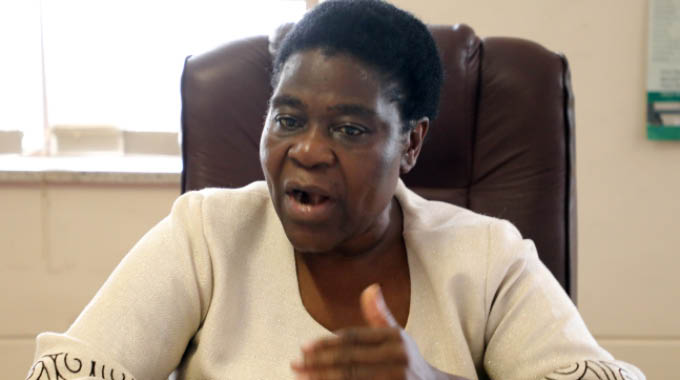
Speaking at the Bulawayo Metropolitan province’s drug and substance abuse resource mobilisation luncheon recently, Minister of State for Provincial Affairs and Devolution Cde Judith Ncube said the effort responds directly to the President’s call for collective action.
“The fight is anchored on the country’s multi-sectoral drug and substance abuse plan, 2024-2030, that was developed under the leadership of President Mnangagwa and launched in June 2024. The plan envisions a healthy and secure nation,” she said.
Minister Ncube said the fight against drug and substance abuse affects all facets of life, and appealed to the corporate world, religious institutions and members of the public to support the fight financially or in kind.
The multi-sectoral gathering, which was attended by Government Ministers, corporate executives, religious leaders, academics, health professionals and senior members of the Joint Operations Command, was told of the human toll behind the statistics.
United Bulawayo Hospitals (UBH) chief medical officer, Dr William Busumani, revealed that some doctors and nurses are among patients admitted to Ingutsheni Hospital due to drug-related mental health issues, with addiction often beginning during training.
“Honourable Minister, I want to inform you that we have our doctors and nurses who are admitted at Ingutsheni Hospital because of the drug scourge. We have noted that these professionals become addicted to drugs while still at college before coming to the field,” he said.
The Minister of Environment, Climate and Wildlife, Dr Evelyn Ndlovu who was the guest of honour, read President Mnangagwa’s speech, highlighting that drug abuse is not only a public health crisis but a threat to national security, socio-economic stability and development.
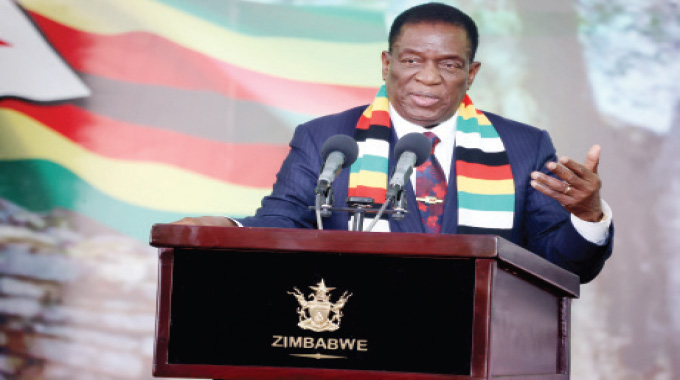
President Mnangagwa outlined the seven-pillar plan under the 2024–2030 National Drug and Substance Abuse Strategy, covering supply reduction, demand reduction, harm reduction, treatment, rehabilitation, legal frameworks and community reintegration.
Launching the National Resource Mobilisation initiative, President Mnangagwa linked the rise in drug and substance abuse to a wide range of social challenges, including gender-based violence, school dropouts, suicides, mental health disorders and road traffic accidents.
He noted that drug abuse is a growing problem globally and as such was not unique to Zimbabwe.
President Mnangagwa said the problem requires urgent and focused national responses.
To lead the national fight, the Government has established the National Committee on Drug and Substance Abuse, which operates through seven key pillars under the 2024–2030 National Drug and Substance Abuse Strategy, covering supply reduction, demand reduction, harm reduction, treatment, rehabilitation, legal frameworks and community reintegration.