Online Reporter
Robin Muchetu, Health and Gender Editor
THE Ministry of Finance, Economic Development and Investment Promotion says it will prioritise affordable healthcare in the second half of the year, with US$63 million set aside for the supply and delivery of medicines to the National Pharmaceutical Company.
Speaking while delivering the 2025 Mid-Term Budget Review yesterday, the Minister, Professor Mthuli Ncube, said health remains a key sector that the Ministry has been prioritising and is also in the process of procuring essential equipment for the screening and treatment of cancer in Zimbabwe.
“Government is committed to ensuring universal access to affordable health care; therefore, priority during the second-half of the year is on securing a continued, reliable supply of contracts worth US$63 million with two major suppliers who are expected to consistently deliver medicines to NatPharm.
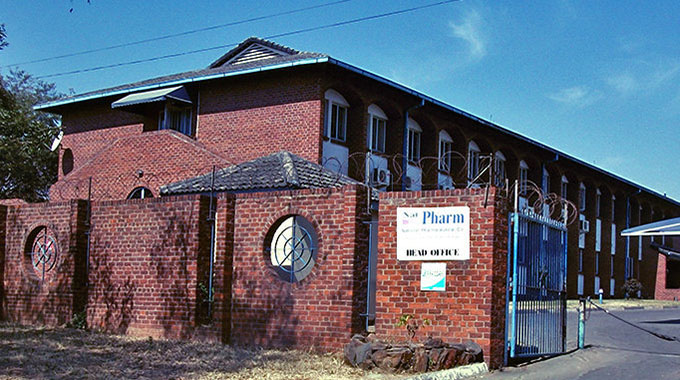
“So far, the Government has committed to honour all its contractual obligations, which have enabled the suppliers to start delivering the medicines. Going forward, the Government will ensure timely payment of these obligations to guarantee the uninterrupted supply of medicines,” he said.
Prof Ncube said the health sector was supported to the tune of ZiG7 billion for the period under review and the resources were disbursed towards compensation of employees for ZWG5,7 billion, use of goods and services ZWG1,1 billion, procurement of medical supplies and services for ZWG0,6 billion, and capital expenditure amounting to ZWG0,2 billion.
He said that during the period under review, Development Partners disbursed US$95,8 million under the health sector.
“The support was disbursed from vertical funds (multi-donor trust funds) and bilateral sources, including the Global Fund, Health Resilience Fund, USAid, PEPFAR and the Centre for Disease Control (CDC), among other sources.
“The interventions in the sector were mainly towards HIV/Aids and tuberculosis (TB) prevention and expanding care for vulnerable populations, as well as enhancing service delivery nationwide. Notable support was also channelled towards digital health, non-communicable diseases and child immunisation programmes, aiming to bolster primary healthcare and promote adolescent engagement and skills development,” he said.
Prof Ncube highlighted that following the Executive Order suspending all American foreign aid programmes in January 2025, the USA will continue to support eight health programmes targeting HIV/Aids and Tuberculosis, while 15 health programmes were terminated, resulting in an estimated 21 percent reduction of support to the health sector.
Government introduced a levy on sugar content on beverages meant to discourage the consumption of high sugar content beverages in response to the growing concerns about the adverse effects of consumption of sugar. Part of the funds are being ring-fenced for therapy and procurement of cancer equipment for diagnosis.
“During the period January 2025 to May 2025, resources amounting to ZWG685,8 million, which is equivalent to US$25,4 million, have since been mobilised. The responsible ministry has already initiated the necessary procurement processes for the equipment, with the target to receive delivery before the end of the year,” added Prof Ncube.
He added that on the health infrastructure side, the thrust is on the rehabilitation and upgrading of infrastructure, procurement of essential medical equipment, including ambulances and utility vehicles, as well as complementary facilities that include incinerators, mortuaries, laundry and kitchen equipment and laboratories, among others. —@NyembeziMu