

 admin
admin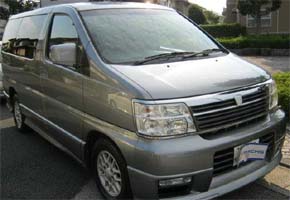
“On left-hand vehicles, it’s controversial but very necessary. We are not inventing the wheel, but it’s standard in many countries.”
Some of the regulations whose deadline end next month include the prohibition of registration of left-hand vehicles, the need for headlamps to be fitted on heavy motor vehicles and the prohibition of registration or use of vehicles whose width exceeds 2,65 metres.
DISCUSS THIS STORY ON FACEBOOK
Other regulations such as the need to carry triangle reflectors, jack, spare wheels among others came into effect in July this year, while the Government has allowed left-hand vehicles already in the country to run their full lifespan. Mr Mbiriri said the regulations were in conformity with Sadc harmonisation of Vehicles Standards and came as a result of wide consultation. Angola, said Mr Mbiriri, pegged three years as cut off period for vehicle imports, while South Africa banned imports of second-hand vehicles.
He was asked whether there had been consensus on the provision since they had deferred the effective date to October saying they wanted to allow consultations.
“It became apparent that we are being fairly reasonable. I don’t think it’s possible to have consensus particularly on the importing of vehicles irrespective of the impact it has because self-interest will come into play. We should not shy away from what we see as self evident,” he said.
The motive behind the regulations, said Mr Mbiriri, was to save lives as research had sho-wn that left-hand vehicles caused accidents owing to sideswipes and head-on collisions.
He said it was debatable, which should come first, capacitating the local industry or introducing the regulations to protect the local industry.
“It is kind of a chicken and egg scenario, which one comes first. They can only be cheaper if more of them are being assembled locally. We can’t think of exporting vehicles when we are producing a handful,” he said.
The local motor industry, said Mr Mbiriri, would never flourish as long as the country was allowing imports, a scenario that has seen Zimbabwe become a market for second-hand vehicles from countries making cars.
“In the reform process, my Ministry is, however, aware of the need for a multi-sector and holistic implementational approach which gives total consideration to the country’s economic performance and the prevailing low salary earnings thereof, the inherent road safety considerations, but certainly within the context of regulations and international best practices,” said Mr Mbiriri.



 Online Reporter