Online Reporter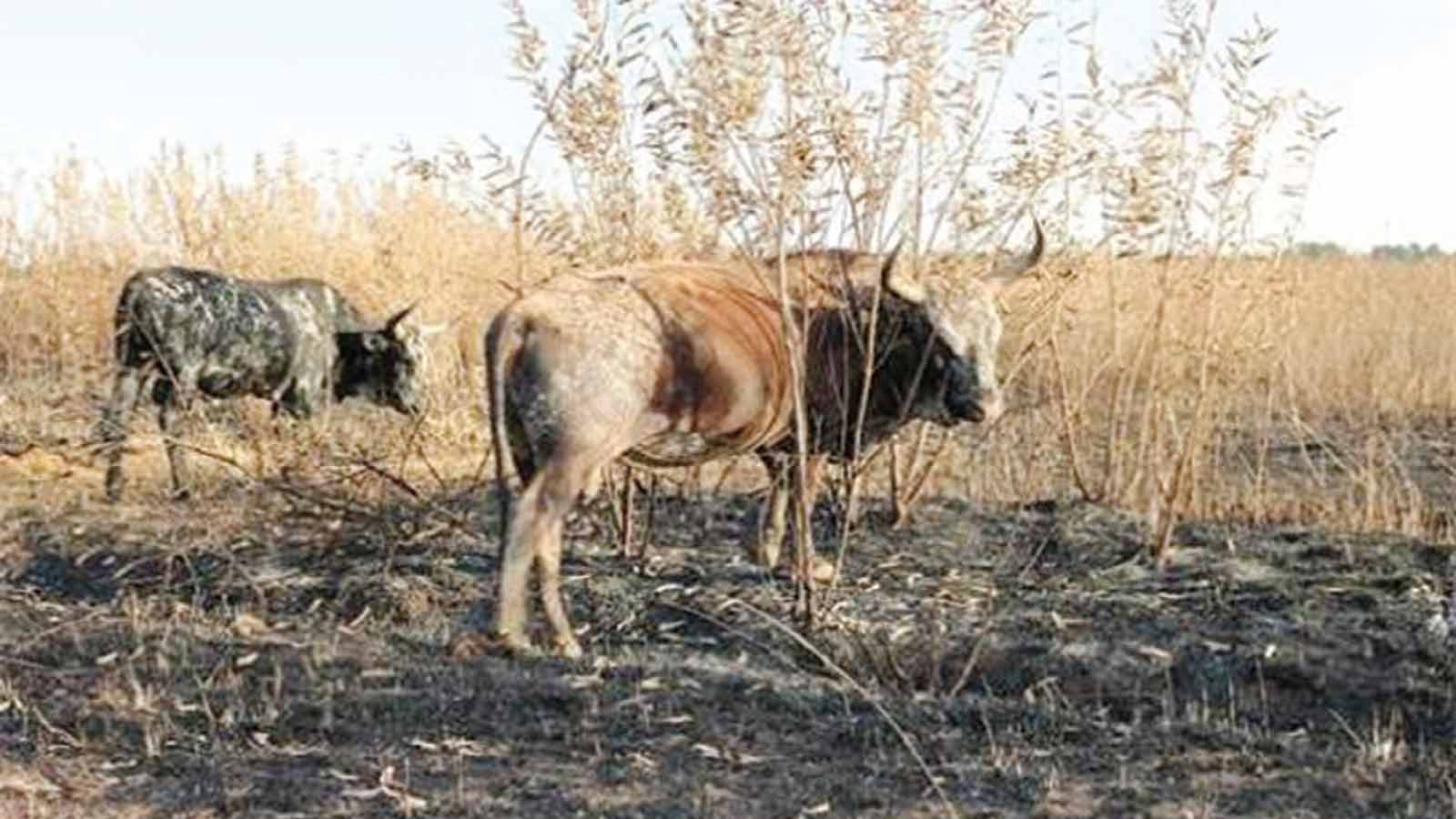
Word From The Market
Tina Nleya
As the dry season progresses, the threat of veld fires becomes increasingly serious for farmers.
During El Niño conditions, which are often associated with below-normal rainfall, high temperatures and prolonged dry spells, vegetation dries out rapidly, leaving large areas of grassland, crop residues and standing crops highly combustible.
For agriculture, a veld fire is not simply an environmental disaster; it is also a production and market risk.
A single uncontrolled fire can destroy grazing, crops awaiting harvest, fencing, farm infrastructure and stored inputs within hours.
The consequences can continue long after the flames have been extinguished through reduced livestock productivity, higher feed costs, lost crop income and weakened farmer participation in the market.
This is particularly important now as some wheat farmers have already started harvesting their crop. Mature wheat is highly vulnerable to fire, making preparedness during the harvesting period critical. Destroyed grazing means higher livestock production costs
For livestock farmers, natural grazing is one of the most valuable resources on the farm.
When veld fires destroy grazing, the farmer does not only lose grass; they effectively lose part of their livestock feed budget.
During dry conditions, natural pastures may already be under pressure. A veld fire can remove the remaining standing hay that cattle, goats and sheep depend on before the rains arrive.
The immediate result is a widening feed deficit. Farmers may then be forced to purchase hay, commercial feeds or crop residues, increasing the cost of maintaining their livestock. Where supplementary feed is unavailable or unaffordable, animals may lose body condition. This can affect weight gain, milk production, fertility and overall herd productivity.
The market implications are significant. A livestock farmer whose animals are losing condition may be forced to sell earlier than planned. Where several farmers in a fire-affected area are forced to sell livestock at the same time, the increased supply of animals can weaken the farmer’s bargaining position.
Conversely, shortages of feed such as hay and crop residues can push prices upwards as farmers compete for limited supplies.
Veld fires, therefore, have the potential to disrupt both the livestock market and the feed market. The important lesson is that protecting grazing is also protecting future livestock income.
Wheat farmers must remain particularly alert
The current wheat harvesting period introduces another area of risk. With some farmers already harvesting and others approaching maturity, fire prevention must become part of harvest management.
Dry wheat, stubble and crop residues can burn very quickly. Farmers should ensure that fireguards are maintained around fields and that harvesting machinery is serviced and kept free of accumulated dry material that may create a fire hazard.
Where the crop has reached the appropriate maturity and harvesting conditions are suitable, unnecessary delays can increase exposure to hazards such as fire, weather damage and quality deterioration.
Cooperation between neighbouring farmers is equally important because veld fires do not respect farm boundaries. Community-level preparedness, communication and properly maintained fireguards can prevent a small fire from becoming a major agricultural loss. Crop insurance should form part of risk management.
Veld fires also remind farmers why agricultural insurance should be viewed as part of the cost of production rather than an optional expense. A farmer can spend months financing land preparation, seed, fertiliser, chemicals, irrigation, labour and harvesting costs, only to lose the crop shortly before harvest.
For high-value crops such as irrigated wheat, such a loss can significantly affect the farmer’s ability to repay finance and fund the next production cycle. Farmers should, therefore, consider insuring crops against relevant risks, including fire where this is provided for under the selected insurance policy. It is important to understand exactly what a policy covers, the exclusions involved and the obligations that the farmer must meet.
Farmers should not wait until a fire occurs before checking their insurance documents.
Maintaining production records, photographs, input records and other evidence of the crop can also assist where a legitimate claim has to be submitted.
Insurance does not prevent a veld fire, but it can prevent a physical production loss from becoming a complete financial loss.
Prevention is cheaper than recovery
Farmers should maintain adequate fireguards, remove highly combustible material around important infrastructure, protect water points and feed reserves, and avoid activities that may ignite fires during hot, dry and windy conditions.
Livestock farmers should also have contingency feed plans. Hay, crop residues and other appropriate feed resources can provide an important buffer should grazing be damaged.
Where possible, farmers should avoid keeping all feed reserves in one exposed location.
Crop farmers, particularly those approaching harvest, should monitor fields regularly and maintain clear communication with neighbouring farms and workers.
Protecting the farm means protecting the market
Market-led farming is not only about identifying which crop or livestock enterprise has the strongest demand; it is also about protecting the productive assets that allow the farmer to supply that market. A wheat crop destroyed just before harvest represents grain that will never reach the buyer.
Burnt grazing can translate into cattle that take longer to reach market weight. Damaged infrastructure increases production costs, while forced livestock sales can reduce potential farmer returns.
Veld-fire management must, therefore, be understood as part of agricultural market risk management. The word from the market, then, is this: protect the crop before it reaches the buyer, protect grazing before it becomes livestock value, and protect the investment behind every production decision.
As wheat harvesting gathers momentum and dry-season fire risk remains high, preparedness, adequate insurance and good farm management can make the difference between securing a profitable season and losing months of investment within minutes.
Tina Nleya is AMA’s marketing and public relations manager. She can be contacted on email: [email protected]. Word From The Market is a column produced by AMA to promote market-driven production.