Online Reporter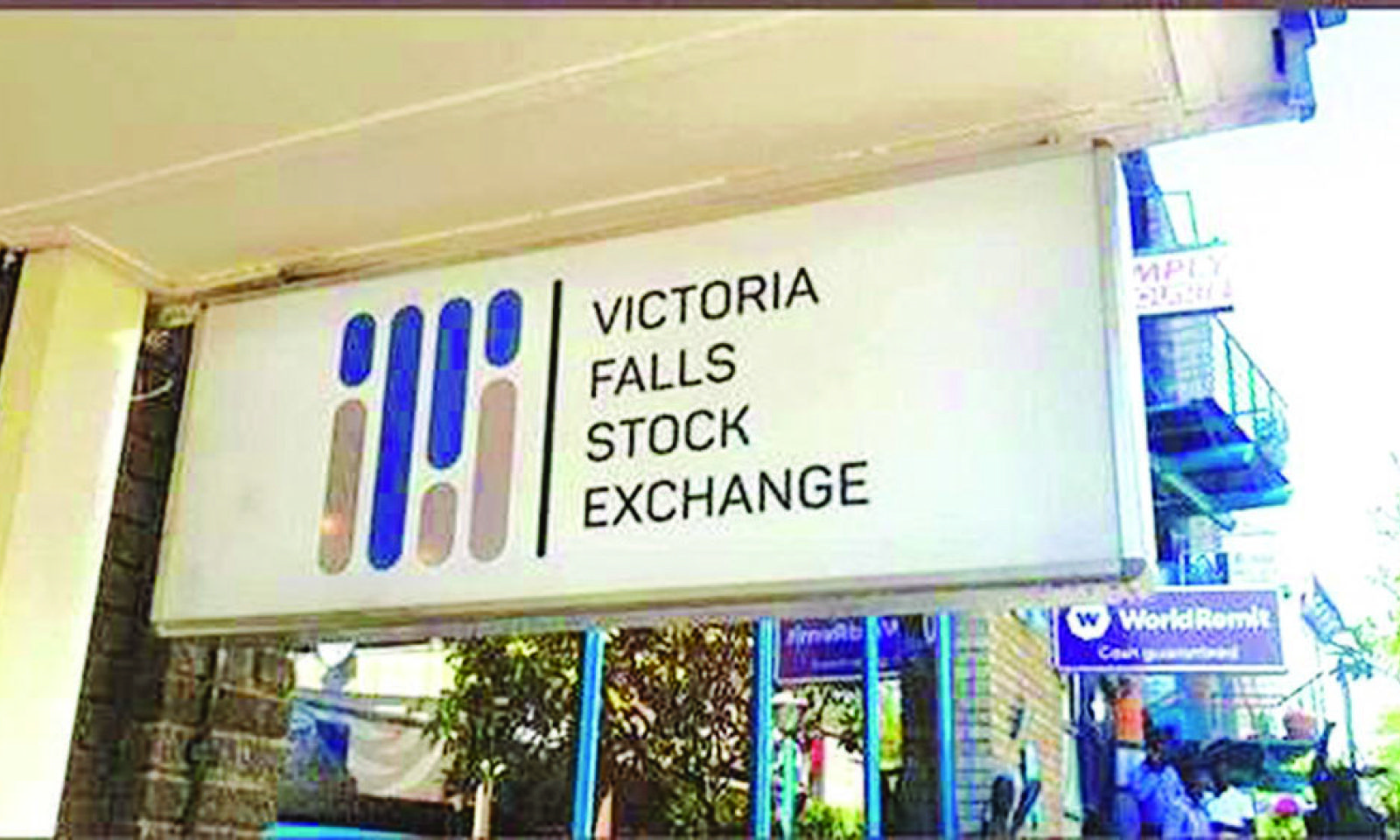
Business Reporter
THE Victoria Falls Stock Exchange (VFEX) has emerged as a beacon of success on Zimbabwe’s financial landscape, surpassing its performance targets for 2024 and setting ambitious goals for 2025.
According to recent data released by VFEX, the exchange experienced robust growth across key metrics, indicating a promising trajectory for both investors and listed companies.
In 2024, VFEX saw a remarkable surge in trading activity, with total market turnover soaring by an impressive 117 percent, rising from US$26,3 million in 2023 to US$57 million.This surge in turnover was complemented by a significant increase in market capitalisation, which rose by 6 percent to reach US$1,3 billion, up from US$1,2 billion the previous year.
In an interview with The Herald Finance and Business in December, Zimbabwe Stock Exchange (ZSE) chief executive officer Mr Justin Bgoni said VFEX was working on new products, among them the commodities exchange and the bond market.
“We are working with different key stakeholders to operationalise the project. An expression of interest was published inviting interested participants in different categories,” he said.
These include commodity-dealing companies, market makers, warehouse operators, clearing companies, warehouse persons and commodity dealers.
“The ZSE and VFEX are doing several initiatives to improve market activity, and these include product diversification through ETFs (exchange-traded funds), REITs (real estate investment trusts), CFDs (contracts for difference), depository receipts and commodities exchange,” Mr Bgoni said.
In 2025, he said, the focus for both VFEX and ZSE would be to increase listings and the migration of the settlement cycle to T+2.
The short forms T+1, T+2 and T+3 refer to the settlement dates of security transactions, which occur on a transaction date plus one day, plus two days and plus three days, respectively.
“We anticipate a migration of the settlement cycle to T+2, with a target date of Q2 2025, the revival of the debt market, and to promote financial inclusion by offering efficient ways of investing on the exchanges through applications such as ZSE Direct and VFEX Direct,” Mr Bgoni said.
Mr Tinomudaishe Dozva, a business consultant, praised VFEX’s performance, highlighting its resilience in a challenging economic environment marked by drought and other macroeconomic pressures.
“This was a commendable performance in a challenging environment in which the drought greatly affected the country’s economy,” noted Mr Dozva. “VFEX’s growth trajectory positions it to play a pivotal role in Zimbabwe’s and the region’s economies, facilitating capital raising in hard currency and supporting regional expansion for listed companies.”
The exchange’s success can be attributed to its strategic focus on attracting new listings, a goal underscored by VFEX’s ambition to add at least six new companies to its current roster of six listings in 2025.
VFEX is actively courting companies from diverse sectors such as mining, agriculture, tourism and technology, encouraging them to capitalise on the advantages of listing on a United States dollar-denominated exchange.
According to financial experts, listing on a USD-denominated bourse like VFEX offers significant advantages, including access to stable currency funding, which shields companies from local currency volatility and inflation risks.
This stability not only enhances investor confidence but also provides a robust platform for companies to fund expansion projects, both domestically and across the region.
“The USD denomination on VFEX provides a stable platform for companies to raise capital,” commented Ms Violet Moyo, a financial analyst specialising in African markets. “This stability is crucial for companies looking to attract international investors and expand their operations regionally.”
However, to sustain this growth momentum and attract more listings, experts emphasise the importance of supportive regulatory frameworks and incentives.
Effective regulation can enhance transparency, investor protection and market integrity, crucial elements for building trust and attracting both local and international investors.
“Regulatory clarity and investor protection measures are fundamental for the sustainable growth of VFEX,” noted Dr James Hore, an expert in financial regulation.
“Incentives such as tax breaks for listed companies and streamlined listing procedures can further encourage companies to choose VFEX as their listing destination.”
Looking ahead, VFEX’s ambitious targets for 2025 are not without challenges. The exchange will need to navigate geopolitical uncertainties, regulatory changes and global economic trends to maintain its growth trajectory.
Nevertheless, with its solid performance in 2024 and strategic initiatives to attract new listings and enhance regulatory frameworks, VFEX is poised to consolidate its position as a key player in Zimbabwe’s financial markets and a gateway for regional economic growth.
As VFEX continues to evolve, stakeholders are optimistic about its potential to drive economic transformation, foster innovation and create opportunities for sustainable development in Zimbabwe and beyond.
With supportive policies and a resilient market environment, VFEX stands ready to shape the future of finance in Southern Africa, offering a compelling case for investors and companies seeking a stable and dynamic capital market platform.