

 admin
admin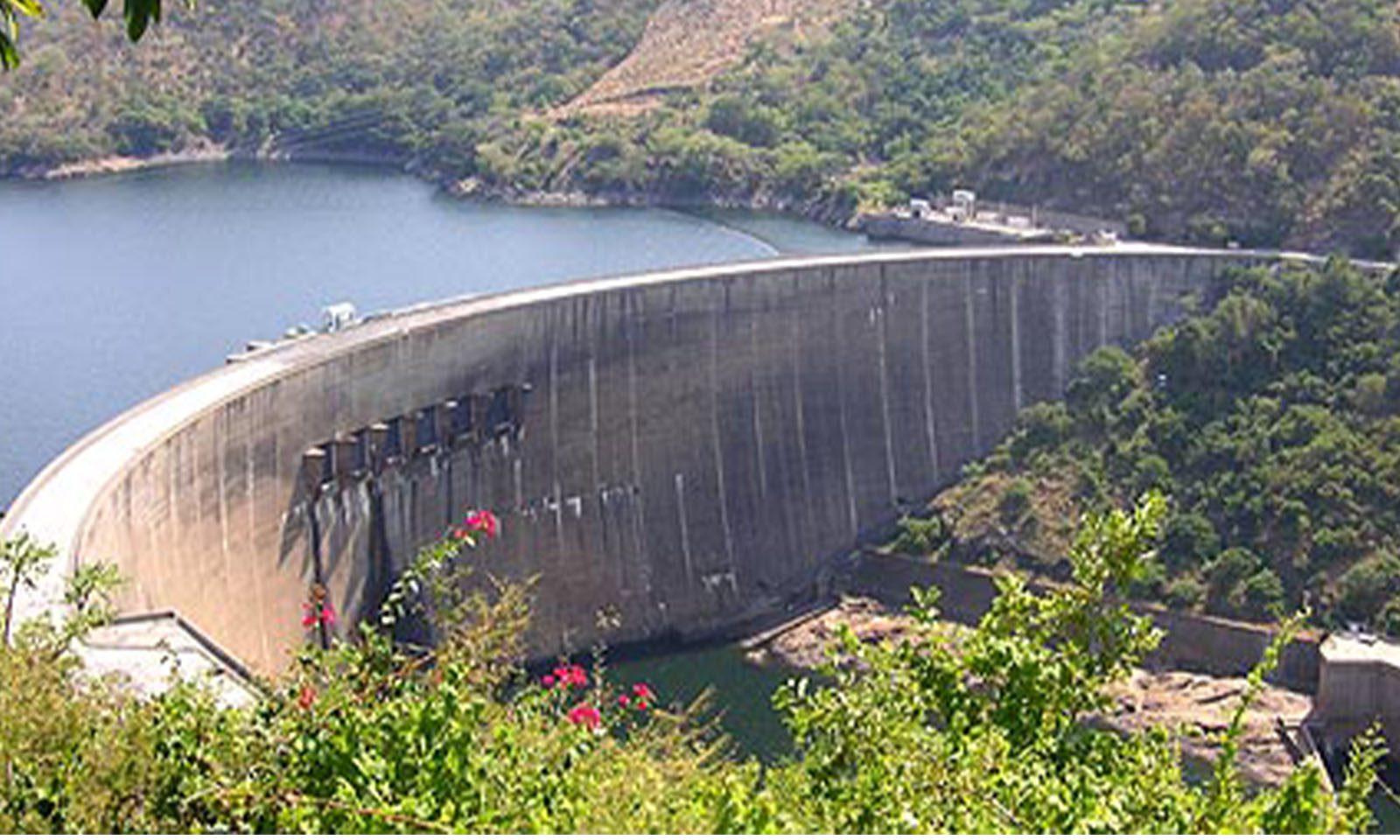
Business Reporter
Energy and Power Development Minister, Zhemu Soda, says Zimbabwe’s power situation remains “fragile” in the absence of an economic tariff regime, which continues pushing up “unproductive” demand and reckless use of electricity.
“The tariff has been severely eroded and what we now see is the rising demand of unproductive electricity especially by domestic customers,” Soda told Business Weekly. “Until there is restoration of a viable tariff, the situation will remain fragile.”
Electricity has become the cheapest energy for households over other sources such as gas, with an average household spending as little as US$10 for electricity per month.
The last power price review was in January 2022 when the Zimbabwe Energy Regulatory Authority (ZERA) increased electricity tariffs by 12,3 percent.
Families on pre-paid meters are buying 200 units per month for $1 265,11 (US$5 on the parallel market or US$9 at official rate) including the 6 percent rural electrification levy.
There are five bands of discounted tariffs before the full $14,31 a unit comes into effect on purchases over 400 units. The first 50 units cost $2,38 each, before the rural levy.
The 50 units are considered the bare minimum that a family needs for essential purposes.
Consumers on post-paid meters pay similar charges plus $35,68 monthly fixed charge.
The fixed charge covers the extra administration costs.
“We need a viable tariff and I understand that ZESA has applied for a tariff review and I want to believe the regulator (ZERA) is considering the application,” said Minister Soda.
Zimbabwe produces an average of 1 000 MW against a demand of 1 600 MW. It covers the domestic deficit through imports from Mozambique, South Africa and Zambia.
ZESA, the State-owned power utility continues having production challenges, particularly at the Hwange Power Station, the country’s second largest power plant whose generators are persistently out of service due to recurring breakdowns.
Zimbabwe has one hydroelectric plant — Kariba — with capacity to generate 1 050 megawatts (MW).
Two electricity generating units, with a capacity of 150 MW each were commissioned in 2018, making it the largest power plant in the country.
The country also has four coal fired power stations and Hwange, with capacity to generate 930 MW being the largest. There are other three small are Bulawayo, Munyati and Harare with a combined capacity of 231 MW.
The US$1,4 billion expansion of Hwange is ongoing and commercial production is expected to start towards the end of year for the first unit and first quarter of 2022 for another unit.
The power station is being expanded by China’s Sino Hydro to add another 600 MW.
The small power stations have not been generating mainly due to high costs of transporting coal to the power stations


 Online Reporter