Online Reporter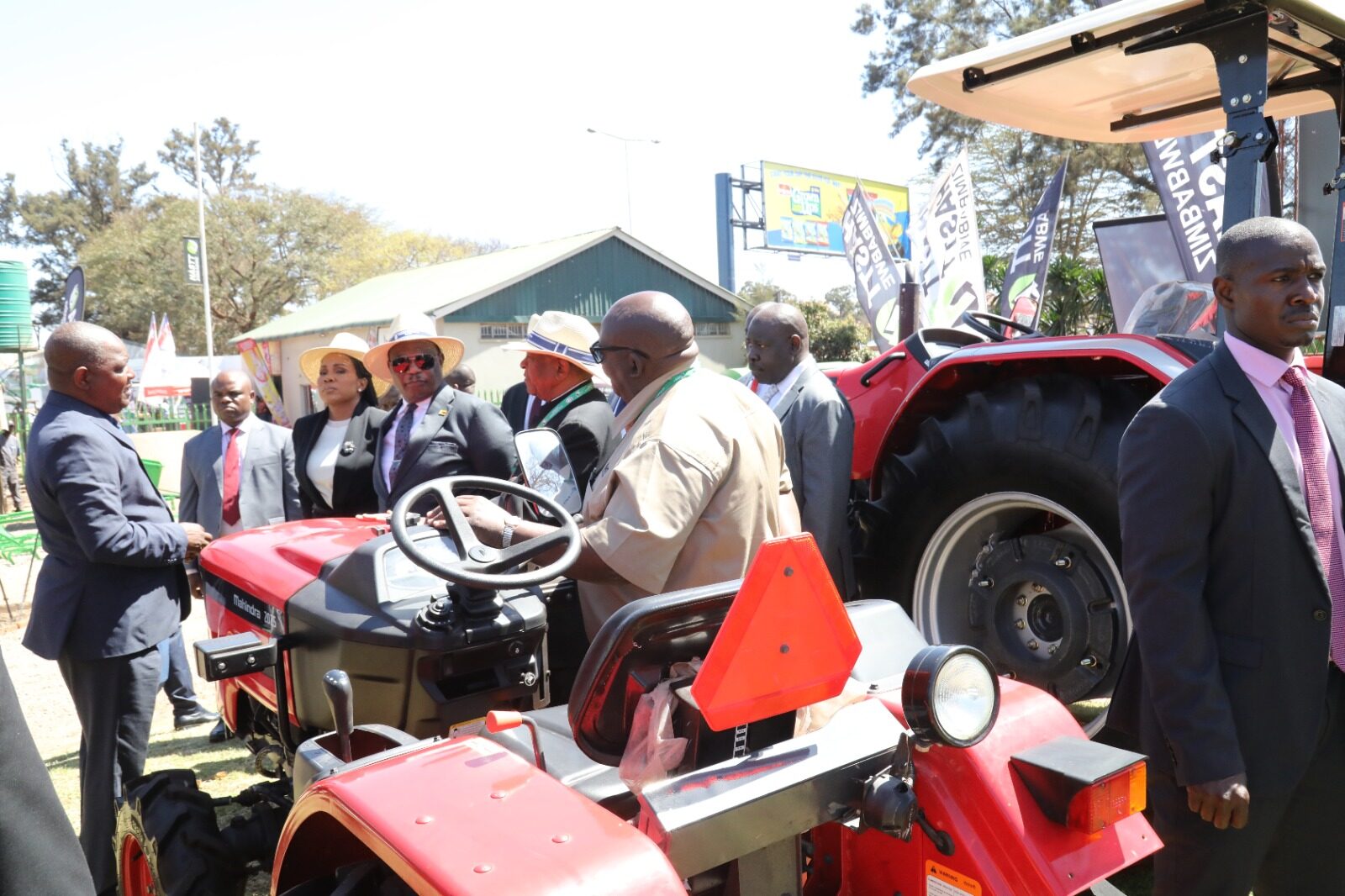
Selina Nyamangara
VICE President Dr Constantino Chiwenga has commended the growing level of innovation and industrial development on display at the 116th Zimbabwe Agricultural Show (ZAS), with particular praise reserved for efforts to expand local fertiliser production.
Accompanied by his wife, Colonel Dr Miniyothabo Chiwenga, the Vice President yesterday toured a number of exhibition stands, including those in the fertiliser, seed, livestock, mining, agricultural machinery and chemicals sectors.
He said Zimbabwe’s drive to produce more fertiliser locally was a positive development that would help guarantee the availability of critical agricultural inputs while strengthening the entire value chain.
“More importantly, I was impressed by the fertiliser sector; their thrust in trying to have all the fertilisers produced here in Zimbabwe,” he said.
Dr Chiwenga said increased local fertiliser production would benefit both seed producers and farmers by ensuring reliable access to the inputs required to boost productivity.
“What that does, it makes everyone now produce to the maximum,” he said.
He said expanding domestic fertiliser manufacturing capacity remained an important part of Government’s broader strategy to build a self-sufficient and productive agricultural sector.
“We want to develop this area of having our own fertiliser manufacturing capacity,” he said.
His remarks come five months after he toured several industrial companies, including local fertiliser manufacturing plants, to assess progress in expanding domestic production capacity ahead of the 2026/27 summer cropping season.
The Vice President also welcomed the development of new wheat and maize seed varieties, particularly short-season cultivars, saying they would help farmers cope with the challenges posed by changing weather conditions.
“I am quite happy with the new wheat variety and the maize variety; the short-season varieties, especially as we look into this year where we are expecting a Super El Nino,” he said.
Dr Chiwenga further toured the livestock section, where he commended improvements in breeding programmes, animal husbandry practices and technologies designed to support the growth of the national herd.
“We went to the animal section, the livestock section; they have a 50 percent, which means from the rural farmer to the commercial farmer, there is great improvement in that area. Now we want to see how we can sustain our livestock.”
He also praised locally developed agricultural innovations, including mobile deep tanks, saying such technologies had the potential to improve livestock management, particularly in rural communities.
The Vice President additionally welcomed the strong participation witnessed at this year’s exhibition, which featured 640 fully occupied stands and an increase in the number of foreign exhibitors.
He said the quality of displays had improved significantly compared to last year’s edition, reflecting continued growth, investment and innovation across Zimbabwe’s agricultural sector.
The 116th Zimbabwe Agricultural Show, which concludes today, has brought together local and international exhibitors to showcase new technologies, innovations and investment opportunities across the country’s agricultural value chain.