Online Reporter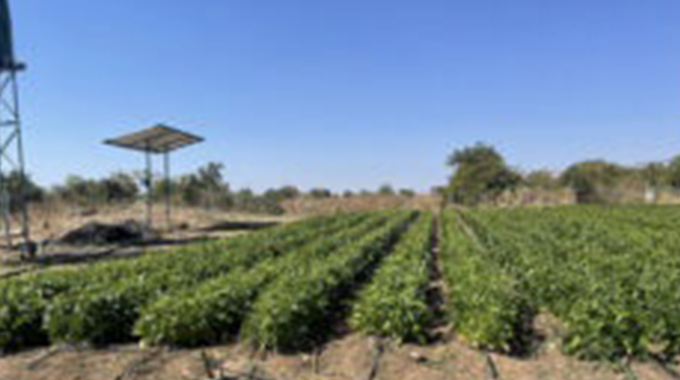
Thupeyo Muleya, Beitbridge Bureau
IN the dusty, sun-scorched fields of Lutumba area in Beitbridge District, Mrs Pulisani Muleya now walks past rows of green vegetables, glistening under the drip irrigation system powered by a solarised borehole.
Just a year ago, she says, her family’s meals depended entirely on produce from erratic rains and shrinking harvests.
“From the proceeds of our Village Business Unit, I have been able to pay school fees for my children and build a house. We now produce cash crops all year round, and life has truly changed,” she said with a smile.
Mrs Muleya is one of hundreds of women in Beitbridge whose fortunes have turned around, thanks to the Village Business Units (VBUs), community-run agricultural enterprises introduced by the Government under the Presidential Rural Development Programme.
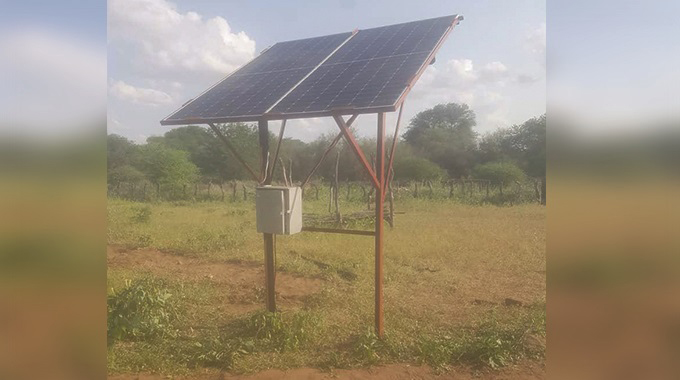
For years, climate change and drought have battered rural livelihoods in semi-arid districts like Beitbridge, making food insecurity a persistent threat. But the VBUs, which are equipped with solar-powered boreholes, drip irrigation systems, greenhouses, livestock facilities and sometimes fishponds, are enabling villagers to shift from subsistence farming to commercial production.
The result is steady food supplies, healthier diets and more money in pockets.
In Lutumba, Mr Tshamano Mudau, a traditional leader, says the difference is visible.
“Households are experiencing improved financial stability, enabling them to invest in education, healthcare and other essential needs. Women are taking the lead, and I encourage more men to join in,” he said.
The VBUs operate as shareholder-owned enterprises, meaning members both work in and benefit directly from the projects. The model nurtures teamwork, encourages innovation and allows communities to manage their resources sustainably.
Mrs Mpho Sibanda, secretary of the Soldiers of Hope VBU in Beitbridge East, said the initiative has been life-changing.
“We started this project in November last year with Government support. Besides selling to the market, we now have access to fresh vegetables all year, which has improved nutrition and health, among members,” she said.
Mrs Mazwipesa Ncube from Lutumba said their project has 179 beneficiaries, mostly elderly women.
“This is a good platform to learn from each other and we are getting increased agriculture extension services from the Government,” she said.
The VBUs also create jobs, from farm work to security services that protect produce and equipment. Youths, in particular, have found employment guarding nutrition gardens and maintaining irrigation systems.
Beitbridge Rural District Council acting chief executive officer Mr Peter Ncube, said the district has already established 55 VBUs across its 15 rural wards, with more planned as resources allow. Most members are women, who traditionally bear the brunt of food insecurity and household care.
“The programme promotes environmentally friendly practices, such as drip irrigation, to ensure sustainable agricultural productivity and minimise waste. We commend our President and Government for such a well thought-out initiative and we are now seeing the fruits on the ground,” he said.
Beitbridge RDC chairperson Councillor Oscar Chiromo, said VBUs have opened up markets for communal farmers, with surplus produce such as maize, beans, carrots and leafy vegetables in constant demand.
“The local authority will keep creating opportunities for communal farmers to increase production,” he said.
Deputy Information, Publicity and Broadcasting Services Minister Dr Omphile Marupi, who toured the projects recently, described the VBUs as a game changer.
“This is a game changer, it brings water to communities with boreholes being solarised and communal farmers are now putting land to proper use. We are happy to see that the communal farmers are taking this initiative seriously to change their lives at the household level,” said Dr Marupi.
“They have migrated from subsistence farming to market-led agricultural production. Issues of access to water for livestock and ordinary citizens have improved in most villages. The VBU is benefitting dozens of families,who are pooling resources together to commercialise agriculture.”
Dr Marupi said with the programme’s focus on drip irrigation and fishponds, communities are enjoying a steady supply of fresh produce and reducing import costs from other areas.
He said so far, a majority of households participating in the VBUs are generating substantial income and that the financial stability allows them to invest in their businesses, access credit and create job opportunities.
“These VBUs foster a sense of ownership and involvement, as beneficiaries are both shareholders and workers. This collaborative approach enables communities to manage and grow their businesses effectively,” said Dr Marupi.