admin
adminBulawayo Bureau
Villagers in Silobela are set to benefit from a newly-commissioned biogas digester established by the Zibagwe Rural District Council as part of efforts to protect the environment and counter the effects of climate change, along with other schemes for green energy such as tree planting, which can now also help generate income.
The model biogas project is at Wozoli Primary School in Ward 22 and was implemented in partnership with the Government and support from Gender-Links. The initiative is expected to be replicated in other wards within the district.
The biogas digester programme comes at a time when the rural authority has seen increased deforestation in rural communities, which sees more carbon emissions and less carbon capture.
Dubbed the ‘Go-Green, Go-Blue’ project, the development entails planting trees to grow forests and harvesting carbon credits for sale to industries that do have a larger carbon footprint. Carbon credits are a way that communities, through their efforts, can have a negative carbon footprint and can then sell that negative footprint.
The programme comes as a major relief to women and girls who are usually at the receiving end of the effects of climate change through hazards associated with walking long distances to fetch firewood.
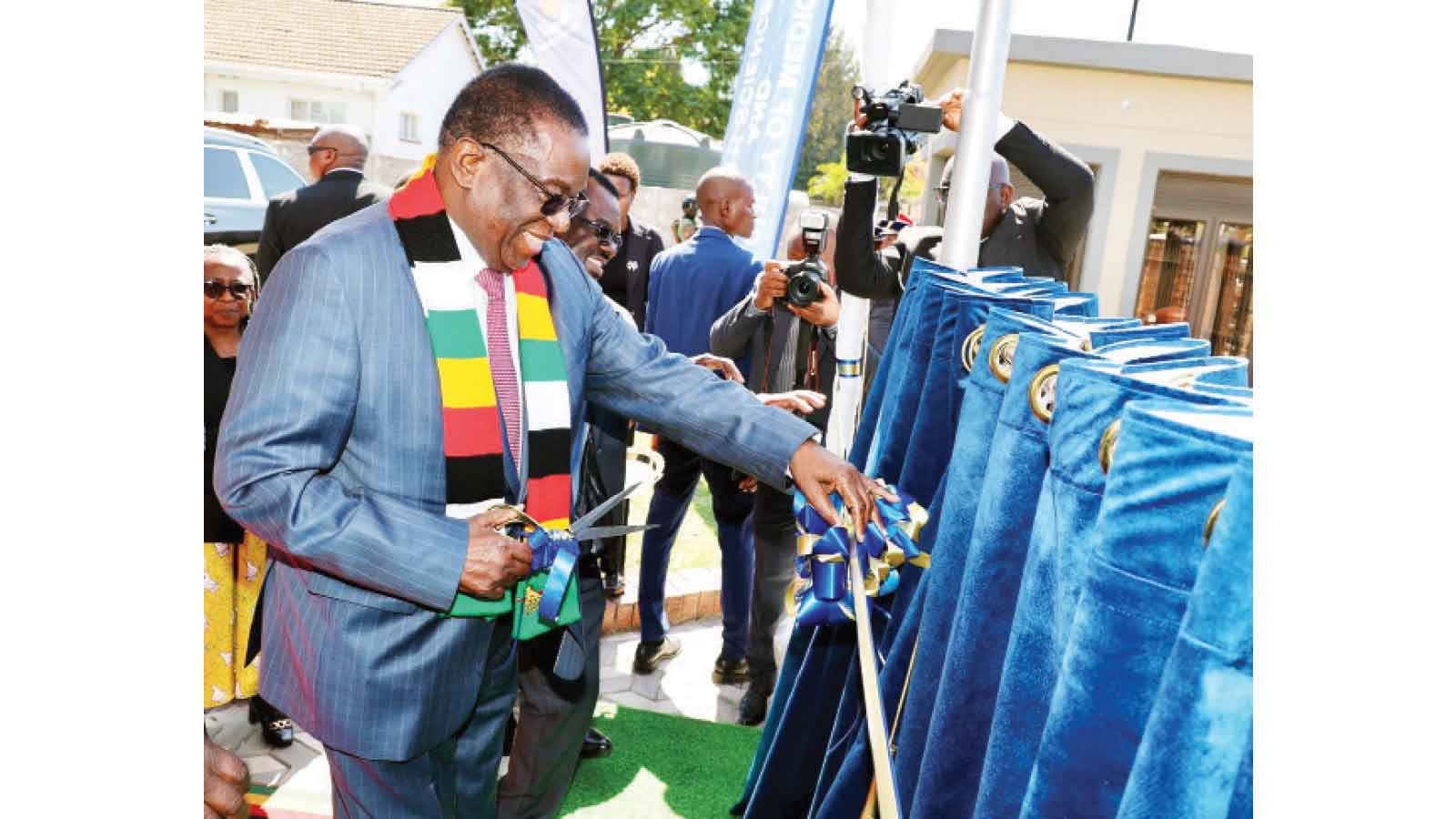
Speaking during the official launch of the project, Minister of Local Government and Public Works July Moyo said the Silobela programme should be used as a model for other wards.
“This is the first of its kind that we have done in partnership with Gender Links and we want it to be a model project where every other council will be emulating. This is in line with President Emmerson Mnangagwa’s vision of using locally available resources to solve challenges and we have brought electricity at absolutely no cost.
“Women do most of the chores and they meet a lot of things in their line of work. With this project, women will not travel distances to fetch firewood. It will also reduce deforestation and bring about the desired change that benefits women.”
The minister said the Government will continue drilling boreholes and installing solar-powered pumps to make sure that women do not travel long distances to fetch water.
“Now that we have solved the firewood challenges, I urge all councils to use devolution funds towards the drilling of boreholes so that women can get water without travelling long distances,” he said.
“As Government, we continue drilling boreholes under the Presidential borehole scheme but councils should also do their best to assist us in that regard.”
Minister Moyo said the proportional representation model was meant to have more women in councils so that they can be involved in making key decisions that tackle their challenges.
“We need more women in decision-making positions so that they can be able to formulate solutions to their challenges. This is why the president came up with proportional representation after noticing that women were not forthcoming in elections,” he said.
Gender Links regional manager, Ms Priscila Maphosa, said her organisation will continue supporting the Government in improving the lives of women and youths.
“We will continue working with the Government in promoting gender-sensitive projects to uplift the women and youths. This project is meant to promote clean energy and reduce cases of deforestation and gender-based violence associated with women as they go through their day-to-day chores,” she said.
Ms Maphosa said Zibagwe RDC was the first to introduce this project being undertaken under the theme: “Promoting Gender Inclusivity; promoting local economic development”.
She said all the 92 local authorities were doing projects, but Zibagwe RDC chose clean energy, which will be spread across other local authorities.
“They are being installed in places like schools, clinics, and community centres, which can be accessed by anyone from expecting mothers, girls, and youths, among others,” said Ms Maphosa.
“This is indeed an empowerment project meant to eradicate poverty as well as drug and substance abuse among other social ills.”
Communities are set to benefit more as proceeds from the sale of carbon credits would go directly to the participating villages who will be assisted by the council to venture into various socio-economic projects including road rehabilitation, construction of schools, clinics, procurement of ambulances, among other projects that the community will identify.



 Online Reporter