Chronicle Editor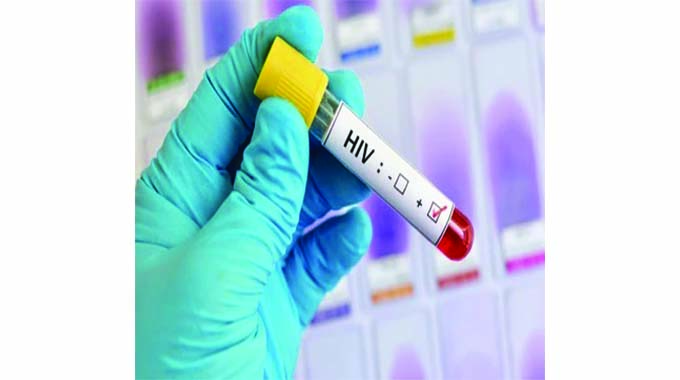
Thandeka Moyo-Ndlovu, Senior Health Reporter
ZIMBABWE has done well in battling HIV infections and deaths over the past decades, but a lot still needs to be done for the country to meet global targets of viral load suppression which remains low especially amongst children.
This is one of the emerging issues that came out during a United States President’s Emergency Plan for AIDS Relief (PEPFAR) country operational plan consultative meeting in Bulawayo yesterday. For the past 13 years, PEPFAR has been supporting Government in the fight against HIV, Tuberculosis and caring for the orphaned and vulnerable.
Statistics project that so far 91 percent of estimated persons living with HIV (PLHIV) in Zimbabwe are diagnosed, 86 percent are receiving antiretroviral therapy (ART) and 75 percent are virally suppressed. This is against a 95-95-95 global target where countries are expected to end Aids by 2030.
Speaking after the meeting on Thursday, Dr Donald Tobaiwa, who represents Zimbabwean civic organisations in engaging PEPFAR said the country, still had a way to go in achieving viral load suppression in children. He said the major challenge was turnaround time from the few laboratories and frequent stock out of supplies needed to conduct the blood tests.
“Overall viral load coverage continued to increase in different parts of the country last year but the rate remains under optimal levels due to commodity stock challenges. Paediatric viral load suppression improved in 2021, however the rate remains below adult rates,” he said.
“In the last quarter of last year, the rate stood at 55 percent compared to and gaps requiring a multi-year strategy and strong partnerships with the Government of Zimbabwe, Global Fund and others to mobilise and coordinate resources to address priority interventions.”
He said TB screening should be prioritised as well optimised as the screening of HIV-positive patients was consistently low. “The proportion of screen-positive patients has been consistently low, and based on official estimates, close to 60 percent of the estimated incident TB cases were undiagnosed last year among people living with HIV (PLHIV) supported by PEPFAR in Zimbabwe.
We therefore conduct such meetings so that responses by PEPFAR are driven by the needs and this ensures that we reach every affected person in the community,” said Dr Tobaiwa.
He said a number of children with HIV are yet to be diagnosed.
“We also have a number of gaps with regards to services relating to children specifically TB screening and paediatric ART. This means there are some children that are yet to be reached through our combined efforts to fight HIV with the Government,” he said. Dr Tobaiwa said addressing these issues would help the country meet its target of ending Aids in 2030.
“We need to achieve undetectable levels for PLHIV and ensure that our public facilities have adequate resources to facilitate a quick turnaround time so that everyone is monitored. We have received reports where patients sometimes wait for more than a week for results which is likely to affect our third 95 target of ensuring we achieve maximum viral load suppression,” he added.
Zimbabwe is among top countries in the world which have halved Aids-related deaths in the past three decades and was also recently removed from the list of 30 TB highly burdened countries worldwide.The country has also managed to fight malaria and TB through its programming as shown by a decrease in new cases and deaths.–@thamamoe



 Online Reporter