Online Reporter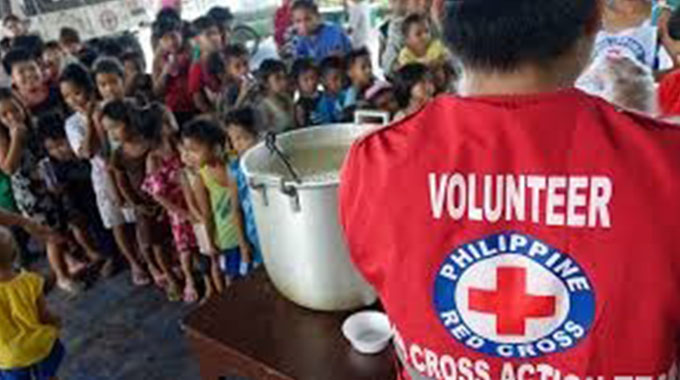
Cliff Chiduku, [email protected]
In today’s highly competitive job market, obtaining employment is no longer determined solely by academic qualifications.
Employers are increasingly looking for individuals who possess practical experience, soft skills, adaptability and a demonstrated ability to work in real-world environments.
Unfortunately, young professionals find themselves trapped in a frustrating cycle: they need experience to secure a job, yet they need a job to gain experience.
Amid this dilemma, one often-overlooked pathway offers a solution — volunteerism.
Volunteerism is commonly associated with charity work, community service and non-profit organisations. While these are important aspects of volunteering, its value extends far beyond giving back to society.
Volunteerism can serve as a powerful stepping stone to employment, professional growth and personal development. For many young graduates entering the labour market, it can unlock opportunities that might otherwise remain out of reach.
One of the greatest advantages of volunteerism is the opportunity to gain practical experience.
Employers frequently seek candidates who can demonstrate that they have applied their knowledge in real-life situations. While academic institutions provide theoretical foundations, volunteering enables individuals to develop and refine practical skills.
Whether one is assisting with project management, communication campaigns, data collection, event coordination or community outreach, volunteering provides exposure to workplace realities that employers value.
In many cases, volunteers are entrusted with meaningful responsibilities that help them build confidence and competence. These experiences can strengthen a curriculum vitae and provide concrete examples to discuss during job interviews.
A graduate who has volunteered for six months may be more attractive to employers than one who has remained inactive while waiting for a paid position.
Volunteerism also offers an invaluable platform for networking. It is often said that opportunities come through people, and volunteering creates numerous chances to meet professionals, industry leaders and potential employers.
Through these interactions, volunteers can establish relationships that may later lead to employment opportunities, mentorship or professional referrals.
Many organisations prefer recruiting individuals they already know and trust. A volunteer who consistently demonstrates commitment, professionalism and a positive attitude is often well-positioned when vacancies arise.
In some cases, volunteer positions have evolved directly into full-time employment opportunities. Employers are more likely to hire someone whose capabilities they have already witnessed first-hand.
Beyond professional networking, volunteerism helps individuals develop critical soft skills that are increasingly sought after in today’s workplace.
Communication, teamwork, leadership, problem-solving and adaptability are among the most valued competencies across industries. These skills are not always effectively developed in classroom settings but are frequently cultivated through volunteer experiences.
For example, organising a community event requires planning, collaboration and leadership. Assisting vulnerable populations demands empathy, communication and interpersonal skills.
Participating in environmental conservation projects can foster teamwork and project management abilities. Such experiences help individuals become well-rounded professionals capable of thriving in diverse work environments.
Volunteerism can also assist individuals in discovering their passions and career interests. Many young people complete their studies without a clear understanding of the specific career path they wish to pursue.
By volunteering in different sectors, they gain exposure to various professions and organisational cultures. This allows them to make informed decisions about their future careers while avoiding costly mistakes associated with pursuing unsuitable occupations.
Furthermore, volunteerism demonstrates initiative and a strong work ethic. Employers are often impressed by candidates who use their time productively rather than remaining idle while searching for employment.
Volunteering sends a powerful message that an individual is proactive, willing to learn and committed to personal growth. It reflects resilience and determination —qualities that employers value highly.
In this era, volunteerism can play an especially important role. Non-governmental organisations, community-based organisations, educational institutions and development agencies frequently rely on volunteers to support their programmes. These organisations provide platforms where young people can acquire experience, develop skills and contribute meaningfully to society.
However, volunteerism should not be viewed merely as a means to an end. While it can certainly enhance employability, it also contributes to broader societal development. Volunteers support communities, strengthen social cohesion and help address pressing social, environmental and economic challenges. In this way, volunteerism creates value for both the individual and society.
Governments, educational institutions and employers should therefore encourage a culture of volunteerism among young people. Universities and colleges are now integrating volunteer programmes into student development initiatives. Employers can recognise volunteer experience as a legitimate form of work experience. Communities can create more opportunities for citizens to contribute their skills and time to worthwhile causes.
As the world of work continues to evolve, traditional pathways to employment are becoming increasingly uncertain.
Young people must therefore embrace innovative ways of building experience and demonstrating their value. Volunteerism provides a practical and accessible avenue for achieving these goals.
Ultimately, volunteerism is more than an act of service; it is an investment in one’s future. It equips individuals with experience, skills, networks and confidence while creating positive change in communities. For those seeking to break into competitive industries, gain valuable experience or discover new opportunities, volunteerism may well be the key that unlocks the door to success.
*Cliff Chiduku is the director of marketing and public relations at Lupane State University. For feedback, email [email protected]