malvernmugadzikwa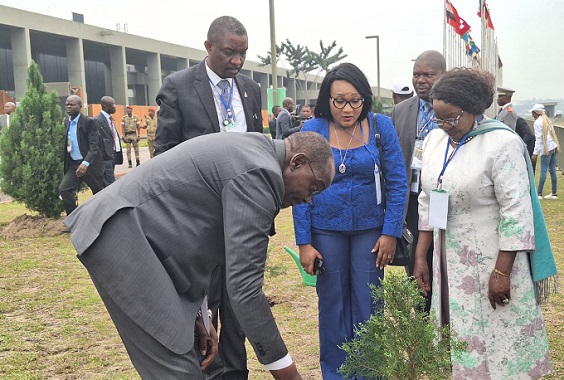
Africa Moyo in BRAZZAVILLE, Congo
AFRICAN countries should forge a united front in the fight against the devastating effects of climate change, which have been marked by increased frequency of extreme weather events such as heatwaves, droughts and floods, Vice President Kembo Mohadi has said.
In an interview on Friday at the end of the first International Conference on Afforestation and Reforestation held here from July 2 to 5, VP Mohadi said humanity was facing an “existential threat”, which requires cooperation to tackle it.
“As African leaders, we are committed to fighting climate change. Climate change is affecting mainly the developing countries, so this initiative that has come from the African states to fight climate change through afforestation and reforestation is a noble initiative, which we must all embrace,” he said.
In a presentation during a closed-door session for Heads of State and Government, VP Mohadi said the conference had come at a time when mankind was bearing the brunt of the effects of climate change.
He said countries in Southern Africa and South Asia have been increasingly affected by cyclones, heatwaves and floods due to climate change.
“My country, Zimbabwe, has declared a State of Disaster as it is not being spared from this weather phenomenon in the world.
“As I speak right now, the whole region of Southern Africa is facing a severe drought due to the El Niño weather occurrences,” he said.
“It is tragic that although countries in the southern region are accounting for a negligible contribution to global warming, they are most impacted by this change in weather patterns.
“We, therefore, call upon the developed world to live up to their commitments to give financial support to developing countries to meet their climate obligations.”
Wealthy nations have pledged to release about US$100 billion to developing countries for climate adaptation and mitigation, but the money is yet to be provided.
While developed countries agreed during COP27 in Egypt to the Loss and Damage Fund aimed at helping poor countries affected by floods and cyclones to build back better, there is still haggling over how to operationalise the facility.
VP Mohadi said Zimbabwe had instituted an afforestation levy dedicated to tree planting.
The Government has also designated the first Saturday of every December as the National Tree Planting Day, during which the nation is mobilised to plant more trees, particularly indigenous ones, he said.
“We, therefore, applaud the government of the Republic of Congo for hosting
this auspicious conference at this
juncture in the lives of humanity,” added VP Mohadi.
In his address while officially opening the conference on Friday, Congolese President Denis Sassou Nguesso said forests were important, not just for timber, but also for the survival of mankind.
He said forests helped prevent soil erosion, landslides and floods, while also providing society with medicine and being sources of food for animals and humans.
Two-thirds of Congo is covered by forests, which are well-preserved.
Since 1986, Congo has been observing November 6 as National Tree Planting Day and a national holiday on which all the country’s citizens are called upon to plant at least one tree.
In February last year, Congo proposed the launch of an African and World Decade on Afforestation during the African Union Summit as a response to accelerating climate change.
President Nguesso said there was a need to carry that plan to the United Nations General Assembly this year.



 Online Reporter