Chronicle Editor
Sukulwenkosi Dube-Matutu, [email protected]
VICE PRESIDENT Kembo Mohadi has urged the private sector and development partners to support Government initiatives aimed at sustaining livestock in Zimbabwe as the country grapples with an El Niño-induced drought.
The adverse weather conditions have severely impacted water and feed resources, threatening the survival of livestock and the livelihoods of farmers.
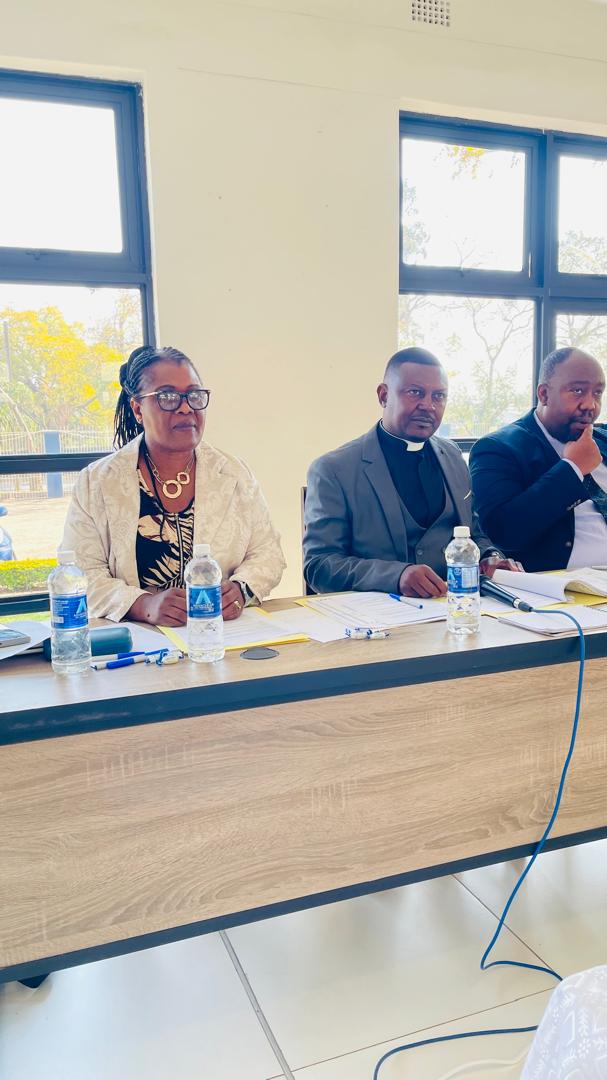
Speaking during the commissioning of the livestock drought mitigation strategies and village business unit model programme in Garanyemba, Gwanda District recently, VP Mohadi emphasised the importance of collaborative efforts to mitigate the effects of the drought.
Government has introduced several measures, including the provision of supplementary feeding, water harvesting projects, the establishment of fodder banks to ensure the survival of livestock, rangeland management, animal health management, early warning systems, livestock insurance and capacity building.
VP Mohadi said there is a critical need for a unified approach to address the challenges posed by climate change and ensure the sustainability of the agricultural sector, which is vital to Zimbabwe’s economy and food security.
“I call upon the private sector, development partners and NGOs to support these Government initiatives to ensure the survival of livestock in the country through this difficult time. Implementing forage preservation techniques such as hay baling, silage production, growing drought-tolerant forage and fodder crops to ensure that livestock have access to feed during lean seasons,” he said.
“We need a comprehensive approach that involves the provision of water for livestock use, livestock nutrition management, livestock diversification, early warning systems, livestock insurance, capacity building and community collaboration.”
VP Mohadi said Government remains grateful for the support and expertise of its partners in achieving national goals.
He said Government will ensure that such intervention strategies are rolled out across all districts in the country as a practical response by the Second Republic to ensure that no one and no place will be left behind.
VP Mohadi said proper management of grazing land is critical to ensure that there is enough forage available for livestock during drought.
“Supplementary feeding strategies have been put in place by Government such as hay baling, survival feeding and urea treatment or low-quality roughages, among others. Promoting livestock insurance schemes can provide financial protection to farmers in the event of livestock losses due to drought,” he said.
The Vice-President said there is a need for collaboration between farmers, local authorities and relevant stakeholders to foster resilience and sharing of resources and information during droughts.
“Developing and implementing early warning systems for drought can help farmers prepare in advance and take necessary measures to protect their livestock. Effective animal health management during droughts is crucial to prevent disease and mortality,” he said.
“Developing water management systems such as water troughs for livestock, borehole drilling, dam construction and water catchment techniques is important. This intervention is crucial as our country’s economy is anchored on agriculture with over 60 percent of the rural population dependent on it as a source of livelihood.”
VP Mohadi said it is important for stakeholders to join hands with the Government in ensuring that these resources are available for livestock.
Government launched the livestock drought mitigation programme as part of its efforts to mitigate the impact of drought on the country’s livestock sector.
The programme will see drought mitigation centres being established in all 1 620 rural wards in the country. The centres will house solar-powered boreholes, nutrition gardens, livestock feeding troughs, livestock water troughs, supplementary feeding troughs and livestock sales centres being constructed in each drought mitigation centre.
Garanyemba Ward has been selected to pilot the programme. Over 9 000 cattle were lost countrywide during the livestock lean season of 2023 with Matabeleland South province recording 4 873 cattle deaths.


 Online Reporter