Theseus Mauruki Shambare in MBIRE
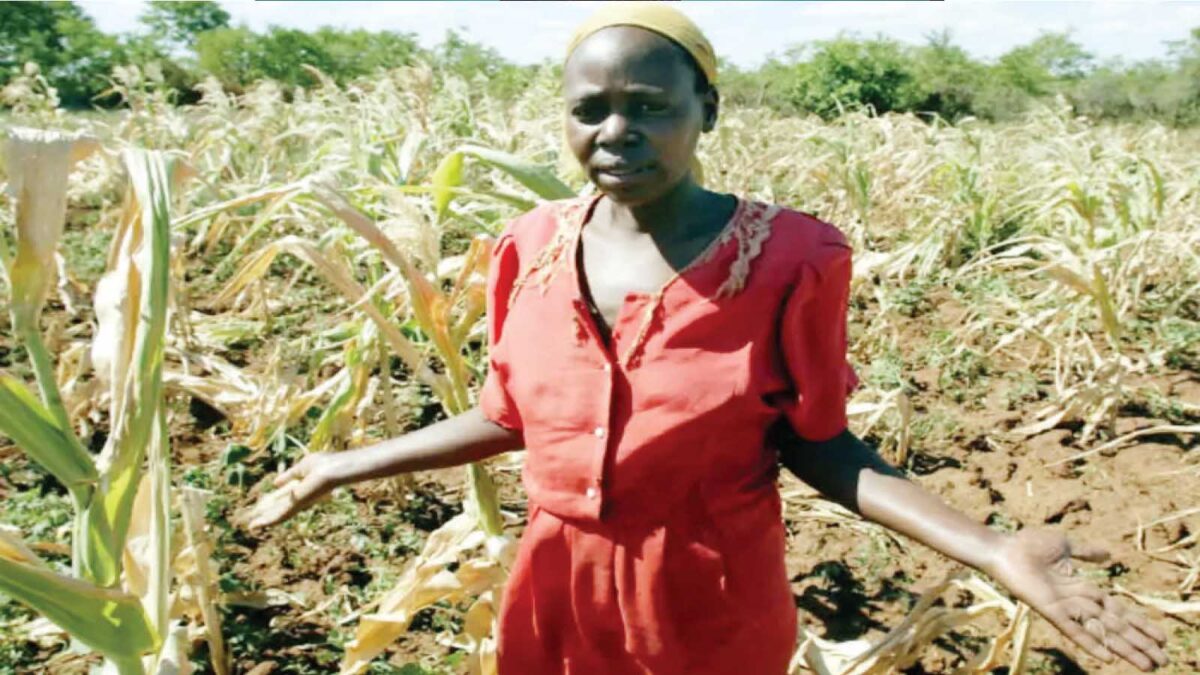
A €500 000 drought preparedness project is strengthening the capacity of vulnerable communities in Mashonaland Central to withstand the anticipated El Niño-induced dry conditions during the 2026/27 agricultural season.
The initiative has offered renewed hope to households still recovering from previous drought losses.
The Water and Agriculture Humanitarian Anticipatory Action (WAHAFA) programme, led by Welthungerhilfe (WHH), is targeting approximately 15 000 households, representing 70 500 people, across Mbire, Mt Darwin and Rushinga districts.
In Mbire, the programme covers wards 1, 3, 5, 12 and 16, while in Mt Darwin it targets wards 3, 4, 10 and 37. In Rushinga, the intervention covers wards 3, 11, 20, 22 and 25.
The programme’s interventions, which include livestock supplementary feeding and improved water provision, came under the spotlight during a media tour of Mbire to assess how completed projects and those currently underway could help communities prepare for the anticipated season.
WHH anticipatory action project field officer, Mr John Tapedza, said the programme had two main components — livestock support and water provision — with the latter catering for both people and animals.
“What we are doing here in Mbire is an initiative towards an anticipated El Niño, which was predicted. We are coming here with two main components, which are livestock support and water provision. The water provision will cater for livestock and human beings as well,” he said.
Mr Tapedza said a sand-abstraction piped water scheme was being constructed at Musengezi in Ward 5, where conventional boreholes often dry up because of limited underground water. The scheme is expected to supply Musengezi Primary School, a secondary school, a clinic, two dip tanks and surrounding communities.
He said the pipeline was expected to cover approximately 18 kilometres.
On livestock support, Mr Tapedza said Mbire was targeting the preparation of approximately 90 tonnes of urea-treated stover, with farmers receiving training and some households being provided with ingredients to prepare supplementary feed from crop residues.
“In anticipatory action, we act before the disaster manifests for the purposes of creating shock absorbers to the communities,” he said.
The programme is also promoting women’s participation in community water management, with WHH aiming to have at least four women on each seven-member water point committee and encouraging women to take up chairperson positions.
Tapedza said women were also participating in livestock feed preparation, including in female-headed households.
For 56-year-old Albert Chidyambwizhu of Chidodo Village in Mbire, the preparations offer an opportunity to avoid repeating the devastating experience of losing livestock during previous droughts.
He lost seven cattle to hunger and currently has 10 animals, which he hopes to protect through early preparation.
“I lost seven beasts to hunger. It was a painful experience because cattle are not just animals to us. ‘They represent our wealth, our hard work, our security and our ability to provide for our families,” he said.
“This time, we want to do things differently. Last year, drought took seven of my cattle. This year, I am preparing early because I do not want hunger to take the rest,” he said.
Mbire Agricultural Business Advisory Officer, Ms Edith Dutiro, said farmers were being trained to prepare urea-treated stover using residues from crops such as maize, sorghum, groundnuts and pearl millet.
“We encourage farmers in Mbire to prepare this feed, especially this year as we are facing drought,” she said.
Ward 5 veterinary officer Mr Martin Edwin Mushipe said livestock protection also requires disease prevention and control measures.
“Our work is centred around three main pillars: disease control, disease prevention, and disease eradication,” he said.
WAHAFA is being implemented with Mvuramanzi Trust and the Farm Community Trust of Zimbabwe from August to November 2026. The programme uses forecast information and community assessments to support early interventions before drought impacts become severe. For communities that have previously experienced livestock losses and water shortages, the project’s early interventions offer a measure of peace of mind as they prepare for the season ahead.