

 admin
admin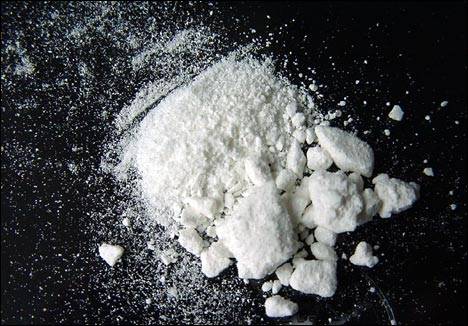
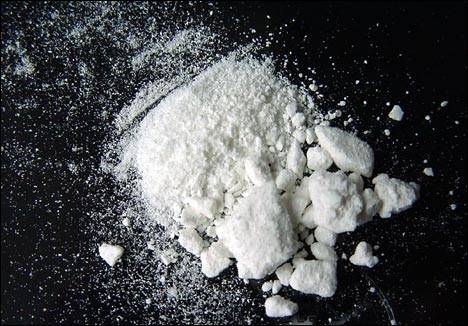 DAMASCUS. — Syria has become a major amphetamines exporter and consumer as the trauma of the country’s brutal civil war fuels demand and the breakdown in order creates opportunity for producers. Drugs experts, traders and local activists say Syrian production of the most popular of the stimulants, known by its former brand name Captagon, accelerated in 2013, outpacing production in other countries in the region such as Lebanon.
Reports of seizures and interviews with people connected to the trade suggest it generates hundreds of millions of dollars in annual revenues in Syria, potentially providing funding for weapons, while the drug itself helps combatants dig in for long, grueling battles.
Most other economic activity in Syria has ground to a halt in the past two years due to the violence, shortages and international sanctions.
Consumption of Captagon outside the Middle East is negligible, according to the UN Office on Drugs and Crime (UNODC), but it is a significant drug in the Arab Gulf, and nascent markets were detected in North Africa last year.
Sitting at a crossroads in the Middle East, Syria has long been a transit point for drugs coming from Europe, Turkey and Lebanon and destined for Jordan, Iraq and the Gulf.
The breakdown of state infrastructure, weakening of borders and proliferation of armed groups during the nearly three-year battle for control of Syria has transformed the country from a stopover into a major production site.
Even before the conflict, Saudi Arabia received about seven metric tons of Captagon in 2010, a third of world supply, according to UNODC figures.
A member of a prominent drug trading family in Lebanon’s Bekaa Valley, where much of that country’s drug production and smuggling takes place, told Reuters that demand from the Gulf kingdom had increased since then, and Kuwait and the United Arab Emirates were also big consumers.
The trader said production in Lebanon fell 90 percent in 2013 from two years earlier, and wholly attributed the drop to a shift in production to Syria. He said some production might also have moved to Syria from Turkey during the past year.
Khabib Ammar, a Damascus-based media activist, said Syrian fighters involved with the drugs trade were buying weapons with the money they made, though Reuters could not independently verify claims that Captagon profits were being used to fund either side of the conflict.
Syrian government forces and rebel groups each say the other uses Captagon to endure protracted engagements without sleep, while clinicians say ordinary Syrians are increasingly experimenting with the pills, which sell for between US$5 and US$20.
The drug was first produced in the West in the 1960s to treat hyperactivity, narcolepsy and depression, but by the 1980s was banned in most countries because of its addictive properties and no longer has a legitimate medical use. Its active ingredient, fenethylline, is metabolised by the body into the stimulants amphetamine and theophylline.
Lebanese psychiatrist Ramzi Haddad said the drug had the typical effects of a stimulant. “It gives you a kind of euphoria. You’re talkative, you don’t sleep, you don’t eat, you’re energetic,” he said. — Reuters.


 Online Reporter