Chronicle Editor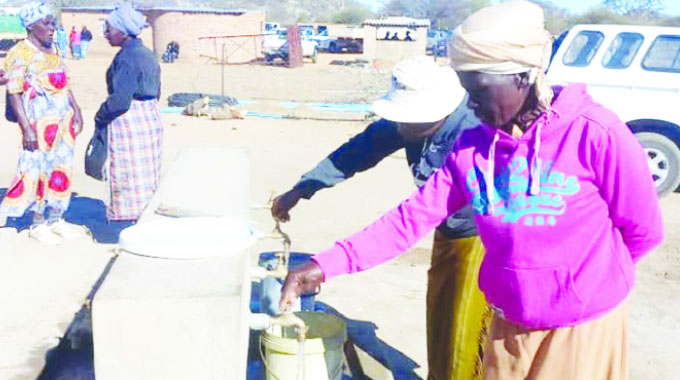
Judith Phiri, Business Reporter
THE establishment of 1 620 ward drought mitigation centres across the country in response to the impacts of the El Nino-induced drought is a crucial step towards enhancing community resilience and safeguarding the national herd.
Ward drought mitigation centres offer comprehensive services covering livestock health and nutrition, ensuring water and supplementary feed are available for at-risk animals and addressing health concerns. The centres will also act as auction centres for livestock.
The Government has reaffirmed its commitment to ensure the project will be implemented timeously so that communities are cushioned against the effects of the El Nino-induced drought.
In a recent interview, Lands, Agriculture, Fisheries, Water and Rural Development Deputy Minister Vangelis Haritatos said the purpose of the centres was to eliminate livestock poverty deaths.
“We have identified 1 620 wards and every ward will have a drought mitigation centre. The purpose of this is we are trying to eliminate any livestock poverty deaths and ensure that our cattle have the right nutrition,” he said.
“As you know we have come out of an El Nino so this is a fundamental component for us to ensure that our livestock is kept well and our people can continue looking after all the livestock they have.”
He said the ward drought mitigation centres were part and parcel of bringing water to the communities and ensuring that there are water troughs for livestock, a development that positively contributes to the Livestock Recovery and Growth Plan.
Deputy Minister Haritatos said they have stepped up efforts to ensure all the centres are finished as soon as possible.
“Finances are going to be a limitation to what we are doing but we believe that we should be able to do this in quite a short period.
We have borehole rigs, for example, which is the fundamental component of the ward drought mitigation centres, so we believe that by the end of the year we should be able to complete most of them if not all with financing in place,” he said.
The Deputy Minister said they have also embarked on hay baling programmes and with wheat harvesting expected in a few weeks, wheat straws will also be utilised for livestock feed formulation.
“There are many things that we are doing to be able to limit the damage and liabilities on our farmers because we are there for them and we will continue this until they are safe into the new season,” he said.
Wheat straws are said to be very good and nutritious when used as supplementary feed for beef in pen-fattening and dairy animals. They are also essential for haymaking and can be stored for a long period before deterioration.
Deputy Minister Haritatos said the Government has also secured 15 000 tonnes of silage, molasses, and 8 800 tonnes of maize unfit for human consumption for distribution at the centres for livestock.
Garanyemba area in Gwanda, Matabeleland South was selected to pilot the livestock drought mitigation strategies and village business unit model programme which will replicated in all rural wards across the country to protect communities against the effects of the El Nino-induced drought under the Rural Development 8.0 programme.



 derick.khumalo