Online Reporter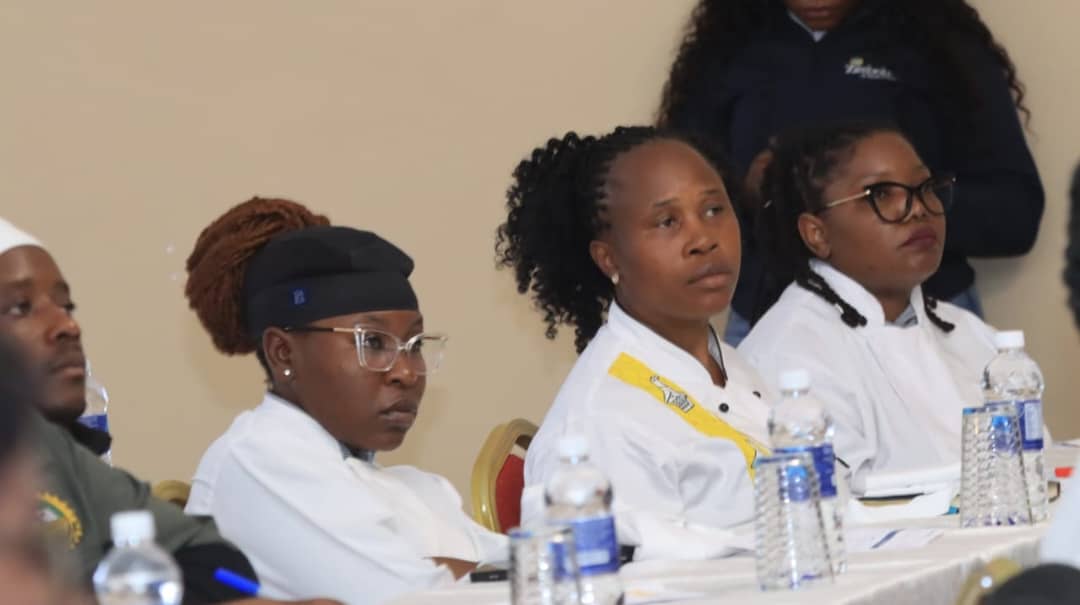
Nqobile Bhebhe in Masvingo
About 100 chefs from across Zimbabwe have converged in Masvingo for a Gastronomy Masterclass as the country steps up efforts to transform its rich culinary heritage into a commercially viable tourism cluster.
The masterclass, being held under the Sanganai/Hlanganani/Dzimbahwe Tourism Expo, brings together chefs, culinary experts, hospitality practitioners, farmers, food entrepreneurs, academics, students and other players across the gastronomy value chain.

Chief Director in the Tourism and Hospitality Industry Tarirai Musonza said the initiative builds on the momentum generated by Zimbabwe’s successful hosting of the First UN Tourism Regional Forum on Gastronomy Tourism for Africa in Victoria Falls in 2024.
“So the reason why we are here at Sanganai Hlanganani Dzimbahwe Tourism Expo Gastronomy Masterclass is to make sure that we have all the chefs from across the country, we have about 100 of them, from across the country.

“They are here to share experiences, to be taught on how to present their food so that it is marketable and it is not the usual food that we just put on our tables, but they improve the presentation,” she told journalists.

Musonza said gastronomy was increasingly becoming an important component of Zimbabwe’s tourism offering, with the potential to create businesses, preserve cultural heritage and generate livelihoods.
“Zimbabwe is fortunate to have a strong champion of gastronomy in Her Excellency the First Lady of the Republic of Zimbabwe, Dr Auxillia Mnangagwa.

“Through the National Traditional Cook-Out Competitions and her continued promotion of Zimbabwean cuisine, Her Excellency has elevated gastronomy as an important expression of our national identity, culture and heritage.
“I particularly welcome our chefs, culinary experts, hospitality practitioners, farmers, food entrepreneurs, academias, students, development partners and all stakeholders across the gastronomy value chain.”
She said gastronomy had moved beyond simply preparing and serving food.

“Gastronomy is no longer simply about food. It is an important part of the visitor experience, a vehicle for preserving our heritage and, importantly, a business opportunity.
“Zimbabwe has a rich culinary heritage built around indigenous grains, traditional vegetables, locally produced livestock, wild fruits, herbs and diverse preparation methods.”
“These resources can be transformed into distinctive tourism products, restaurants, culinary experiences, packaged foods, events and other enterprises that create markets and livelihoods,” she said.
Musonza said Government had developed a Gastronomy Strategy to provide a clear framework for developing the sector as a tourism cluster.

“The Strategy seeks to strengthen the entire value chain-from farmers and food producers to chefs, hospitality establishments, communities and entrepreneurs-and to create an enabling environment for investment, innovation, skills development, market access and enterprise growth,” she said.
“Our approach is therefore to move from food as a cultural asset to food as a commercial tourism product.”

She said there were opportunities for young people, women, farmers, chefs and entrepreneurs to build businesses around traditional cuisine, culinary tourism, food festivals, farm-to-table experiences, indigenous food products, catering, restaurants and value-added food products.
“In doing so, we can retain more value within local communities and strengthen the contribution of gastronomy to the tourism economy.”
On the 2024 UN Tourism forum, Musonza said Zimbabwe had already established itself as a key player in Africa’s gastronomy tourism agenda.
“The hosting of the First UN Tourism Regional Forum on Gastronomy Tourism for Africa in Victoria Falls in 2024 positioned Zimbabwe at the forefront of the continent’s gastronomy tourism discourse and indicating the potential of food to drive destination competitiveness, innovation and community development.
“This Masterclass builds on that momentum. Our focus must now move from appreciation to action-documenting and preserving indigenous culinary knowledge, strengthening farm-to-table linkages, improving food safety and quality, modernising presentation while retaining authenticity, and developing commercially viable Zimbabwean gastronomy products.”