Sikhumbuzo Moyo
[email protected]
GOVERNMENT has reaffirmed the critical role of churches in national development, describing faith-based organisations as indispensable partners in promoting social cohesion, moral renewal, youth empowerment and economic transformation.
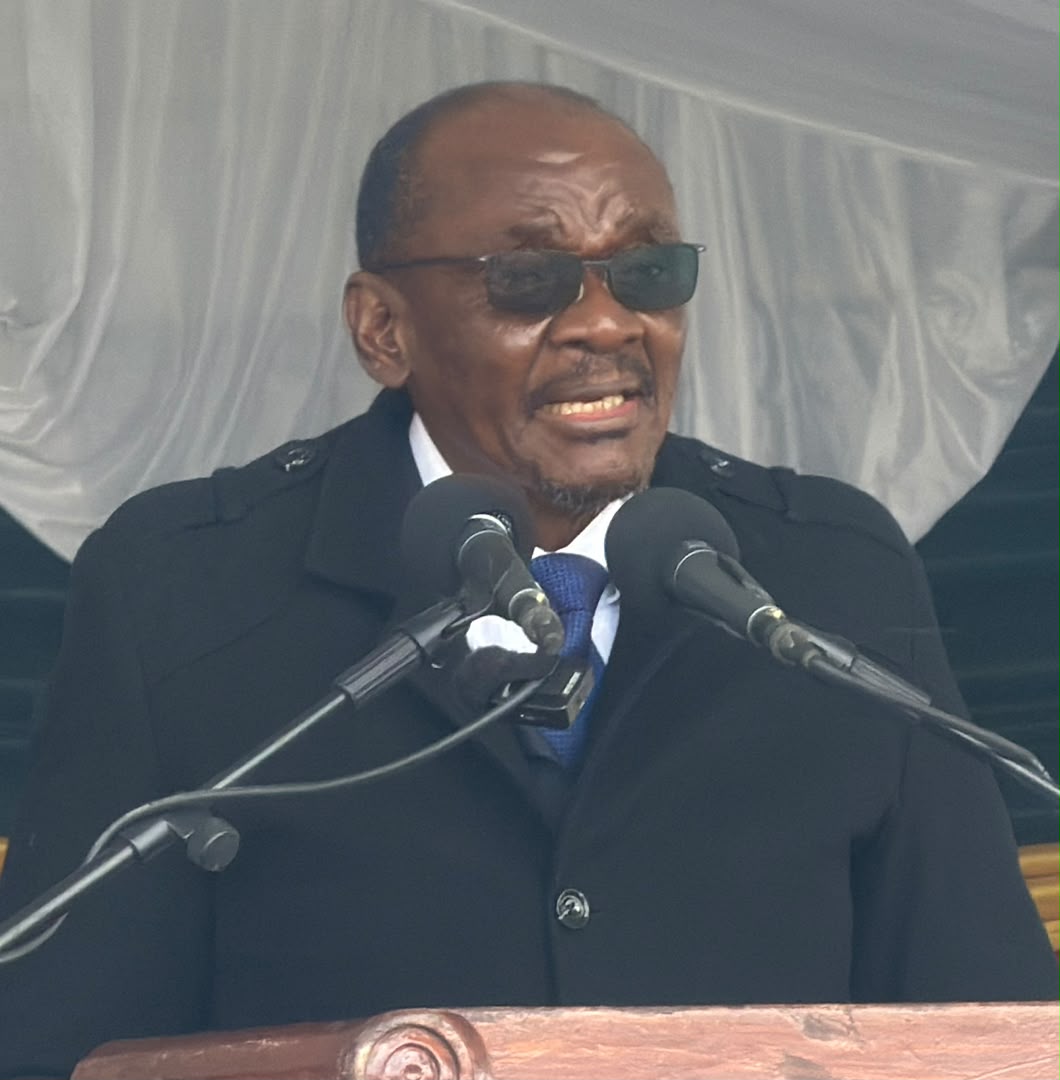
Speaking at the Zimbabwe Indigenous Interdenominational Council of Churches (ZIICC) conference at White City Stadium in Bulawayo, Vice President Kembo Mohadi said churches continue to make significant contributions to nation-building beyond their spiritual mandate.
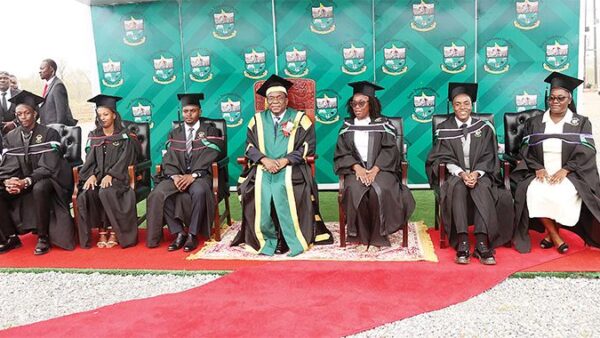
The Vice President commended ZIICC and its patron, His Grace Dr Nehemiah Mutendi, for their commitment to national development, social cohesion and spiritual renewal.
“The work of ZIICC exemplifies the important contribution of faith-based organisations in nation-building and community transformation,” he said.
VP Mohadi said the Second Republic, under President Mnangagwa, recognises the church as a strategic development partner and continues to promote freedom of worship, religious tolerance and constructive engagement between Government and faith communities.
He noted that the Constitution guarantees freedom of religion and conscience, recognising spiritual development as an integral component of human development.
The Vice President said churches have historically played a pivotal role in providing education, healthcare, social welfare services and humanitarian assistance to communities across the country.
“Long before the establishment of many modern social institutions, churches were already educating our children, caring for the sick, supporting vulnerable families and instilling values of honesty, integrity, discipline and compassion,” he said.
VP Mohadi said these values remain critical as Zimbabwe pursues Vision 2030 and the National Development Strategy 2 (NDS2), which seek to transform the country into an upper-middle-income economy.
“The successful realisation of Vision 2030 requires the participation of every sector of society, including the churches. Sustainable development cannot be achieved through economic interventions alone. It also requires a strong moral foundation, ethical leadership, responsible citizenship and social solidarity,” he said.
The Vice President identified drug and substance abuse as one of the most pressing challenges facing the country, particularly among young people, and commended ZIICC for establishing 60 drug and substance abuse rehabilitation centres across Zimbabwe’s 10 provinces.
He described the initiative as a significant contribution towards protecting the nation’s youth and complementing Government efforts to address the scourge.
“This noble undertaking demonstrates the church’s commitment to complementing Government efforts in addressing one of the most pressing social challenges of our time,” said VP Mohadi.
He pledged Government support for programmes that promote rehabilitation, reintegration and empowerment of young people affected by drug and substance abuse.
VP Mohadi also applauded the launch of the Church Choirs Economic Empowerment Programme, saying it aligns with Government objectives of youth empowerment, employment creation, entrepreneurship development and poverty reduction.
“Economic empowerment programmes that harness the talent, creativity and entrepreneurial potential of young people contribute significantly towards reducing inequality, improving household incomes and fostering inclusive economic growth,” he said.
Addressing youths, the Vice President urged them to reject drug and substance abuse and embrace opportunities that contribute to personal growth and national development.
“You are the custodians of Zimbabwe’s future. Your energy, innovation, faith and resilience will determine the trajectory of our nation in the years ahead. Remain steadfast in your faith, pursue excellence, reject drugs and substance abuse and embrace opportunities that contribute to your personal development and the prosperity of your country,” said VP Mohadi.
The conference brought together church leaders, congregants and Government officials to discuss the role of faith-based organisations in promoting national development, peace, unity and economic empowerment.