Online Reporter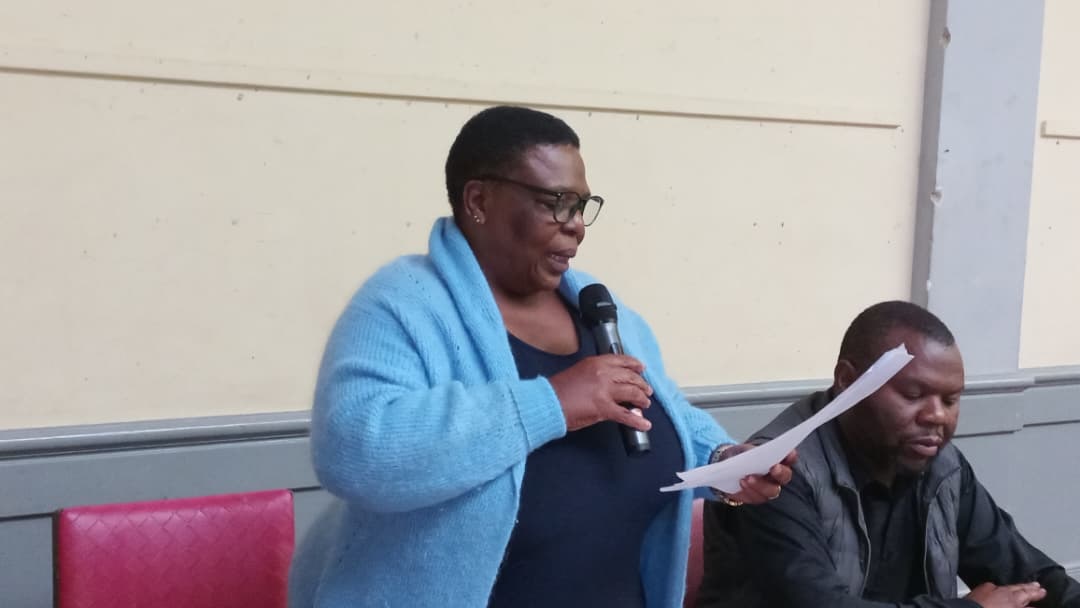
Bongani Ndlovu, Deputy Echo Editor
Communities must take charge of their own safety if they are to withstand the growing threat of disasters that continue to affect Bulawayo and the country at large, a senior Government official has said
Director Local Government Services Bulawayo and Chairperson Civil Protection Bulawayo, Mrs Tsvagai Fikile Marovatsanga, said disaster preparedness cannot be left to authorities alone, as communities are always the first to feel the impact when emergencies occur.
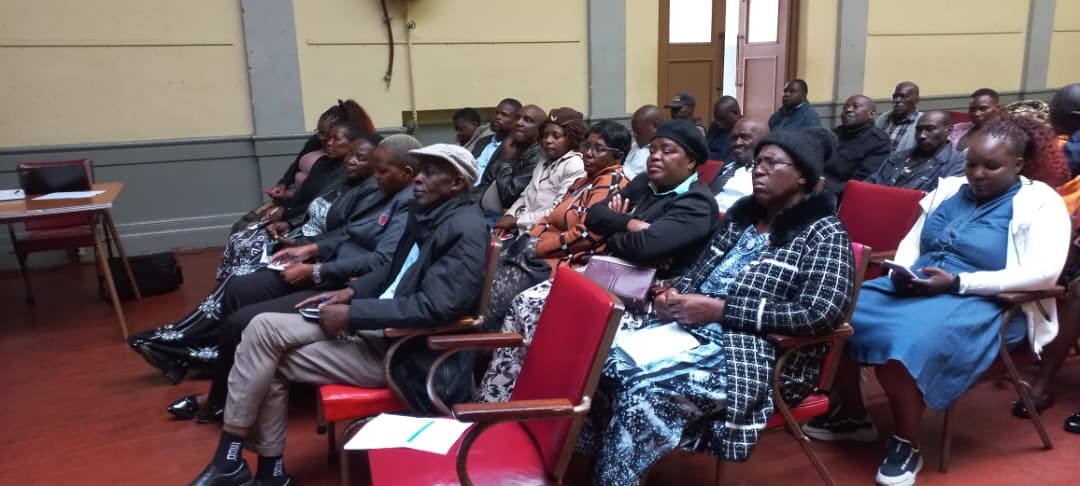
She was addressing 70 participants drawn from Bulawayo’s wards — including councillors and residents’ association chairpersons — during the Bulawayo Metropolitan Province Community-Based Disaster Risk Management (CBDRM) Training held at the Small City Hall on Tuesday. Also part of the training include the Zimbabwe Republic Police (ZRP), Meteorological Services Department (MSD), Ministry of Primary and Secondary Education, Environmental Management Agency (EMA), and the City of Bulawayo.
The training is funded by the European Civil Protection and Humanitarian Aid Operations (ECHO) and implemented by the World Food Programme (WFP) in partnership with World Vision. It is part of a regional resilience initiative running from 2024 to 2025 in Zimbabwe, Mozambique, Lesotho, Madagascar and Malawi. In Zimbabwe, it is being implemented in Bulawayo, Gweru, Epworth and Mutare.
Mrs Marovatsanga said with the city experiencing recurring challenges such as flash floods, house fires, waterborne diseases and ageing infrastructure, communities must be empowered to anticipate and respond to hazards before they escalate into disasters.
“A prepared community is a safe community,” she said. “As elected leaders, you are the first link in the chain. You are the early warning system, the first responders and the bridge between formal Civil Protection structures and the people you represent.”
As part of strengthening community-level response, the training aims to establish Civil Protection Committees in every ward, to be chaired by the local councillor. These committees will coordinate preparedness activities, mobilise residents and serve as the initial point of coordination during emergencies.
She said these ward committees will work closely with key institutions that form part of the Civil Protection structure, to ensure faster response and more coordinated action when disasters strike.
“This is about creating functional structures at ward level that can identify risks early and take action. Disaster management becomes effective when all local stakeholders pull in the same direction,” she said.
She noted that Zimbabwe’s laws — the Constitution, the Urban Councils Act and the Civil Protection Act — place responsibility for disaster risk management on both authorities and citizens, and ward committees are central to fulfilling that mandate.
Mrs Marovatsanga said the two-day programme equips participants with practical skills to assess hazards, develop ward-based response plans, understand early warning systems and mobilise community resources.
“We want communities that understand the dangers around them and work together to reduce those risks. When people act collectively, they save lives,” she said.
She added that Zimbabwe’s efforts align with the Sendai Framework, which advocates prevention, resilience and community-driven disaster risk reduction.
Participants will also go through practical sessions on community mapping, vulnerability assessments and how ward committees should collaborate with emergency services and key government departments.
Mrs Marovatsanga urged participants to fully utilise the training and return to their communities ready to operationalise the ward structures.
“At the end of this programme, you must go back to your wards with clear action points. We don’t want documents that gather dust. We want safer and more resilient communities,” she said.