Chronicle Editor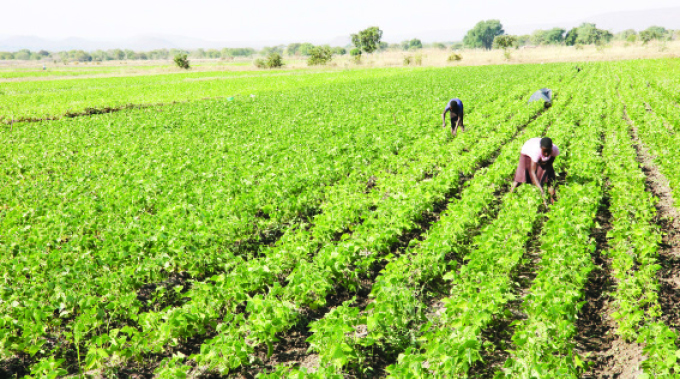
Robin Muchetu recently in Kariyangwe, Binga
THE Kariyangwe community in Binga District, Matabeleland North province, has become food secure courtesy of Lungwalala Irrigation Scheme that has more than 200 beneficiaries who have been producing enough for family consumption and surplus for sale to close other economic gaps such as sending children to school and paying medical bills.
The scheme that is in Ward 15 has seen villagers coming together to form various committees, one which is a burial society where they assist bereaved members with part of the produce from their farming venture. The 220 beneficiaries reserve a portion of their grain each season towards their burial society while also helping the vulnerable members of the community who may not be beneficiaries in the scheme. So ingenious is the community that they did not have to look for hard currency which is difficult to come by, and make monetary contributions but opted to use the produce from their toil to fund the inevitable cause.
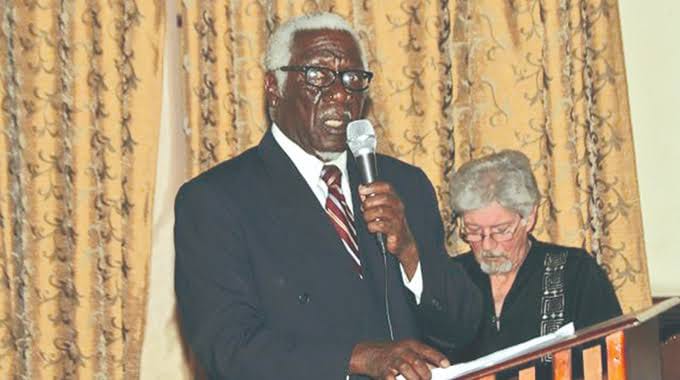
A Sunday News crew caught up with Mr Peter Mwiinde, the chairman of Lungwalala Irrigation Scheme under Chief Siansali on Monday last week, where he was weeding a winter wheat and sugar bean crop together with other beneficiaries. They had also just opened up the night storage dam and were also watering the crops. Mr Mwiinde is a proud man.
“This irrigation scheme started in 1993. It has 110 hectares in total and we have 220 beneficiaries in the whole scheme. On 55 ha we planted sugar beans and on 55ha wheat. In summer we grow maize. We work with agricultural experts in this area who guide us as we work on the land. We have committees such as the management committee, security inputs, mechanisation, and burial committee. We also have a works committee that looks if our fields are clean and weeded as well as check if our canals are clean,” he said.
Asked to give insight as to the importance of a burial society sub-committee in an irrigation scheme, Mr Mwiinde was quick to explain the concept.
“We have a sub-committee on burial society issues so that when a member is bereaved, we assist them when the need arises. We store the produce that we collect from members and take from there to give to the bereaved member. We contribute one bucket of every crop we produce after every harvest. We have seen that it assists us a lot, that is why we set up this committee,” he said.
Mr Mwiinde said in total, the amount of their contributions was equivalent to about US$5 and this had revolutionised how they were taking care of funeral costs as a person was assisted with the grain upon bereavement. After setting up a burial society for bereaved beneficiaries, the members of the scheme are also taking care of the vulnerable members of the community and even those that are not part of the scheme.
“The irrigation scheme has assisted us in so many ways since its inception. When we harvest our produce, we store some for those vulnerable members of the community that may be food insecure. We also have those that are not part of the scheme that come and buy from us so we are assisting the whole community and beyond and we do not turn away non-members who may be in need of food aid, we have embraced everyone. We also make use locals who will need employment seasonally, say there is no food in the home, people come here and do menial jobs and we pay them with food that we will have in our reserves or even some cash tokens when we have them,” added Mr Mwiinde.
He added that members were able to cater for the schooling needs of their children. Lungwalala Irrigation Scheme is fed from Lungwalala Dam which is in the area and a surplus from the irrigation produce is taken to the Grain Marketing Board.
“We have a night storage dam that is about a kilometre from the fields. Water is opened in the night storage dam then we use siphons to flood the crops that we will be growing. We also grow various horticultural products like sweet potatoes, tomatoes and some onions too. We have a sub-committee on marketing that assists us in seeking markets for the crops that we need to sell. They are also responsible for sourcing inputs that we use here. The surplus that we get we send to GMB and last year we took over 30 000 tonnes of wheat alone,” he added.
The chairman said the Presidential Inputs Scheme has been their greatest asset as they were major beneficiaries of the inputs.
“We get our inputs like seed and fertilisers through the Presidential Input Scheme and we are grateful for the gesture as it assists us a lot in our work. We took in some inputs in May actually and we have crops on the ground as it is,” he said.
The members of the scheme said their aim was to sustain their livelihoods with the proceeds from the venture and develop themselves more. They, however, lamented that they have one tractor that they are currently using to till the land saying it is inadequate looking at the size of the scheme. They said they would work faster and better with at least three tractors.
The scheme has over 100 youths that are involved in working on the irrigation scheme. The members said they would love to sell their produce to areas as far as Bulawayo but are limited as they do not have transport to ferry the produce. -@NyembeziMu



 Online Reporter