Online Reporter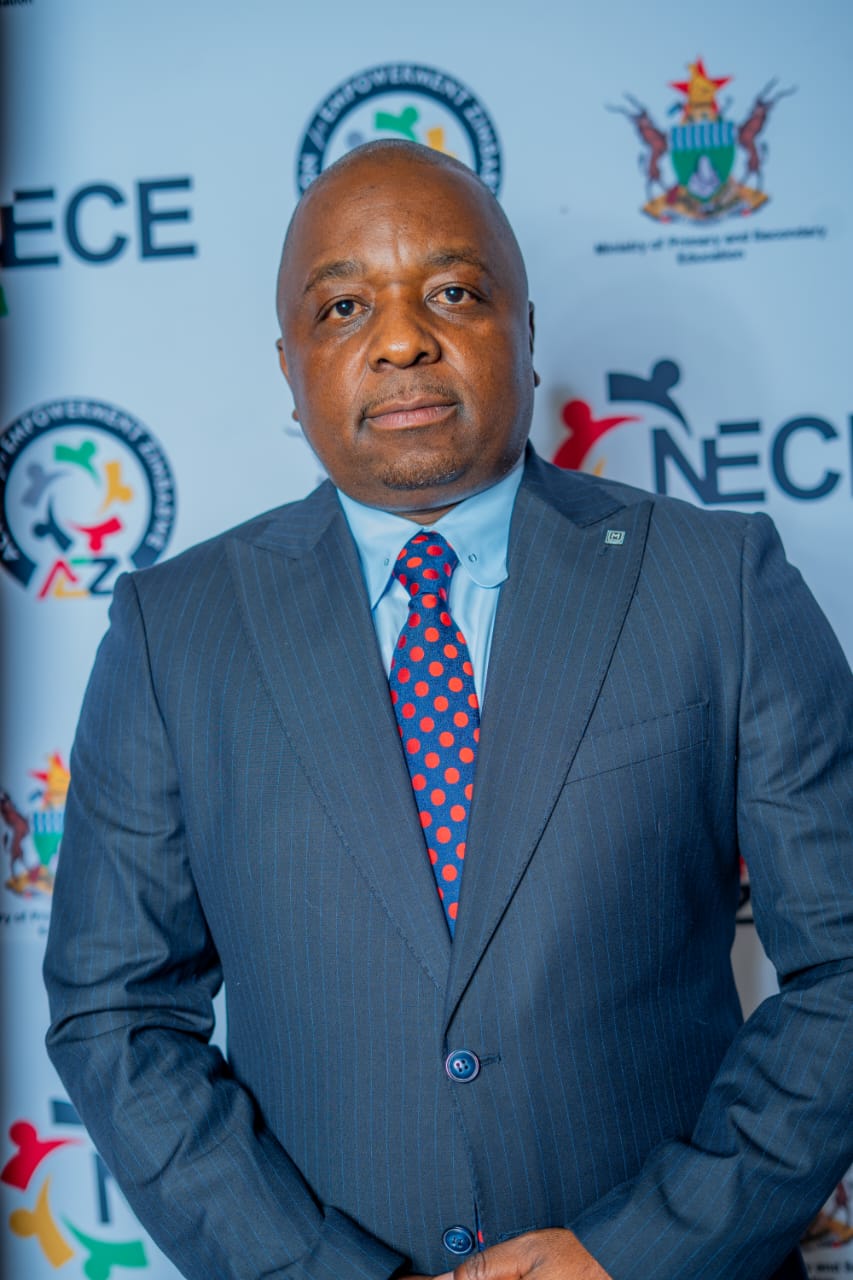
Gibson Mhaka [email protected]
THE transformation of Zimbabwe’s education sector requires urgent movement from policy discussions to practical implementation, stronger public-private partnerships and a whole-of-government approach, Action for Empowerment Zimbabwe (AEZ) president Mr Alson Darikayi has said.
Speaking at the ongoing fourth edition of the National Education Summit Zimbabwe (NESZ) 2026 at Lakeside Events Centre on the outskirts of Bulawayo along Plumtree Road, Mr Darikayi said the summit was created to address critical gaps in education dialogue, coordination and implementation.
The four-day summit, held under the theme, “From Policy to Practice: Driving Innovation and Investment in Zimbabwe’s Education System,” has brought together about 3 000 delegates from Government ministries, the education sector, development partners, financiers, private sector players and international organisations.
“This summit is not merely another conference on the calendar,” said Mr Darikayi.
“It is a national platform for dialogue, collaboration, accountability, innovation and collective action. It is a platform born from a conviction that education remains the single greatest investment any nation can make for its future.”
He said AEZ’s developmental and empowerment work across Zimbabwe exposed a worrying reality that sustainable economic empowerment could not be separated from the quality, accessibility and relevance of education.
“As we worked with young entrepreneurs, school leavers, SMEs, women-led enterprises and communities across Zimbabwe, we consistently encountered the same challenge,” said Mr Darikayi.
“Many young people possessed academic qualifications yet lacked exposure to innovation ecosystems, practical skills, entrepreneurship capacity, digital competencies and pathways into productive economic participation.”
Mr Darikayi said fragmented discussions around education policy, financing, infrastructure, technology and governance prompted the creation of a national platform capable of bringing together all key stakeholders.
“There was no truly unified national platform that brought together Government, public schools, private schools, mission schools, rural schools, universities, development partners, legislators, industry leaders, innovators, investors, civil society and communities into one practical and collaborative space,” he said.
“It is from this gap that the National Education Conference and Expo was born.”
He said what began as a civil society-driven initiative had evolved into a respected national platform attracting policymakers, development agencies, education leaders and industry stakeholders.
“Today we proudly witness the evolution of that initiative into the National Education Summit Zimbabwe,” said Mr Darikayi.
“This transformation is not cosmetic. It represents a strategic shift from conversation to implementation, from fragmented interventions to coordinated national action, from annual dialogue to sustained transformation.”
Mr Darikayi said one of the summit’s defining strengths was its inclusivity, bringing together policymakers, legislators, educators, investors, development practitioners, church organisations and industry leaders under one platform.
“The presence of parliamentary portfolio chairpersons and legislators is particularly important because education transformation requires enabling legislation, oversight, accountability and sustainable policy support,” he said.
He stressed that the future of education could not be left to the Ministry of Primary and Secondary Education alone, calling for a broader national approach.
“The future of education cannot be addressed by the Ministry of Primary and Secondary Education alone,” said Mr Darikayi.
“It requires a whole-of-government approach involving ICT and digital infrastructure, finance, economic planning, local government, higher education, youth empowerment, industry and commerce, health, social protection and rural development.
“This is because education sits at the centre of development.”
Mr Darikayi also called for stronger public-private partnerships, saying the Government alone could not shoulder the responsibility of modernising Zimbabwe’s education system.
“We must recognise that the Government alone cannot carry the responsibility of transformation,” he said.
“The scale of infrastructure deficits, technology requirements, teacher support systems, innovation, financing, digital transition and research needs requires robust public-private partnerships.”
He said partnerships were critical if Zimbabwe was to build modern schools, digital laboratories, innovation hubs, STEM centres, inclusive learning systems and teacher development programmes.
“Public-private partnerships are no longer optional; they are necessary,” said Mr Darikayi.
“If we are to build modern schools, digital laboratories, innovation hubs, STEM centres, inclusive learning systems and teacher development initiatives, we must build strong partnerships between Government, the private sector and development partners.”
He urged stakeholders to view investment in education as a strategic national imperative rather than philanthropy.
“Education investment must therefore be viewed not as charity, but as a strategic national development investment,” said Mr Darikayi.
He said the summit aligns with the Government’s ongoing education modernisation agenda, including heritage-based education, digitalisation, innovation and improved education delivery systems.
“Our role is not to duplicate Government efforts but to complement, strengthen and support national education priorities through collaboration, innovation, dialogue and investment mobilisation,” he said.
Mr Darikayi said while Zimbabwe remained recognised for strong literacy achievements, new global realities demanded more than academic attainment.
“Zimbabwe has been recognised for valuing education and our literacy achievements remain among the strongest on the African continent,” he said.
“However, literacy alone is no longer enough in today’s global economy.”
He said the major challenge facing the sector was no longer policy existence but implementation, financing, innovation and measurable impact.
“The challenge before us is not merely the existence of policies,” said Mr Darikayi.
“The greater challenge lies in implementation, financing, coordination, innovation adoption and ensuring measurable impact at school and community level.
“How do we ensure rural schools are not left behind in digital transformation? How do we bridge the gap between education and industry? How do we prepare learners not only for examinations, but for life?”
The summit is convened by AEZ in partnership with Business Diary and in collaboration with the Ministry of Primary and Secondary Education.