Online Reporter
Vusumuzi Dube in Victoria Falls
PRESIDENT Mnangagwa has said Geographical Indications support rural industrialisation, enhance the competitiveness of local enterprises, and open new export pathways for high-value-branded products.
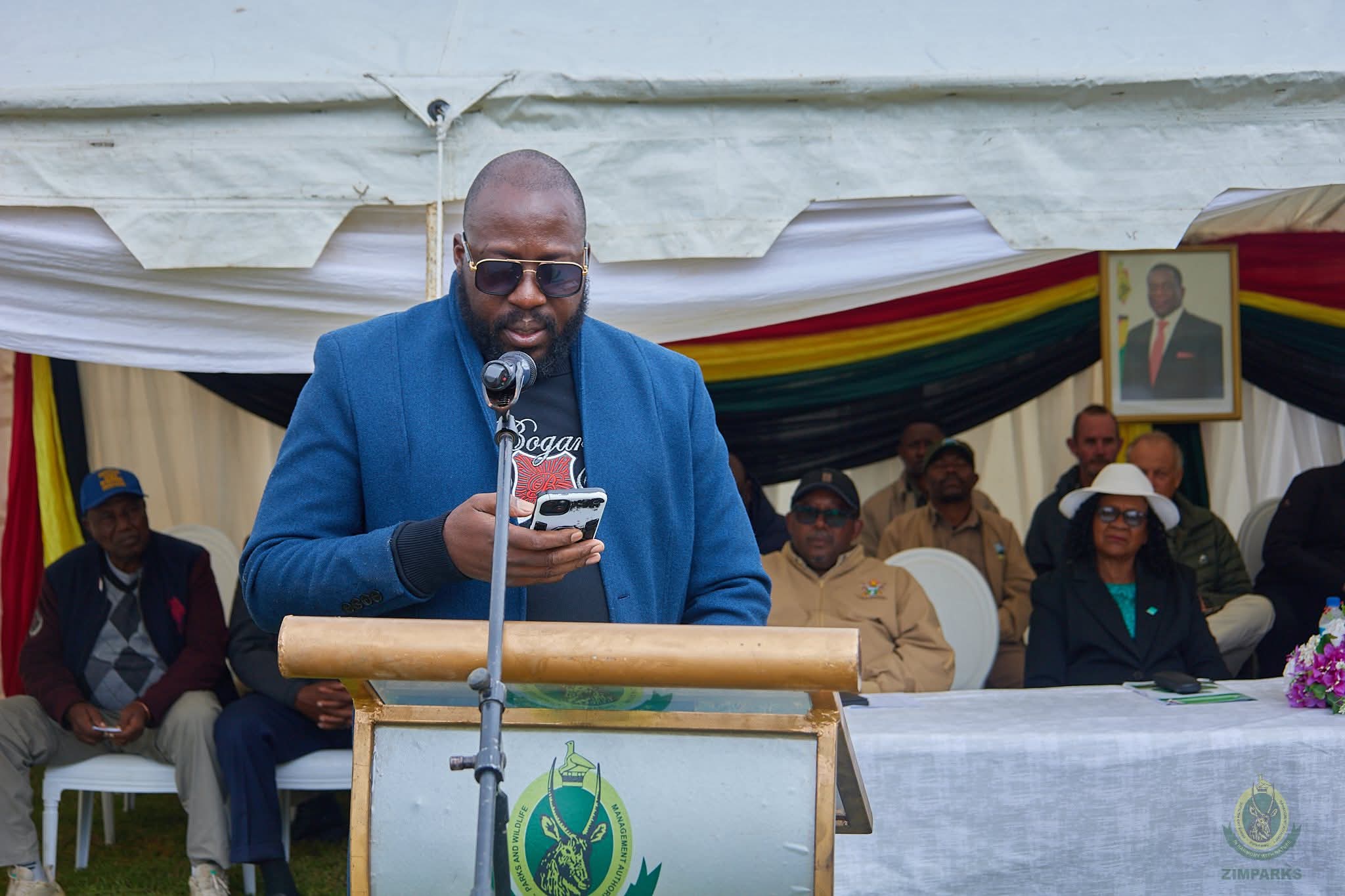
In a speech read on his behalf by the Minister of Foreign Affairs and International Trade, Professor Amon Murwira at the official opening of the Worldwide Symposium on Geographical Indications, President Mnangagwa said through the harnessing of these natural resources and heritage, it thus creates conditions for inclusive and sustainable economic growth.
The two day symposium which began on Thursday is being organised by the World Intellectual Property Organization (WIPO) in cooperation with the Companies and Intellectual Property Office of Zimbabwe (CIPZ) and the Ministry of Justice, Legal and Parliamentary Affairs with the support of the African Regional Intellectual Property Organisation (ARIPO).
The President said Geographical Indications align with the nation’s objectives in agricultural transformation, climate resilience and empowering smallholder farmers, women and the youth.
“Geographical Indications provide our entrepreneurs with a structured and empowering model of collective organisation, quality assurance, and branding that can raise incomes, create jobs and wealth, as well as build dignity.
“It is critically important that our policy thrust on image building, engagement and re-engagement within the global community also finds expression in the Geographical Indications Agenda. By highlighting the quality, origin, and cultural value of our products, we are telling Zimbabwe’s story, depicting our resilience, economic modernisation and industrialisation,” he said.
The President said the development and protection of Geographical Indications is a welcome initiative as it supports the attainment of Zimbabwe’s national development priorities, which is anchored on Vision 2030 of becoming an upper-middle-class economy.
To realise the full potential of Geographical Indications, President Mnangagwa said Zimbabwe is strengthening the legal and institutional frameworks in line with international best practices.
“My Government is undertaking a review of the National Intellectual Property Legislative Framework, with a view to aligning our Geographical Indications laws to the requirements of the World Trade Organisation’s Agreement on Trade-Related Aspects of Intellectual Property Rights, the Geneva Act of the Lisbon Agreement and the African Continental Free Trade Area Protocol on Intellectual Property Rights.
“The development of a national Geographical Indications logo, a certification system, and a manual of procedures to guide the registration, protection, and enforcement of Geographical Indications is going well,” he said.
President Mnangagwa noted that this is being complemented by awareness-raising campaigns on various platforms, including the digital space, to educate producers, consumers, policy-makers, and the private sector on the strategic importance of Geographical Indications.
He said the success of any Geographical Indications regime depends not only on domestic effort but also on regional and international cooperation.
“The cross-cutting nature of Geographical Indications, encompassing trade, environment, heritage, agriculture, and law, demands multi-stakeholder engagement. In this regard, I applaud the continued leadership of WIPO and ARIPO in providing technical assistance, capacity development, and policy guidance to Member States.
“I also recognise the growing role of South-South cooperation and partnerships, which demonstrate the value of mutual learning, solidarity, and co-creation. At the continental level, I call upon the African Union and its organs to fast-track the implementation of the African Continental Free Trade Area Protocol on Intellectual Property Rights,” said President Mnangagwa.