Online Reporter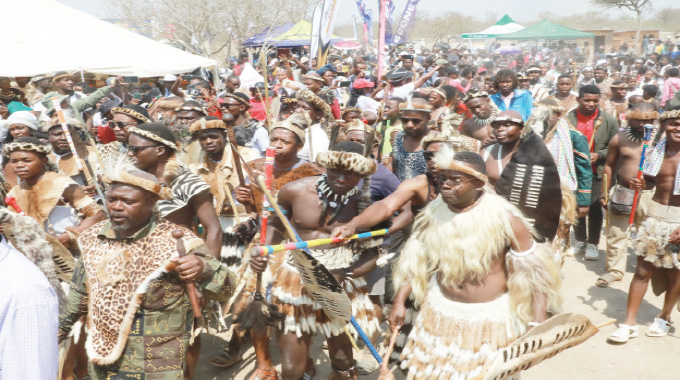
Langalakhe Mabena, Zimpapers Arts and Entertainment Hub
The King Mzilikazi commemoration celebrated its 25th anniversary in spectacular fashion over the weekend, reaffirming its status as a cornerstone of cultural preservation and unity.
Running under the theme “Siqoqa Isizwe Ngamasiko” (We strengthen the nation through culture), the event highlighted the crucial role of cultural heritage in nation-building. It brought together diverse ethnic groups, including the Ndebele, Shona, Sotho, Ndau, Kalanga, Venda, and Tonga communities.
In a true display of global solidarity, attendees came from as far afield as the United States of America, the United Kingdom, Canada, Australia, Russia, and several African countries.
This year’s edition broke new ground by running for two days. The festivities began on September 5 with an insightful seminar on the teachings and leadership legacy of King Mzilikazi, held at Mhlahlandlela. The seminar drew participation from schoolchildren across Matabeleland North, Matabeleland South, and Bulawayo, fostering a sense of pride and awareness among the younger generation.
The seminar aligned with the Government’s Heritage 5.0 policy, focusing on promoting a deeper understanding of culture as a foundation for nation-building and Ubuntu.
The main event, held on September 6, was the highlight of the commemorations. It began with a march from Matshobana suburb, named after King Mzilikazi’s father, led by different age groups dressed in traditional regalia. At the front were Amatshitshi followed by Izintombi and elderly women. Behind them came Abafana, with Amabutho forming the parade’s backline.
Breaking from the usual route, the procession made a historic stop at Barbourfields Stadium, the home of football giants Highlanders FC, a club established in 1926 by Prince Rhodes and Prince Albert Khumalo, grandsons of King Lobengula ka Mzilikazi.
From there, the march continued to the Highlanders Club House (Isibaya seNkosi), believed to be the historic site where King Mzilikazi and the Ndebele nation held the Inxwala (first harvest) ceremony.
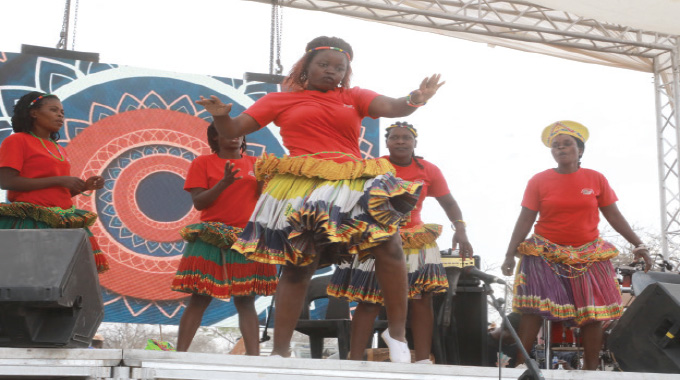
The cultural journey included a lively showcase of song and dance at the Bulawayo Large City Hall, before participants boarded buses to the King Mzilikazi Memorial site in Matobo, where the main festivities unfolded.
At the main event in Mhlahlandlela, the royal palace grounds, which are often silent save for whispers of history, were transformed into a colourful hive of activity through music, dance and memory intertwined to celebrate Mzilikazi.
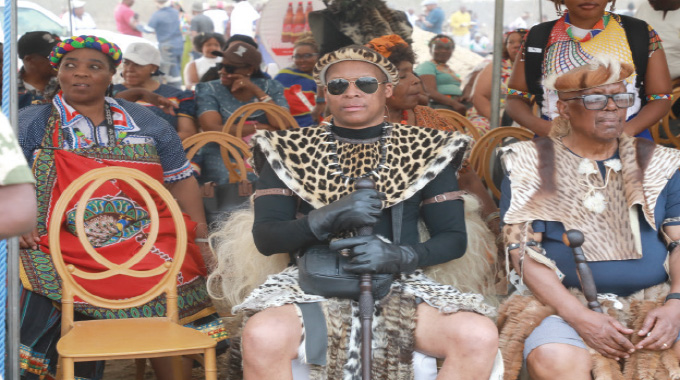
Among special guests was Zambian Chief Chilonga, United Kingdom of Southern Africa’s Prince Mavuso, local chiefs Chitanga, Gezani, Tshovani, Garahwa and Mahenye.
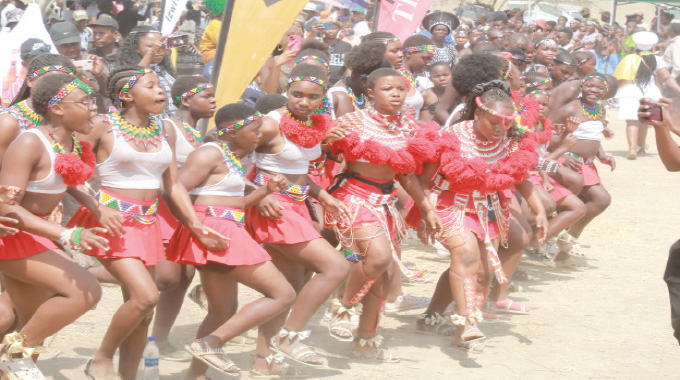
One of the participants, poet Sam Ntumbane Mabhena, who travelled from South Africa, said the commemorations highlighted Mzilikazi’s enduring role as a unifier.
“What I saw yesterday (Saturday) was a clear sign of how incredible King Mzilikazi was. Different ethnic groups from the Venda, Sotho, Shangani, Nguni, Kalanga, Tswana, Shona and Ndebele were all gathered to celebrate his legacy, something that proves how unifying Mzilikazi was,” he said.
“This event attracted children, youth as well as old people, a great thing that unifies our nation. Such events have to be embraced because they reconnect us with our roots.”
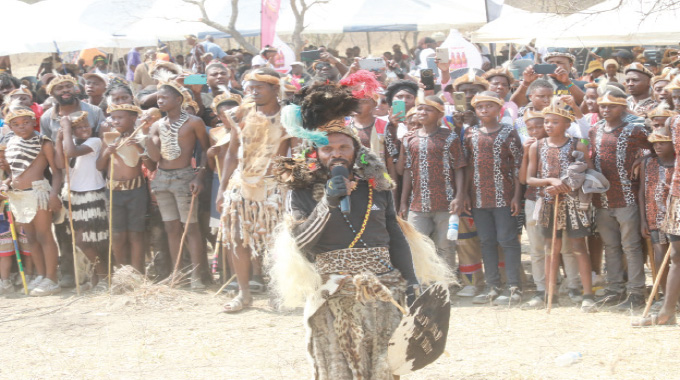
The commemorations also drew tourists, including 38-year-old Andrey Ivin from Russia, who said he discovered the celebrations by chance and was overwhelmed by the passion Zimbabweans showed in honouring their history.
“I’d been touring Masvingo and Great Zimbabwe for the past three days. This morning (Saturday), I saw a crowd in the city centre and decided to follow. I ended up here at Mhlahlandlela and I don’t regret it.
“What I witnessed is a people deeply in love with their culture. This is something I’ll proudly share with my family back in Russia,” said Ivin.
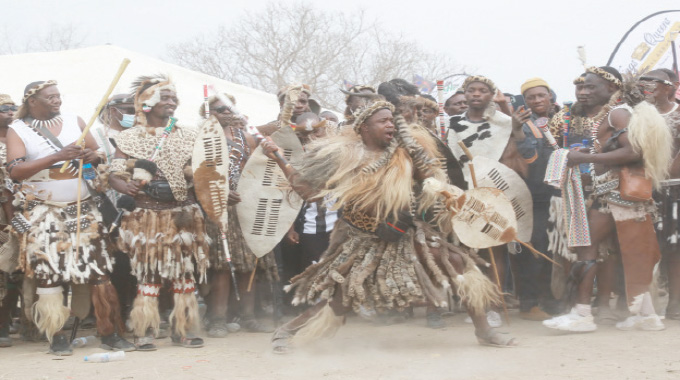
Royal family member Prince Peter Zwide Khumalo said the festivities lived up to expectations as they attracted thousands of people from across the globe.
“When we started these commemorations in the year 2000, the vision was to revive the legacy of the late King Mzilikazi after we realised that his story was being forgotten.
“As we turned 25 years this year, we decided to have the celebrations running for two days.
“I’m happy that we attracted thousands of people from different walks of life who cherished the life and history of Mzilikazi. As we start preparing for the 2026 edition, we’d like to give thanks to everyone who attended. We’re looking forward to hosting them again next year,” said Zwide.