Nqobile Bhebhe in Mvuma
THE National Railways of Zimbabwe (NRZ) says its strategic transport agreement with Dinson Iron and Steel Company (Disco) and Grand Railway Solutions is set to go beyond the movement of materials, with the partnership expected to help revive industrial activity and strengthen the country’s logistics capacity.
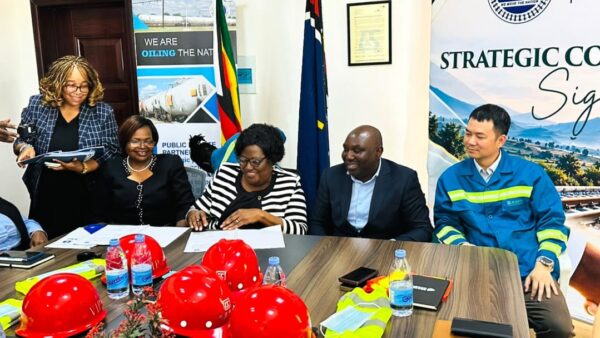
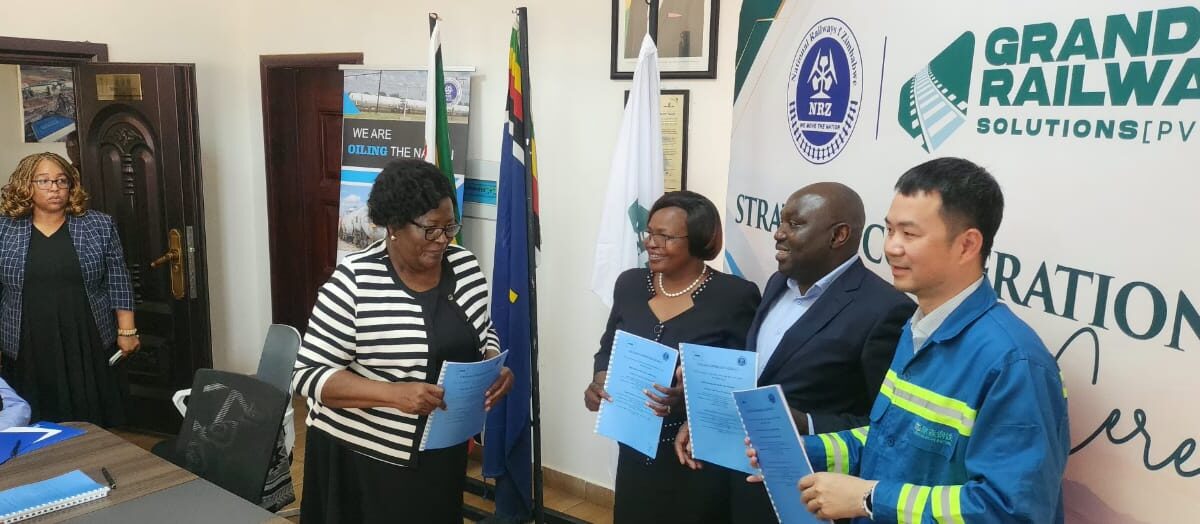
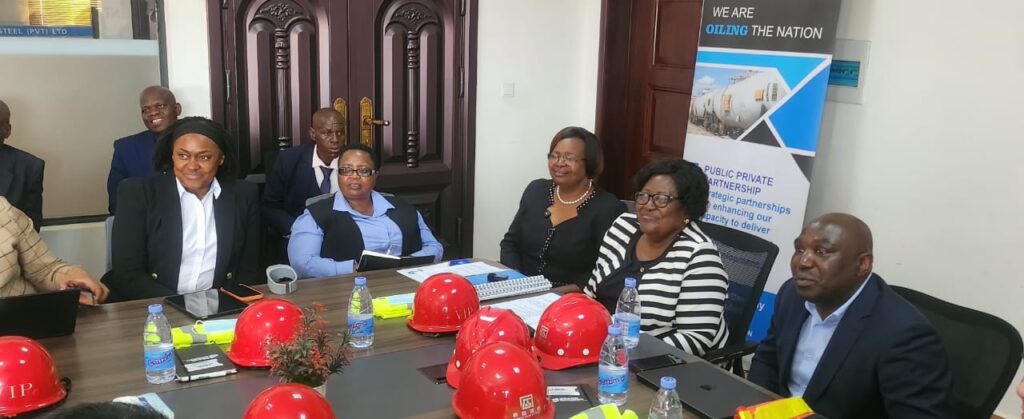
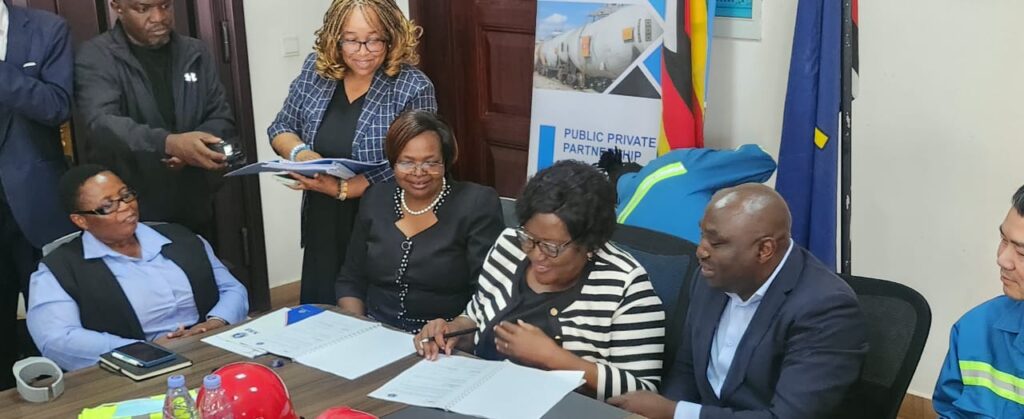
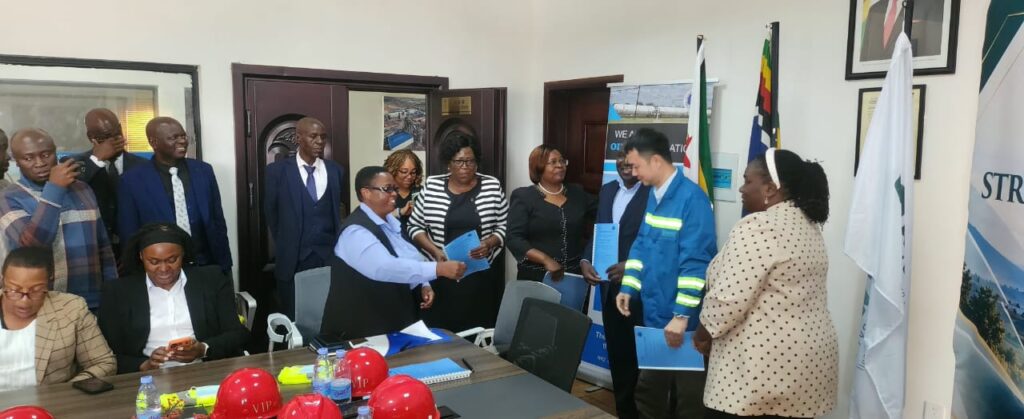
The agreement, signed in Mvuma, brings together the national railway operator, one of Zimbabwe’s major emerging industrial players and a private rail solutions provider in a partnership aimed at improving the movement of freight.
NRZ Acting CEO Mrs Ainah Dube-Kaguru said the agreement represented an important step towards rebuilding the country’s rail freight system while supporting the productive sectors of the economy.
“It is not just the materials that you are going to see happening, but it’s a great story that is going to revive the industry,” Mrs Dube-Kaguru said.
“We are going to be saving industry, commerce in the nation more effectively.”
The remarks come as Zimbabwe seeks to leverage rail transport to support industrialisation, particularly the movement of bulk commodities associated with mining and steel production.
The Manhize steel project, which is being developed by Dinson, is expected to generate significant demand for reliable transportation of raw materials, finished steel products and other industrial inputs.
For NRZ, such anchor customers are critical in rebuilding freight volumes and creating predictable traffic on key railway corridors, which can in turn support investment into infrastructure, locomotives, wagons and other operational assets.
The partnership with Dinson and Grand Railway Solutions therefore provides an opportunity for NRZ to align its network and operational capabilities with actual freight demand generated by industry.
The rail operator said the collaboration would combine the strengths of the three parties to improve the country’s response to growing transportation requirements.
“So by combining complementary capabilities, the partnership will enhance it, strengthen operational capacity and respond more effectively to the transport needs of the economy.
“That is how important this agreement is today to us,” adde Mrs Dube-Kaguru.
The development comes against the background of renewed calls for the rehabilitation of Zimbabwe’s railway network as the country pursues its industrialisation and infrastructure development targets.
Rail is regarded as particularly important for the movement of bulk cargo because it can transport large volumes over long distances more efficiently than road transport, helping to reduce pressure on highways and potentially lowering logistics costs for producers.
At the recent Zimbabwe Economic Development Conference (ZEDCON), delegates stressed the need for NRZ’s revival to be anchored on bankable corridors with sufficient freight demand to support investment and repayment.
Mining was identified as a critical anchor for the rehabilitation of the railway system because of the sector’s substantial bulk freight requirements.
The Dinson agreement is consistent with that approach by linking railway investment and operational capacity to a major industrial customer with significant freight requirements.
The Manhize development is also envisaged as more than a steel-making facility, with the project expected to support an industrial ecosystem involving production, processing, value addition and exports.
A stronger rail link would consequently be important in connecting the industrial complex to suppliers, domestic markets and export routes.
The partnership with Grand Railway Solutions is expected to add private-sector capabilities to the arrangement, strengthening the ability of the parties to respond to emerging freight requirements.
The NRZ general manager said the significance of the agreement should therefore be measured by its wider economic impact rather than the immediate movement of materials.
“It is not just the materials that you are going to see happening, but it’s a great story that is going to revive the industry,” she said.
The agreement could consequently mark a shift towards a more demand-driven approach to railway rehabilitation, where major industrial and mining projects provide the freight base necessary to justify investment in strategic corridors.
The ultimate objective foe Zimbabwe is to restore rail as a competitive component of the national logistics system and use it to support industrial growth, reduce transport constraints and improve the movement of goods across the economy.