

 Online Reporter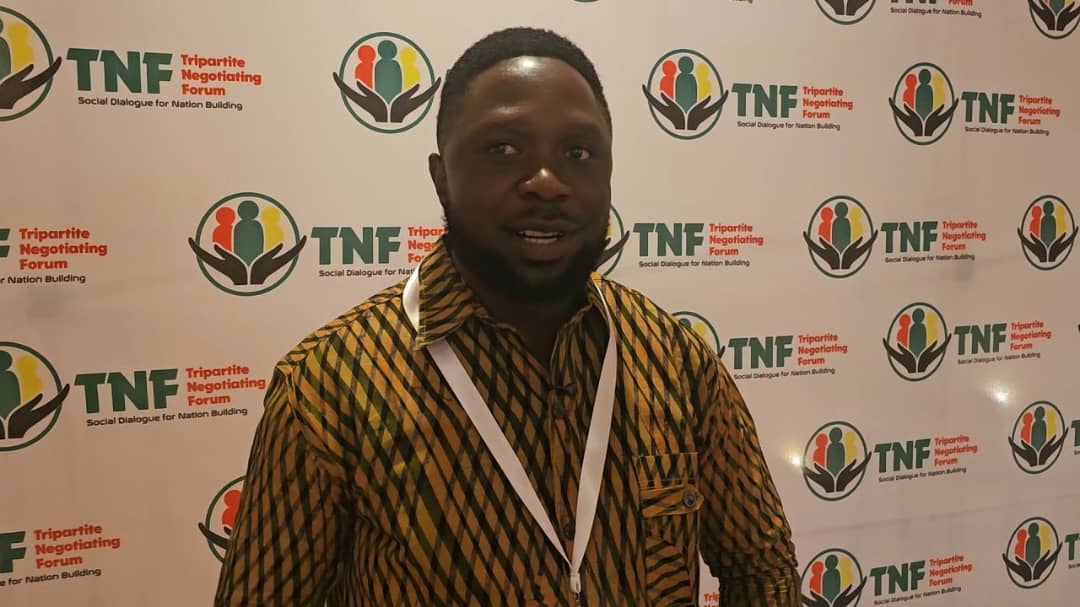
Theseus Mauruki Shambare in VICTORIA FALLS
PARLIAMENT is set to scrutinise whether existing laws are adequate to protect workers and property rights as artificial intelligence (AI) rapidly transforms the workplace.
Parliamentary Portfolio Committee on Public Service, Labour and Social Welfare chairperson and Zvimba South legislator Dexter Taurai Malinganiso said the rapid advancement of AI had created a need to assess whether Zimbabwe’s laws remained responsive to emerging workplace realities.
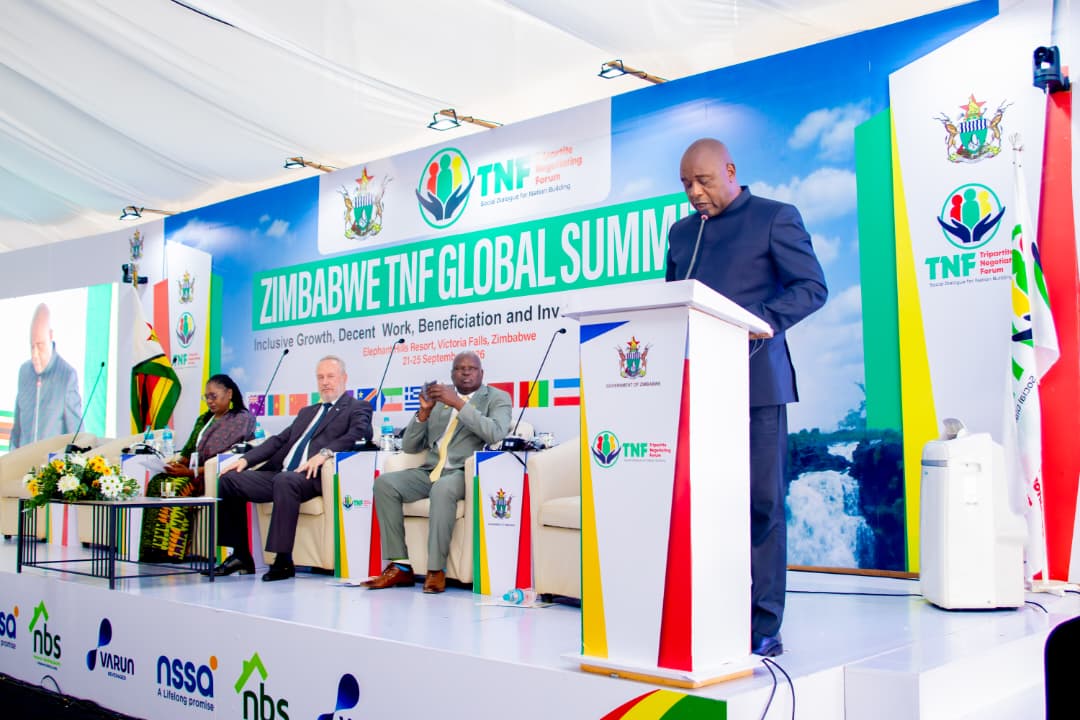
He was speaking on the sidelines of the Zimbabwe Tripartite Negotiating Forum (TNF) Global Summit in Victoria Falls, where Government, labour, business and other stakeholders are discussing the impact of digitalisation and AI on the future of work.
“As parliamentarians, our task is to check whether the available legislation protects, number one, the labour, number two, property rights,” said Mr Malinganiso.
He said the summit was examining concerns over whether AI could eventually substitute human beings in the workplace, although the emerging view was that technology could instead enhance human capabilities.
“The topical question is whether or not AI is actually trying to substitute human beings, be it for labour, whatever the case may be.
“But the persuasive argument so far is that it is actually coming to enhance what humans can do, what machines can do, and actually for better days ahead, literally for prosperity,” he said.
The discussions come as AI is increasingly integrated into workplaces, raising questions around employment, skills development, productivity, data protection and intellectual property.
Mr Malinganiso said the TNF summit provided an opportunity for social partners to consider how laws and policies could respond to technological changes while ensuring workers and businesses benefited from emerging opportunities.
The parliamentary committee’s involvement places lawmakers at the centre of discussions on how Zimbabwe can balance technological advancement with the protection of workers and property rights.
He said the debate should therefore extend beyond fears that AI could replace human labour and focus on how technology could complement human capabilities and contribute to economic development.


 Blessing Chizhande