Online Reporter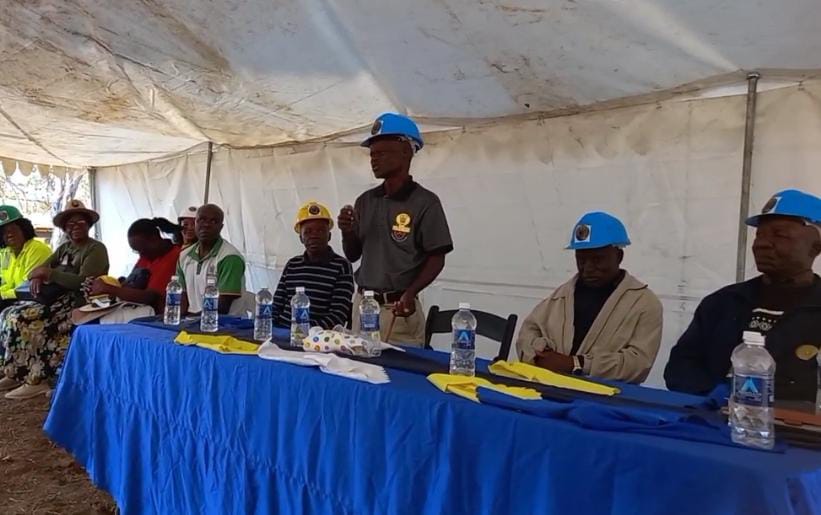
Judith Phiri [email protected]
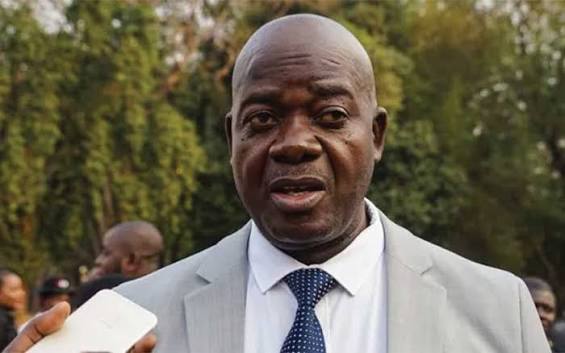
Chief Wonondo has called on miners to respect and protect the environment in their mining operations by complying with legal standards, preventing toxic pollution and rehabilitating damaged land.
The mining industry is the cornerstone of the nation’s economy, contributing significantly to the gross domestic product (GDP) and accounting for approximately 75 percent of national exports.
Speaking at Asiphileni Gold Mine in Kenilworth, Ward 19 of Bubi District, Matabeleland North on Wednesday, the Chief said respecting mining land culturally requires observing sacred ecological rules.
“Whether you mine here or not respect the land where you are carrying out your mining is important. Minerals carry deep spiritual, historical and cultural meanings that treat the earth not just as a source of money,” he said.
He commended Ms Nomathemba Mkethwa, Director of Asiphileni Gold Mine for empowering the community through allowing the youth, women, men and the elderly to mine as a source of income.
Chief Wonondo urged other miners to take up the initiative and create jobs for locals through sustainable livelihood projects.
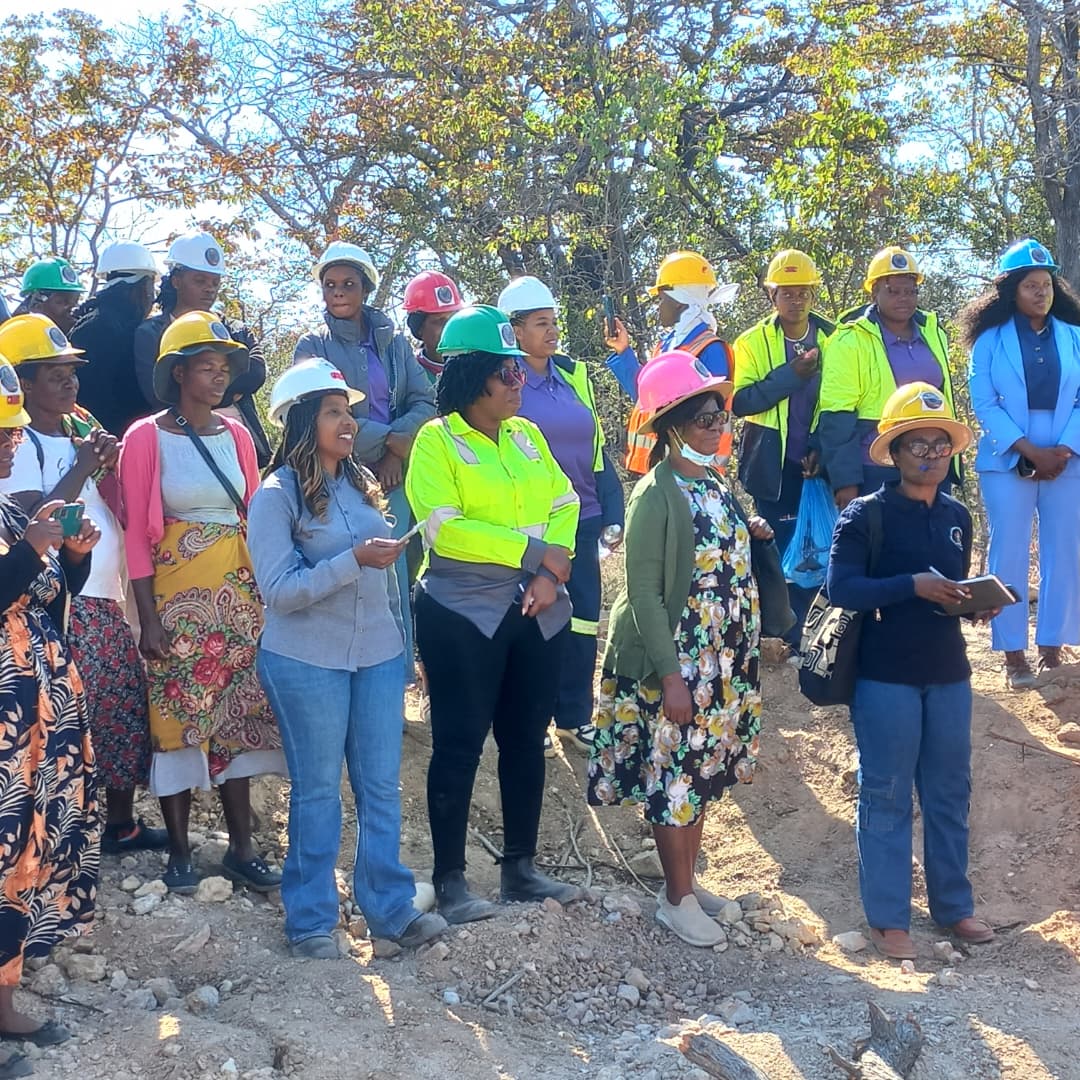
Ms Mkethwa commended President Mnangagwa for his leadership that has allowed women to also take up space in the mining sector.
“We thank President Mnangagwa for this opportunity that we have gotten as women miners so that we can also positively contribute to the attainment of Vision 2030 of an upper middle-income economy,” she said.
“Statistics indicate that more women are taking up mining in a sector which was viewed as male dominated. We now make up a significant share of artisanal and small-scale miners, running operations ranging from gold claims to mineral processing.”
As a member of Zimbabwe Artisanal and Small Scale Women Miners Association (ZASWMA), she called on women to continue were taking up roles in the mining sector as titleholders and value-chain entrepreneurs.
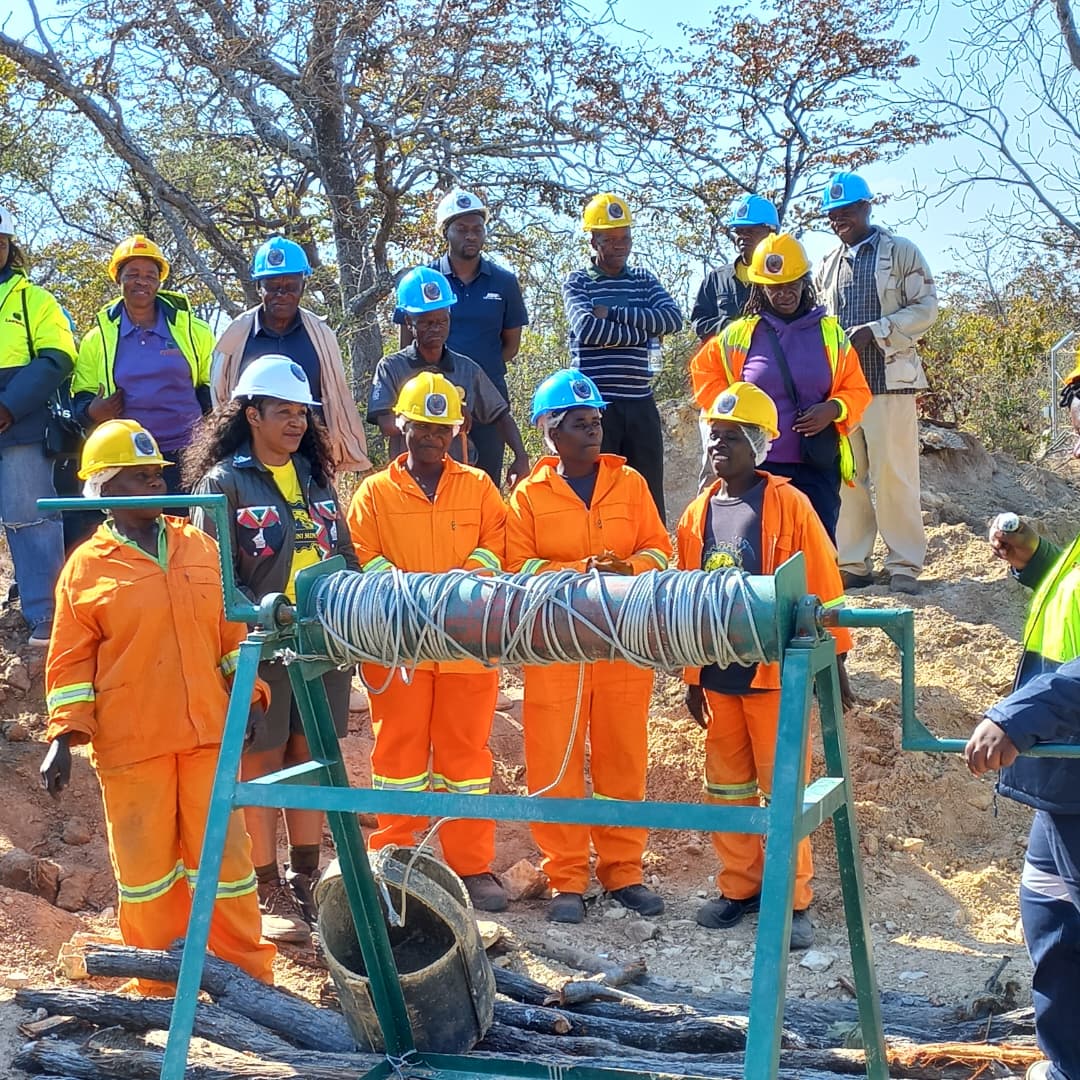
Ms Mkethwa, however, called for collaboration to ensure women miners are assisted to overcome the challenges they face in mining.
“Women miners continue to face sone hurdles including inequitable access to finance, patriarchal barriers to asset ownership and exposure to gender-based violence. These systemic obstacles limit their operational capacity and participation in the formal mining sector. We call for collaboration from Government, private sector players and communities to find solutions for these challenges,” she added.
As a mine, she said they were empowering the community with shafts for women, youth, men and the elderly to ensure they have a source of livelihood.
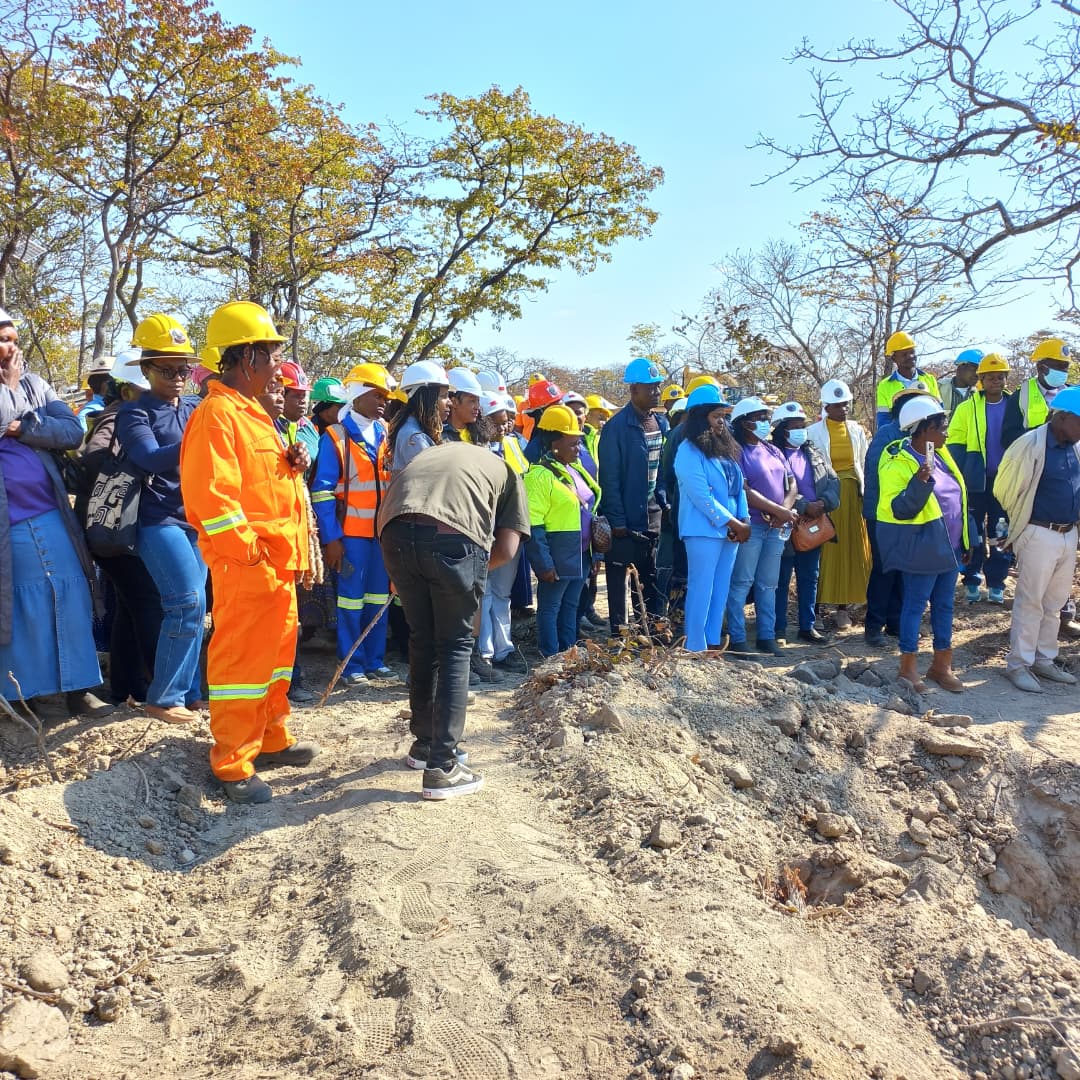
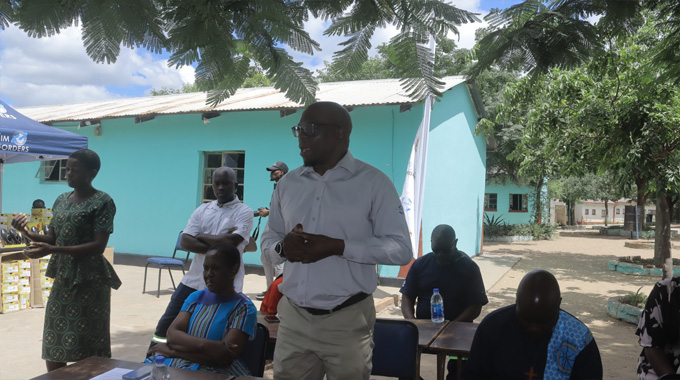
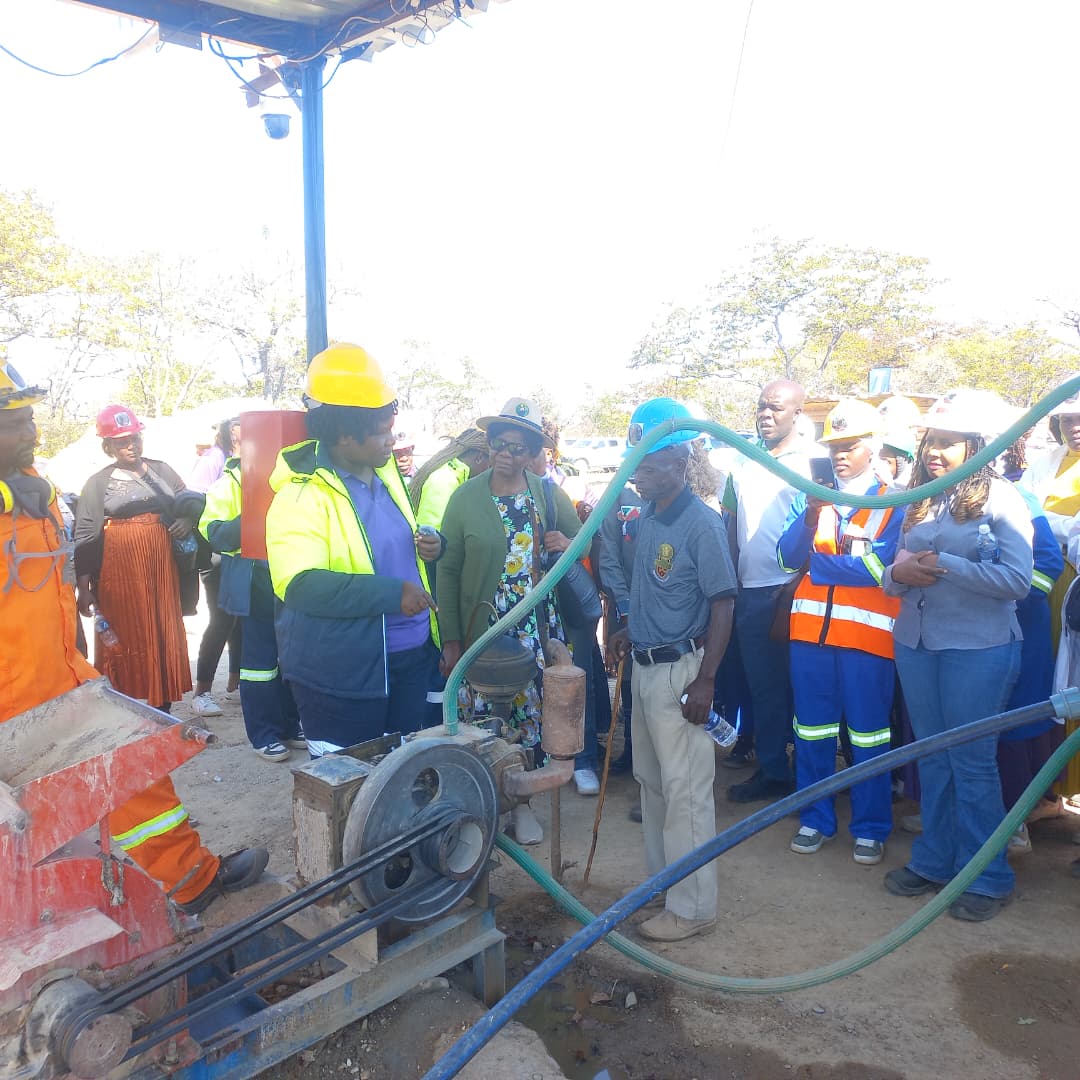
Women miners from different parts of the country attend the exchange learning site visit programme at the mine. They came from Bindura, Matobo, Gwanda, Shurugwi, Gokwe, Beitbridge and Filabusi among other areas.
The event was hosted by Zimbabwe Artisanal and Small Scale Women Miners Association (ZASWMA) in partnership with NMB to promote peer-to-peer learning and knowledge exchange among women miners.
It also sought to showcase responsible artisanal and small-scale mining practices, promote environmental stewardship through the tree-planting initiative in line with ESG principles as well as encourage the adoption of safe mining practices.