Online Reporter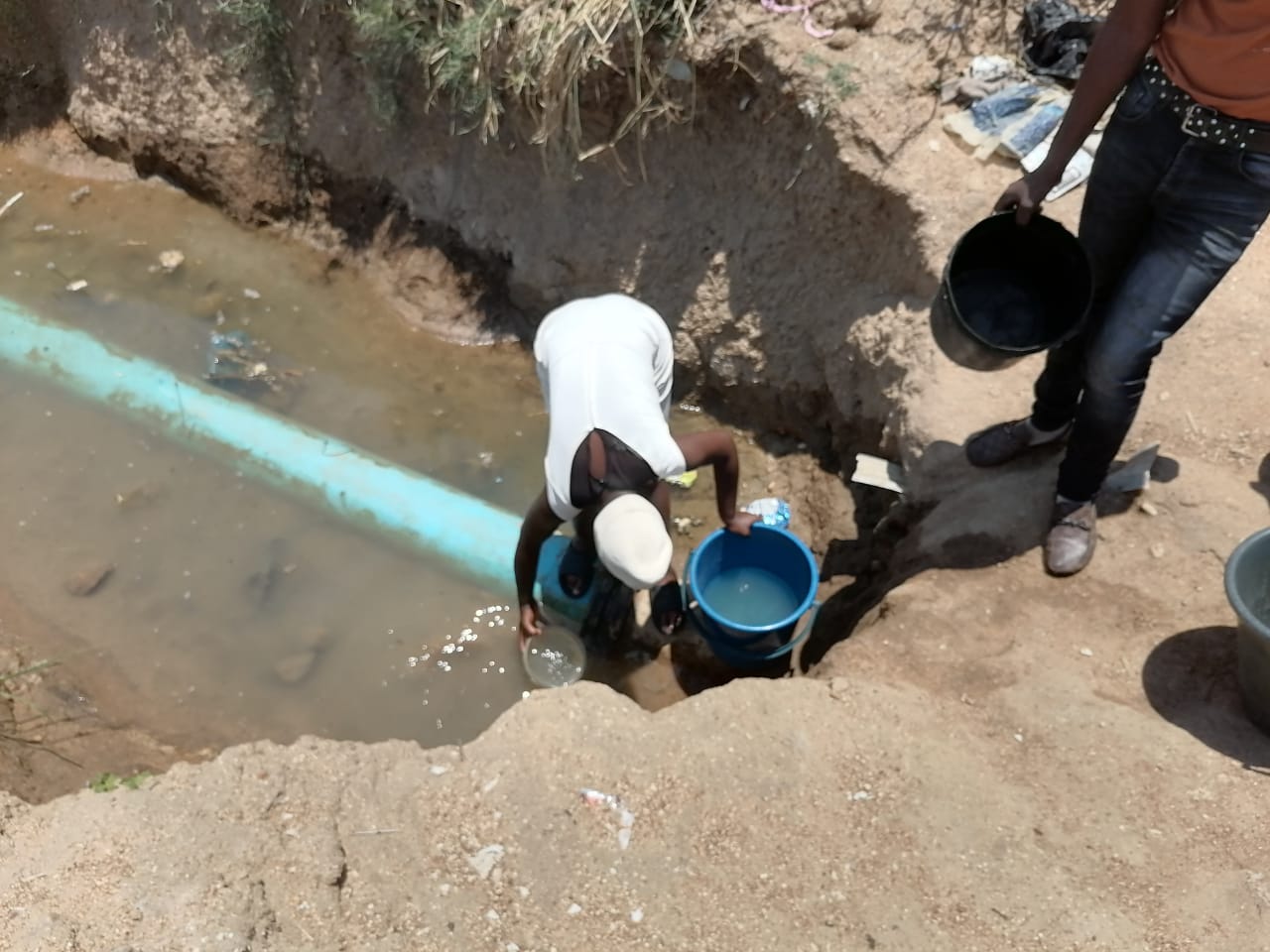
Mthokozisi Ncube
BULAWAYO is on its knees. With taps running dry and rubbish piling up on street corners, residents have turned into their own emergency services as they dig backyard wells and scoop water from burst pipes just to survive. And now, the city’s leadership has finally admitted the crisis is slipping out of control.
This week, Bulawayo Mayor Councillor David Coltart issued a public apology after two weeks of severe water cuts and uncollected garbage, saying the city had failed its people.
“Allow me to apologise to our residents who have had sporadic water while others have not had water for two to three weeks now. We must expedite our short and medium-term water supply strategy,” he said during a full council meeting on Wednesday.
But for many residents, the apology comes long after the damage was already done.
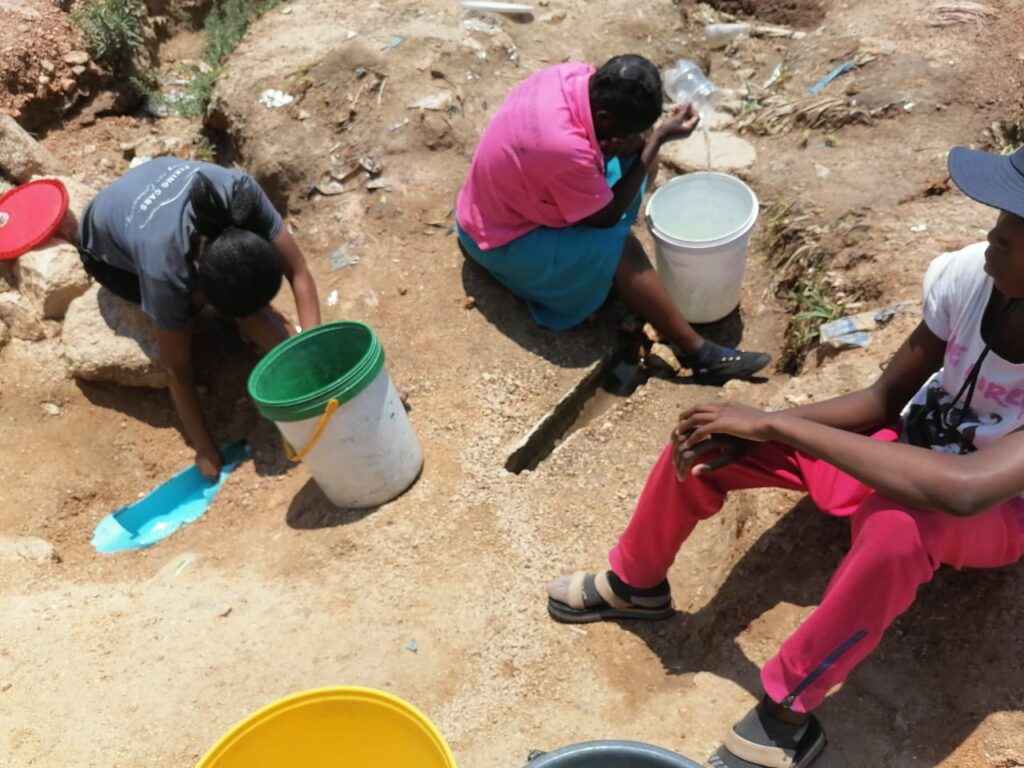
In Luveve, taps have been dry for nearly two years, forcing residents to dig backyard wells. Caroline Mlongoti told B Metro the community now lives “day to day, bucket to bucket”.
“It has come to a point where we must either dig wells or collapse. We are paying water bills for water that never comes,” she said.
One resident, Anna Jongodi, discovered her well by accident when her then five-year-old grandson began digging in the yard with a small hoe.
“He just dug and found water. We expanded the well and now the whole neighbourhood uses it,” she said.
In Magwegwe, residents queue at burst water mains, waiting for leaks to gush before council workers rush to close them.
“We wake up early to catch the water from the pipes. But thieves also come because they know we are desperate,” one resident said.
The city’s water crisis has already proved deadly in the past.
In 2020, Luveve recorded a deadly diarrhoea outbreak that killed 13 people and infected almost 2 000 due to contamination caused by failing water infrastructure. Since then, Cowdray Park, Pumula, Mzilikazi and Tshabalala have battled similar outbreaks.
Residents fear history is repeating itself.
Residents’ associations are sounding the alarm.
Claude Phuti of the Bulawayo Progressive Residents Association warned that the city is “sitting on a health disaster,” blaming failure to maintain old water and sewer systems.
BURA chairperson Winos Dube said the situation has gone beyond inconvenience and should be declared a national disaster.
Meanwhile, the garbage crisis grows.
Cllr Coltart revealed that the four new refuse compactors, which were supposed to restore regular waste collection, are already in service.
“I again apologise and ask residents to be patient,” he said.
He also revealed that the council is engaging Indian experts to fix the city’s failing sewage system, saying their technology may offer a breakthrough.
But for now, the reality on the ground is harsh.
The city is thirsty. The taps are silent. The wells are rising. The rubbish is rotting.
And residents are asking one burning question:
How long must Bulawayo survive itself?