admin
admin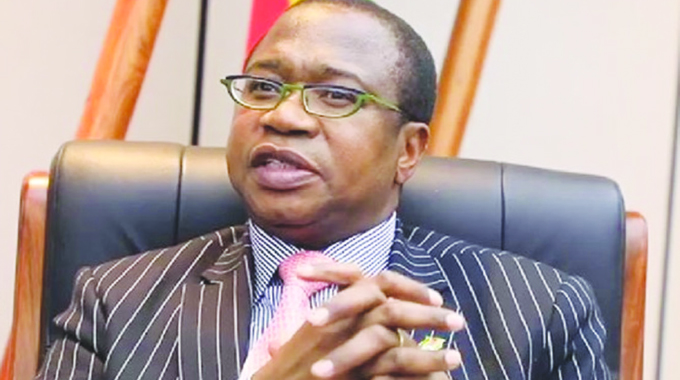
Business Reporter
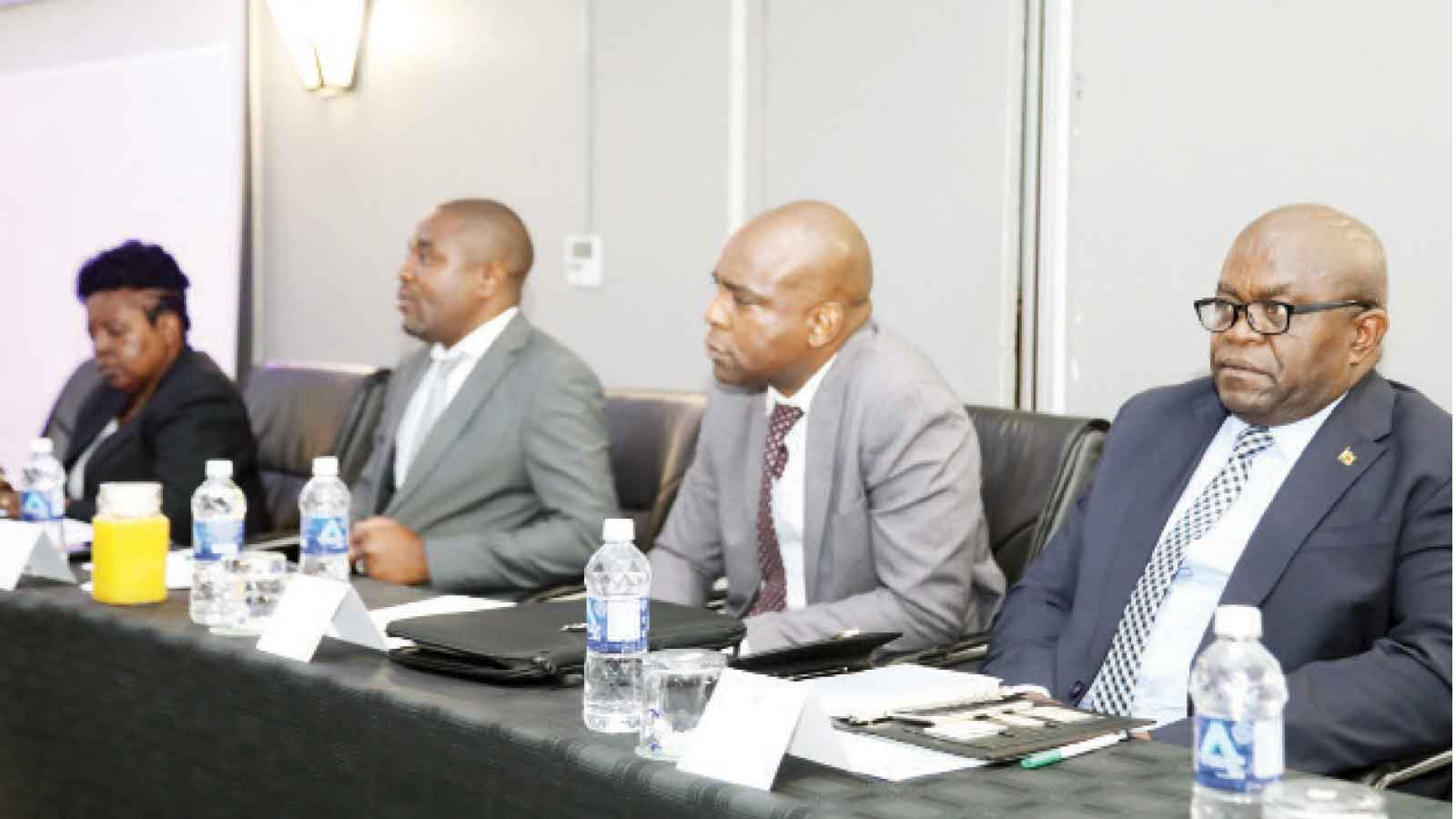
Economic activity in Zimbabwe has accelerated over the last couple of years resulting in the country becoming the fastest-growing economy in SADC over the past three years, the World Bank has said.
World Bank Zimbabwe senior country economist, Mr Victor Steenbergen said at the launch of the Zimbabwe Economic Update yesterday that Zimbabwe’s economy had the fastest growth in SADC in 2021, 2022, and so far, in 2023, where its growth rate is “still higher than in many SADC economies”, except Mozambique.
In 2023, Zimbabwe’s economic growth is estimated at 4,5 percent.
“These growth dynamics were driven by continued expansion in agricultural output due to abundant rains and resilience-building,” reads part of the ZEU released yesterday by the bank.
According to the World Bank, the recent policy tightening has improved Zimbabwe’s macroeconomic stability and the country’s economy has seen a strong rebound since the Covid-19 pandemic. Some of that growth is a result of the rebound of the tourism sector, following the easing of Covid-19-related restrictions.
Higher economic growth rates were also supported by elevated commodity prices last year and this year.
In his opening remarks at the event, Finance, Economic Development and Investment Promotion Minister, Professor Mthuli Ncube, said the findings of ZEU were consistent with what the Second Republic has been reporting regarding the performance of the economy “which has been robust and one of the fastest growing economies in our region”.
“This is probably one of the first times that we have agreed (with the World Bank) on the growth forecasts for 2024,” said Minister Ncube.
Zimbabwe’s potential was, however, not fully exploited having suffered from shocks from the conflict in Ukraine which resulted in supply chain disruptions.
Economic volatility and power shortages also kept the country’s “economic activity below its potential for both 2022 and 2023,” said the World Bank.
Power shortages cost Zimbabwe 6,1 percent of GDP per year according to the World Bank country manager, Dr Eneida Fernades.
However, with the Second Republic putting in place measures to support economic activity, the economic rebound since the pandemic “has helped to bring down the levels of poverty and food insecurity”.
“On the back of the economic recovery and record maize harvests in the 2020/21 agricultural season, the extreme poverty rate fell by 6 percentage points to 43 percent in 2021 and then to 42 percent in 2022.
“The food insecurity rates also dropped from their highs of 2020 and early 2021,” the bank said.
Going forward, the World Bank recommended that fiscal adjustment needs to continue to durably reduce economic volatility.
Zimbabwe’s economic outlook appears moderate, reflecting continued global headwinds, structural bottlenecks, weather-related shocks, and price and exchange rate volatility.
While not much could be done concerning global headwinds such as weaker demand for minerals, continued implementation of economic reforms, including those outlined in the arrears clearance dialogue, would serve to cool down inflation and relieve exchange rate pressures.
The World Bank said addressing price and exchange rate volatility and public debt arrears would be vital in supporting economic growth and job creation.
“Overall, fiscal consolidation will be required to restore fiscal sustainability and economic growth,” reads part of the ZEU.
Tightening of the Monetary Policy would allow inflationary pressures to subside.
While Zimbabwe had been able to maintain robust post-pandemic growth, sustaining such a level of growth would require authorities to continue tackling the country’s macroeconomic issues, the World Bank said.
“To sustain economic growth, Zimbabwe must continue tackling its macroeconomic challenges. Addressing price and exchange rate volatility and public debt arrears will support economic growth and job creation,” said Dr Fernandes.


 Online Reporter