Online Reporter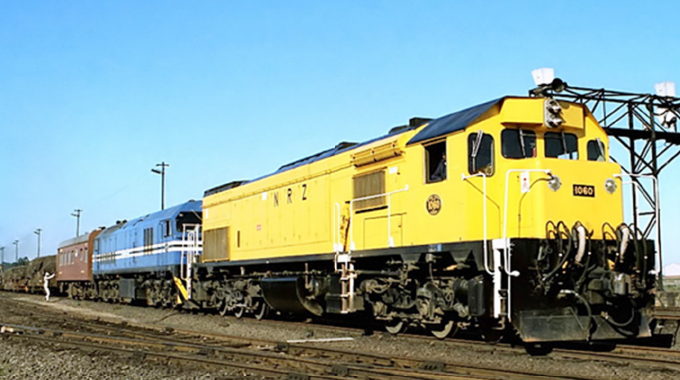
Stephen Mpofu, [email protected]
THE headline quotation above, from a schoolteacher in Rutenga whose village in Mwenezi District lies close to the Bulawayo-Rutenga-Chiredzi railway line, captures the mounting concerns of rural communities.
Potholed roads and the National Railways of Zimbabwe’s infrastructural shortages continue to disrupt long-distance travel, leaving rural travellers especially vulnerable.
An NRZ spokesman, Mr Kunambura, said in Bulawayo two days ago that the parastatal requires subsidies to purchase locomotives, coaches and signalling equipment to restore the railway system.
At present, only the Bulawayo-Victoria Falls passenger train is operational.
The spokesman would not disclose the exact amount needed, and the Ministry of Transportation and Infrastructure Development could not be reached for clarification on measures to restore normal services.
For many rural travellers, NRZ railcars were once the backbone of affordable movement to urban centres. With the system now largely crippled, long journeys have become increasingly difficult.
Buses and private vehicles often charge exorbitant fares or avoid severely potholed routes altogether, forcing travellers to walk long distances or risk being stranded.
Authoritative reports indicate that trucks ferrying heavy loads for import and export are accelerating the deterioration of Zimbabwe’s road network; in some urban areas, potholes appear “strafed by aircraft bombers,” posing a serious hazard to commuters.