Online Reporter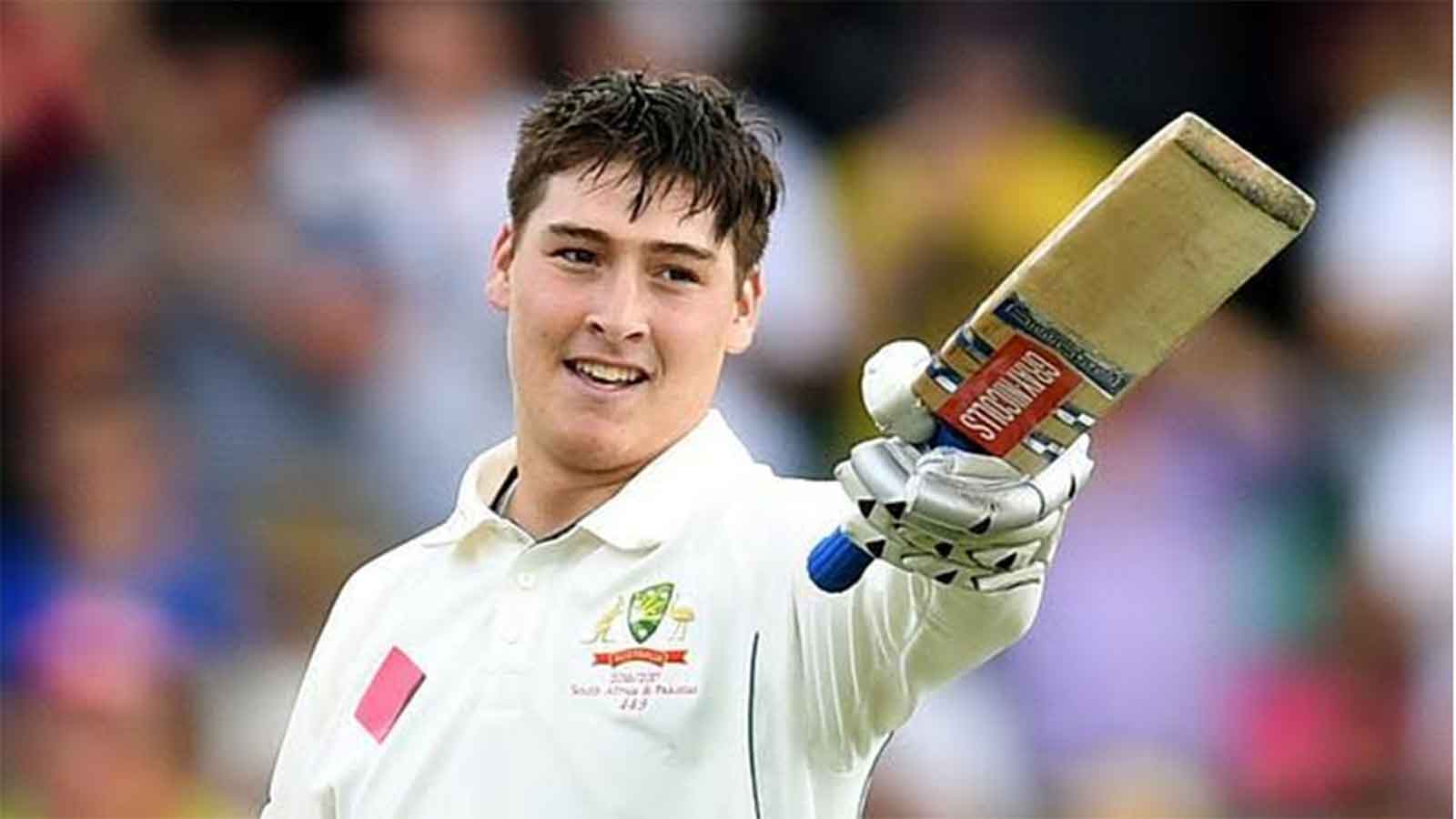
Tinashe Kusema
Zimpapers Sports Hub
ZIMBABWE and Australia might have one of the more lopsided rivalries in cricket, but the Chevrons have a habit of making their rare victories count.
Australia do not lose often to Zimbabwe and when they do, it hurts.
Six months after Zimbabwe helped send the Australians crashing out of the ICC Men’s T20 World Cup, the two teams are about to meet again.
This time, the stage is Harare Sports Club, where the Chevrons will host the reigning ODI world champions in a three-match series on September 15, 18 and 20.
Australia will arrive with one eye on preparations for next year’s ICC Men’s Cricket World Cup and, perhaps, the other on settling an old score.
The World Cup will be staged in Zimbabwe, South Africa and Namibia from October 4 to November 21 next year, making this tour an important fact-finding mission for the Australians.
Yet, before they can look too far ahead, they must face the team that gave them plenty to think about in Colombo earlier this year.
Zimbabwe beat Australia by 23 runs at the R. Premadasa Stadium during the group stages of the T20 World Cup.
The Chevrons posted 169 for two, largely thanks to Brian Bennett’s unbeaten 64, before Blessing Muzarabani took four for 17 and Brad Evans chipped in with three for 23 as Australia were bowled out for 146.
The Australians slumped to 29 for four in pursuit of 170 and never fully recovered.
Matt Renshaw offered the only real fight with 65, but Zimbabwe held their nerve and completed a victory that would eventually have serious consequences for Australia.
A later defeat to Sri Lanka left the Australians on two points.
When Zimbabwe’s match against Ireland was washed out, the Chevrons moved to five, advanced to the Super Eight stage and sent Australia packing.
To rub salt into the wound, Zimbabwe took Australia’s pre-seeded Super Eight place and secured automatic qualification for the 2028 T20 World Cup in Australia and New Zealand.
The fallout in Australia was damning.
Their media turned on the team’s preparations and selection, while former internationals Jason Gillespie and Glenn McGrath questioned some of the decisions made during the tournament.
It was only the second time Australia had failed to progress beyond the group stage of a men’s T20 World Cup.
For Zimbabwe, it was another famous entry in a short but colourful history against the Australians.
The two countries have met 33 times in ODI cricket, with Australia winning 29 matches and Zimbabwe only three.
At the ODI World Cup, they have faced each other eight times. Australia have won seven of those meetings.
The numbers tell a story of Australian dominance, but Zimbabwe’s three victories have all left a bruise.
The first came at Trent Bridge during the 1983 World Cup.
On their first appearance at the global tournament, Zimbabwe stunned Australia by 13 runs in a result that remains one of the greatest moments in the country’s cricket history.
It took another 31 years for the Chevrons to do it again.
That second victory came at Harare Sports Club in 2014, when Zimbabwe chased down 210 to win by three wickets with two overs to spare.
Elton Chigumbura scored an unbeaten 52 and shared a 55-run partnership with Prosper Utseya to carry Zimbabwe home in front of a lively Harare crowd.
Australia had misread the conditions and rested fast bowler Mitchell Johnson, while captain Michael Clarke aggravated a hamstring injury during the match.
The Chevrons had to wait another eight years for their third ODI win over Australia, but it was worth the wait.
Australia had already secured the 2022 series in Townsville when Zimbabwe denied them a clean sweep by bowling them out for 141.
It was Australia’s lowest ODI total against Zimbabwe and the first time in 33 meetings that the Chevrons had taken all 10 Australian wickets.
Ryan Burl did most of the damage, taking five wickets for 10 runs in three overs, including the final five wickets in the space of 18 balls.
Regis Chakabva then scored 37 from 72 deliveries to guide Zimbabwe home with three wickets to spare.
Australia still won the series 2-1 and Mitchell Starc became the fastest bowler to reach 200 ODI wickets that day, but Zimbabwe had the last laugh.
Their T20 World Cup history carries a similar theme.
Zimbabwe have met Australia twice at the tournament, in 2007 and 2026, and won both matches.
The latest victory did more than provide another upset. It helped end Australia’s World Cup campaign and ensured that this month’s reunion in Harare would come with a little more spice than the usual bilateral series.
Australia have since named a strong squad for their tour of Southern Africa, which also includes three ODIs and three Tests against South Africa.
The six ODIs are being treated as an early rehearsal for next year’s World Cup, which Australia will enter as defending champions.
Mitchell Marsh will captain the side in Zimbabwe, with Travis Head and Josh Hazlewood among the biggest names heading to Harare.
Pat Cummins and Mitchell Starc will join the squad for the South African leg, where Marsh and Cummins are expected to share the captaincy duties depending on how many matches the latter plays.
Marnus Labuschagne is the biggest casualty after being dropped for both ODI series.
The Australian batter struggled during the tours of Pakistan and Bangladesh in June before scoring an unbeaten 55 after being moved down the order.
However, with Head and Marsh returning to the ODI setup and the selectors showing faith in some of the younger players, Labuschagne has been squeezed out.
New South Wales all-rounder Joel Davies is in line for an ODI debut after impressing during the T20I series against Bangladesh, while left-handed batter Ollie Peake has also been given the nod.
Australia have bolstered their pace stocks with Spencer Johnson and Billy Stanlake.
Johnson played the most recent of his five ODIs in early 2025 and only recently returned to the T20I side after a lengthy injury layoff.
Stanlake was part of the squad that toured Pakistan and made his first international appearance in more than seven years in Rawalpindi, although he went wicketless in his only match of the series.
Zimbabwe, meanwhile, are in Namibia, where coach Justin Sammons has been using the tri-series against the hosts and South Africa to get his players ready for Australia’s visit.
The Chevrons squeezed into today’s final after South Africa beat Namibia by 11 runs on Friday.
The Proteas finished top of the round-robin standings with six points, while Zimbabwe had four and Namibia two.
Sammons accepts that the shift from T20 to 50-over cricket presents a different challenge, but believes the matches in Namibia have at least given his players some valuable time in the middle.
“Obviously, the Australia tour is different because that’s 50-over cricket and this is T20, but at least it has given us an opportunity to be match-ready in terms of the intensity needed to obviously match Australia,” he said
“So, from that point of view, it does help. I haven’t had the time to go into too much detail on the Australian squad as we are taking it one day at a time, and now the focal point is the tri-series.
“However, they look to have assembled a very good and strong squad, and it’s going to be a great challenge when we face them.
“We’ll try our best to prepare for them and see how it goes.”
Australia chairperson of selectors George Bailey said the six ODIs in Zimbabwe and South Africa were an important part of the team’s World Cup planning.
“This six-game series is an important lead-in to next year’s World Cup, being played in the same countries, for the group,” said Bailey.
“As such, it’s great to have Mitch, Travis Head and Josh Hazlewood returning. Pat Cummins and Mitch Starc will join the team for the South Africa leg.
“This gives us our core of players mixed with some we think will continue to make an impression.
“For Oliver Peake and Joel Davies, who we rate very highly, it’s another fantastic opportunity and a further chance for them to continue their exposure and growth in the Australian team.”
Australia will be favourites when the first ball is bowled at Harare Sports Club.
History says they should win.
It also says Zimbabwe only need one good day to give them another result they will not forget.
Australia ODI squad for Zimbabwe and South Africa
Xavier Bartlett, Alex Carey, Cooper Connolly, Pat Cummins (South Africa only), Joel Davies, Nathan Ellis, Cameron Green, Josh Hazlewood, Travis Head, Josh Inglis, Spencer Johnson, Mitchell Marsh, Oliver Peake, Matthew Renshaw, Billy Stanlake, Mitchell Starc (South Africa only), Adam Zampa.