

 admin
admin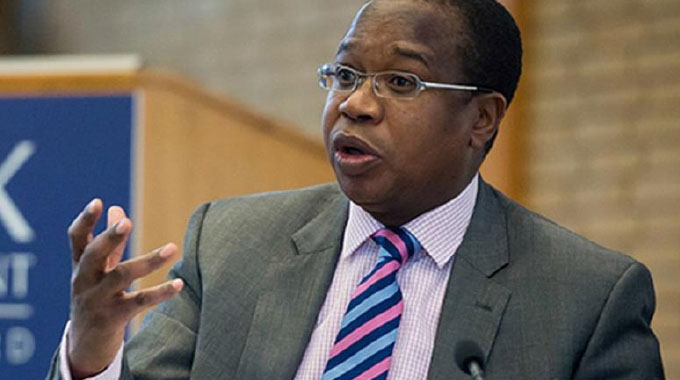
Farirai Machivenyika-Senior Reporter
THE need for viable tariffs by independent power producers is one of the legitimate concerns of these investors and Government will be addressing this, the Minister of Finance and Economic Development, Professor Mthuli Ncube, said yesterday.
Addressing a post-Budget seminar in Harare, Prof Ncube said Government had the concerns of IPPs on board and was moving to address them to ensure increased generation of power.
Representatives of industry and commerce and Government officials attended the seminar and the question of alleviating power shortages was high on the agenda, with the need to encourage private investment in power stations seen as critical to match Government efforts to expand generation.
The Zimbabwe Energy Regulatory Authority has licensed over 50 independent power producers, and while 30 of them are operational, just over half are small operations designed to meet the in-house needs of the company building the station, rather than to generate power for the grid.
“Maybe we as Government need to open up more on allowing independent power producers to come in. I won’t mention the country, but we are importing power from this country which is one of our neighbours and I noticed that the contribution of their independent power producers has gone up. So basically as Zimbabwe we are supporting their IPPs instead of our own,” said Prof Ncube.
“So I was saying we as Government we need to move forward faster on allowing more IPPs to come in because we know what they want.
“They want a Government guarantee; they want a good tariff, of 10,36 US cents/kWh and they want currency convertibility for their proceeds.
“I think we should move faster as Zimbabwe and accommodate them and support the whole economy in terms of power production. We will accelerate the process, I assure you.”
The country needs to generate at least 1 850MW of electricity but is failing to meet the demand due to a range of factors that include low water levels at Kariba and old equipment at Hwange.
The coming on board of the new Hwange Power Station Units 7 and 8 is expected to add 600MW to ease the current shortage.



 Online Reporter