Online Reporter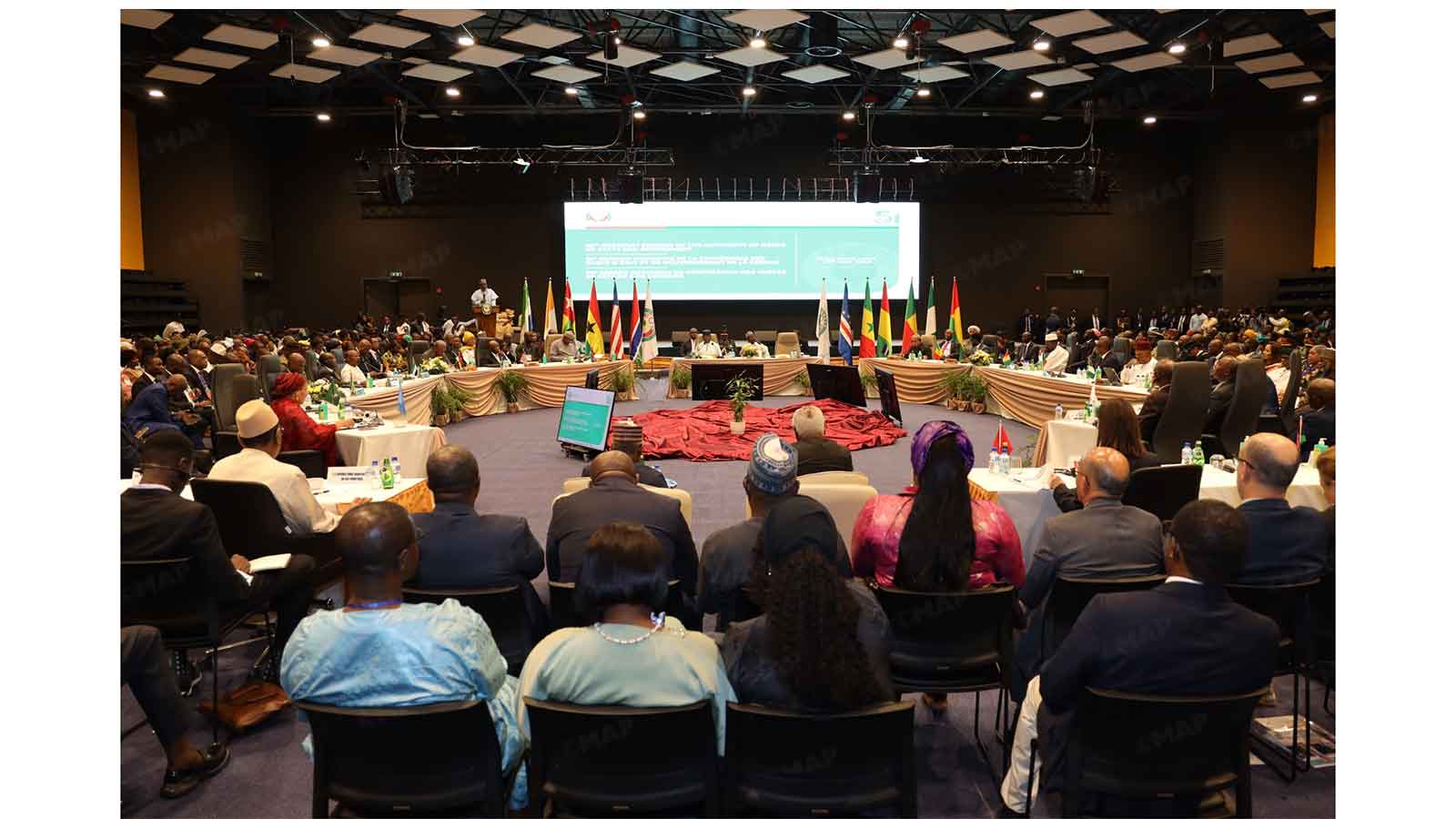
WEST African leaders have signed a landmark agreement to advance the US$27 billion Nigeria-Morocco African-Atlantic Gas Pipeline, a mega infrastructure project that is expected to reshape the continent’s energy map while underscoring Africa’s growing appetite for regional integration.
The Intergovernmental Agreement (IGA), signed on Sunday during the Economic Community of West African States (ECOWAS) summit in Freetown, establishes the legal and institutional framework required to move the long-awaited project towards implementation.
“We have signed the agreement on the West Africa–Morocco gas pipeline. Do not be surprised when the gas reaches you,” ECOWAS chair and Sierra Leone President Julius Maada Bio said as he announced the development.
Known as the Nigeria-Morocco Gas Pipeline (NMGP), the project is expected to cost an estimated US$27 billion and will stretch approximately 6,000 kilometres along Africa’s Atlantic coastline.
It will transport Nigerian natural gas through 13 countries before reaching Morocco and eventually connecting with European markets.
Analysts say the pipeline could become one of the most consequential infrastructure projects ever undertaken on the continent, creating a new economic corridor linking West Africa, the Sahel and Europe.
According to a joint statement issued by Morocco’s Office National des Hydrocarbures et des Mines (ONHYM) and the Nigerian National Petroleum Corporation (NNPC), the project aims “to connect West Africa’s gas resources to the region’s main centres of consumption, while strengthening the integration of African energy markets and creating a new development corridor linking West Africa, the Sahel states, Morocco and Europe.”
The agreement signed in Freetown marks the latest milestone in a project first proposed by Morocco’s King Mohammed VI during a state visit to Abuja in 2016 as Rabat sought to deepen its economic partnerships across Africa.
Since then, the initiative has evolved from a diplomatic vision into a strategic undertaking jointly championed by ONHYM and NNPC Ltd.
“This important step taken in Freetown comes ahead of the next stages of the project’s launch,” the joint statement said.
Those next steps include establishing a project management company in Casablanca and a Pipeline Higher Authority in Abuja to oversee governance, financing and implementation before investors are brought on board and preparations begin for a final investment decision.
Construction is expected to begin in 2028, with the first gas deliveries targeted for 2031, according to a source at ONHYM.
The project arrives at a moment when governments across the continent are grappling with chronic energy deficits, rising populations and mounting pressure to industrialise. More than 600 million Africans still lack access to electricity, according to international energy estimates, while demand for reliable and affordable energy continues to grow.
“The African Atlantic gas pipeline will make a lasting contribution to strengthening energy security, accelerating industrialisation, supporting the development of Africa’s natural resources and promoting shared prosperity,” said Amina Benkhadra, Director General of ONHYM – Online.