

 Online Reporter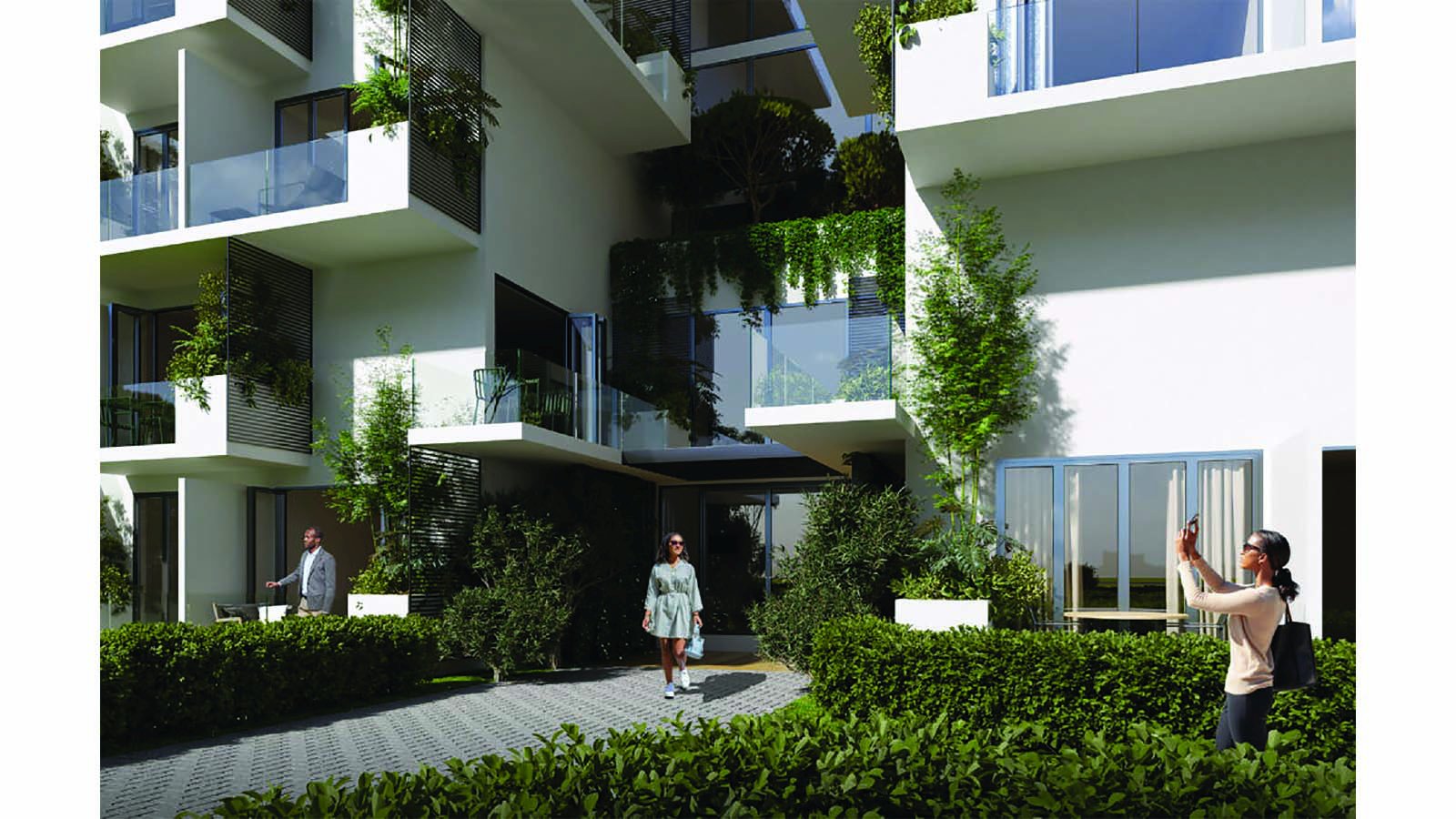
Michael Tome
Business Reporter
Property developer WestProp Holdings has unveiled plans for a large-scale “Eco City” in Chivhu, marking its first major expansion outside Harare and signalling a strategic shift toward nationwide real estate development.
An eco-city is a human settlement designed to minimise environmental impact by following natural ecosystem principles, focusing on sustainability, renewable energy, and a high quality of life.
Located 15 kilometres from Chivhu town, the proposed development will span approximately 5 000 hectares. It combines residential, tourism and conservation elements in what the company describes as an integrated “lifestyle community.”
WestProp holds an ambitious vision to lay one billion bricks for property developments in Zimbabwe by 2050.
This initiative aims to create sustainable, “Dubai-style” communities that stimulate economic growth by generating US$5 billion in lasting value and significant employment.
While the company initially focused these targets on the capital, where over 90 million bricks have already been laid, the Chivhu project broadens that horizon.
Currently, WestProp is driving several high-end “live, work, shop, and play” mixed-use developments in Harare, primarily focusing on gated communities and apartment complexes in the northern suburbs. Key projects include Pomona City, the luxury Hills Golf Estate, Pokugara Residential Estate, and Millennium Heights.
WestProp chief executive officer, Mr Ken Sharpe, said the move follows significant progress across the firm’s Harare portfolio, where nine projects are nearing completion.
“We are now in a comfortable position to replicate the model that we have perfected in Harare and take it to other towns. There has been sustained demand from cities such as Kwekwe, Gweru, Masvingo, Mutare, and Bulawayo,” said Mr Sharpe.
The Chivhu project will incorporate roughly 2 000 hectares of private nature reserve and an urban development expected to accommodate up to 20 000 residential units.
Subject to regulatory approvals, the project may include a wildlife sanctuary featuring the “Big Five.”
It will also include tourism facilities and social infrastructure — such as schools, healthcare centres, and recreational amenities — positioning the area as both a residential and tourism hub.
“We want residents to live in a space that combines nature, clean air and modern infrastructure, creating a balance between urban and rural living,” Mr Sharpe added.
While the total project value is yet to be finalised, initial estimates indicate an investment running into hundreds of millions of US dollars. Like WestProp’s Pomona City development in Harare, the Chivhu site is targeting 20 000 housing units.
The project will require significant upfront capital, as the developer will be responsible for core infrastructure, including roads, water, sewer systems and electricity.
“There are no existing services on-site, so we will need to provide everything ourselves. This is a major commitment and requires thorough feasibility studies,” Mr Sharpe noted.
A team of consultants is already conducting market research and town planning, with execution expected to begin in the third quarter of 2026.
Despite being in its early stages, the project has generated strong market interest, driven largely by WestProp’s financing model.
The company is offering long-term mortgage facilities of up to 30 years — significantly longer than typical offerings in the Zimbabwean real estate industry.
Beyond Chivhu, WestProp is finalising plans for a new residential development in Bulawayo and is participating in the construction of Zimbabwe Mall.
The company plans to expand into at least three additional Zimbabwean towns by year-end, with regional expansion into other African markets targeted over the next five years.
Mr Sharpe emphasised the importance of currency stability in enabling long-term financing, calling for clear policy direction on the use of the US dollar.
He noted that removing uncertainty would boost investor confidence and unlock capital flows, particularly from the diaspora.
“If structured properly, diaspora investment could become one of the largest sources of capital for the economy,” he said, noting that even modest annual investments from Zimbabweans abroad could unlock billions for domestic development.
The Eco City project represents one of the most ambitious private-sector real estate initiatives in Zimbabwe to date, blending housing delivery with tourism and environmental conservation.



