

 Online Reporter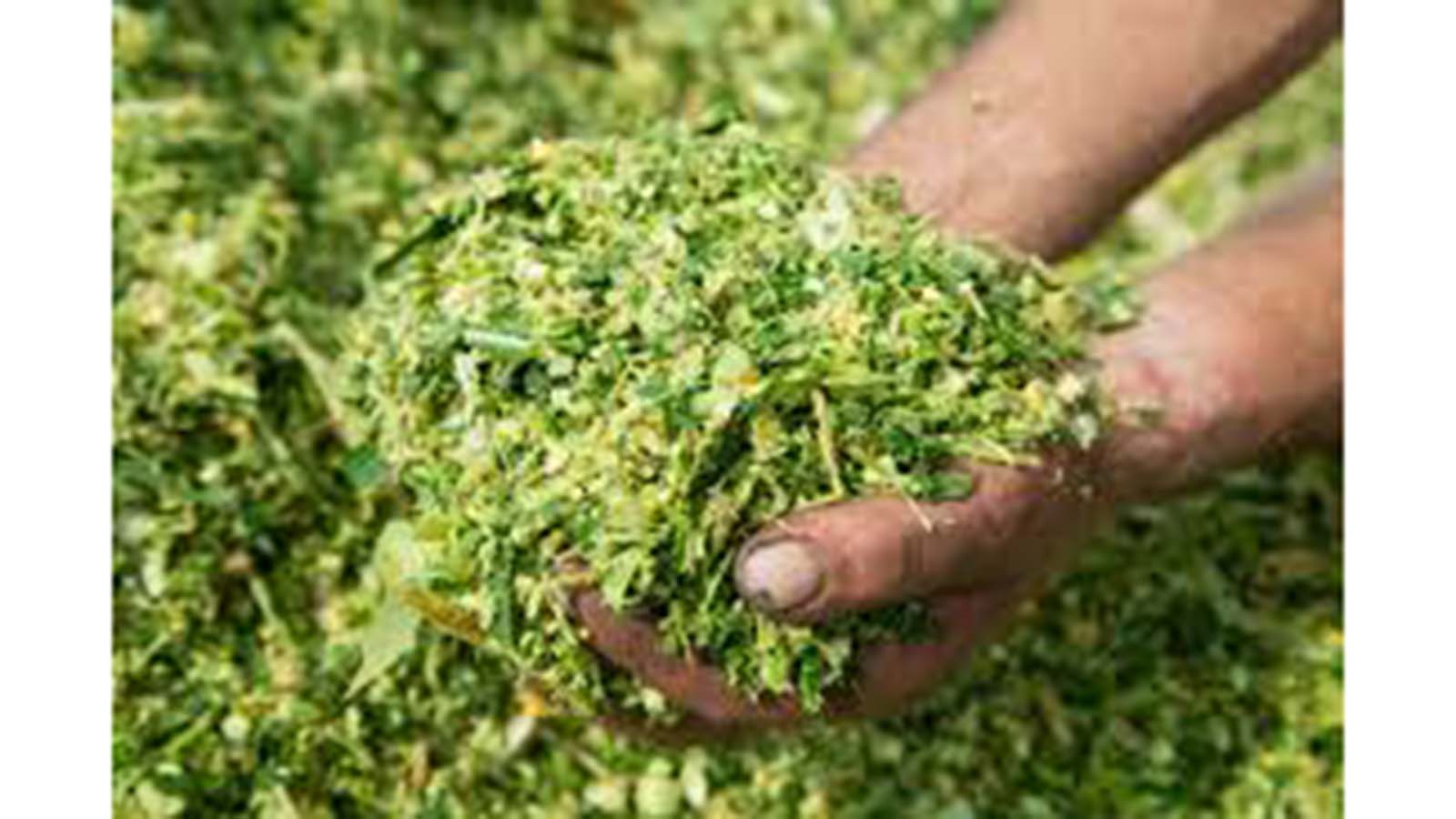
Edgar Vhera
Specialist Writer – Agribusiness
Dairy farmers have been advised to ensure timely vaccinations, strategic deworming and conserve surplus forage as hay or silage as part of efforts to protect herd health and boost milk production.
This comes as the country is this year expected to achieve milk self-sufficiency from local production.
The sector recorded a 129 percent growth in milk production from 66 million litres in 2017 to 155 million litres last year.
Speaking at the International Dairy Federation (IDF) Regional Dairy Conference Africa 2026 held recently in Victoria Falls, Lands, Agriculture, Fisheries, Water and Rural Development Minister Dr Anxious Masuka said the country was now on course to attain self-sufficiency in milk production from this year.
“Zimbabwe produced 155 million litres of milk in 2025, with 121 million litres being for commercial production and the balance being produced for home consumption,” he said.
“Zimbabwe has made significant progress in revitalising the dairy sector, guided by deliberate policy reforms and strategic investments.”
The country requires 131 million litres of commercially produced milk for self-sufficiency per annum.
Zimbabwe Association of Dairy Farmers (ZADF) national chairman, Mr Edward Warambwa, said to achieve self-sufficiency, dairy farmers should act promptly to protect herd health and milk production.
“Dairy farmers need to repair water points and harvest rainwater, stock essential feeds and supplements now, as prices are still reasonable.
“There is also need to prioritise feeding for high-producing and breeding cows, balance rations with conserved forage plus energy and protein supplements, and provide mineral blocks to prevent deficiencies,” he said.
Mr Warambwa said there was need to maintain herd health through timely vaccinations and strategic deworming.
“Foot care through hoof trimming and mastitis prevention needs to be attended to as the wet season may have subjected the dairy animals to factors leading to mastitis,” he said.
“Monitor body condition to feed accordingly, where poorly conditioned cows can be managed separately or deferred from breeding.”
There is also need to use rotational grazing to rest paddocks and build residual forage, consider cut and carry or fodder banks for critical periods, and plant or source drought-tolerant legumes for future resilience.
Producers should also ensure calves receive good colostrum, shelter with all milking equipment maintained to avoid losses.
“Finally, there is need to budget for the coming season, create a contingency fund for emergencies, work with local veterinary and extension officers for technical support, and explore group purchasing or shared resources with neighbouring farmers to reduce costs and secure supplies,” he added.
Grasslands Research Institute livestock research officer, Mr Marlon Chawarika, concurred that farmers should observe their animals closely and act before the condition is lost.
“By securing your forage, managing water quality and maintaining a robust health protocol, a farmer can maintain steady production figures regardless of the season,” he said.
“For April to May, week one, farmers are encouraged to assess forage stocks (silage/hay) against projected demand and buy in shortages now.
“Week two is focused on assessing body condition score for the entire herd, where lean cows are separated for preferential feeding.
“Under week three, producers need to check and repair all water troughs and pumps and clean out sediment, while in week four, there is need to administer de-worming and fluke remedies as well as introduce winter licks,” he said.
Mr Chawarika said dairy farming was a business of margins, with the dry season described as the ‘high cost’ season.
“Review your cash flow. Can you afford to carry unproductive animals? Now is the time to cull,” he said.
“Cows with chronic mastitis, poor fertility or old age should be culled while beef prices are still reasonable, before the market is flooded with communal cattle in late winter. Use the proceeds to secure high-quality feed for your productive core herd.”



