Online Reporter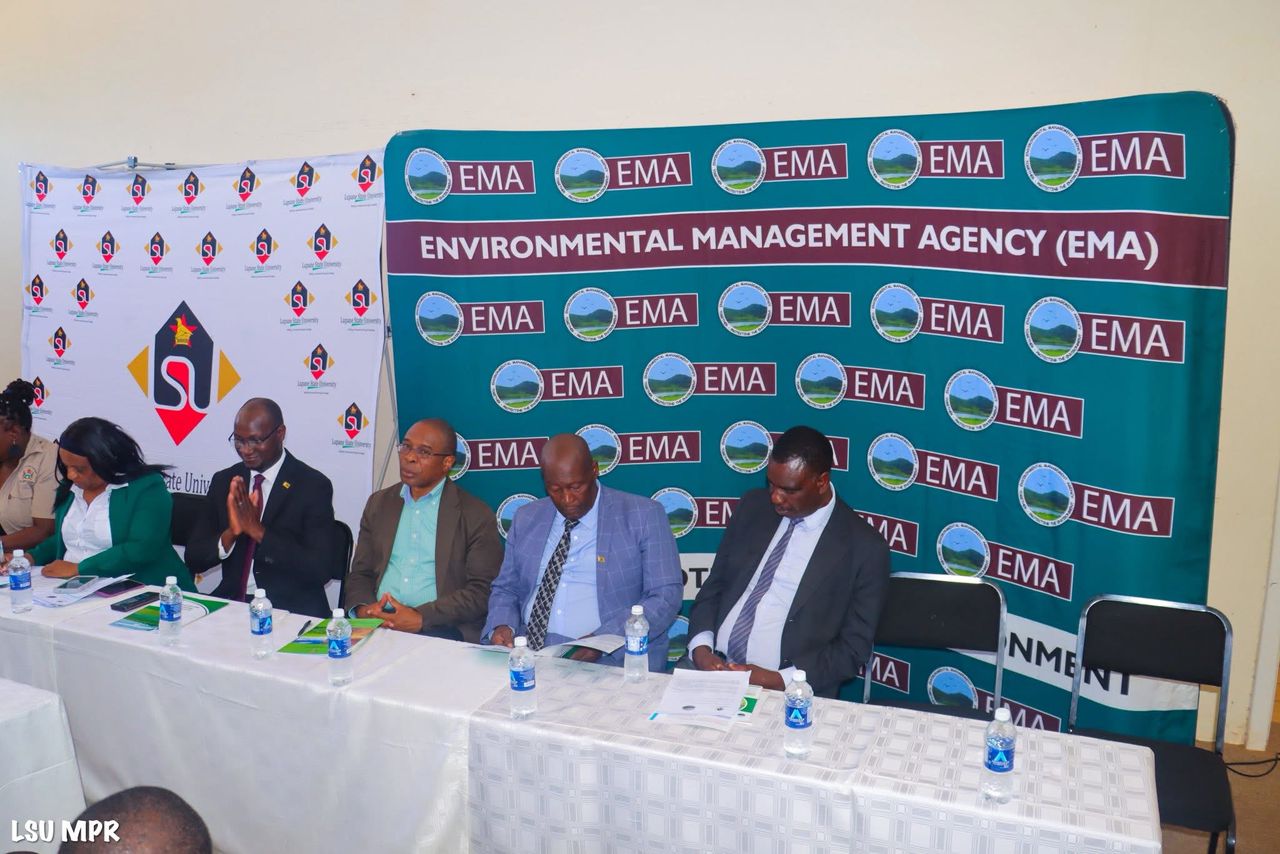
Rutendo Nyeve, [email protected]
A concerted effort to restore degraded wetlands in Matabeleland North is yielding transformative results, directly sustaining communities and revitalising local ecosystems.
This success story emerged at the Provincial World Wetlands Day Symposium held at Lupane State University on Wednesday, hosted by the Environmental Management Agency (EMA).
The symposium highlighted the Kasibo wetland restoration project as a flagship example.
Once a degraded area on the brink of ecological collapse, Kasibo has been rejuvenated into a perennial water source, directly supporting agriculture and livestock in the face of severe drought.
EMA Matabeleland North Provincial Manager, Mrs. Chipo Mpofu-Zuze, detailed the community-led journey.
“We sat down with the communities and said we have identified this wetland, but unfortunately it is not being well taken care of. Do we agree that we move out of the core, protect it, and see what comes out of it? They agreed,” she said.
The results were dramatic.
“Two to three years later, water could flow throughout the year. When we went in, there was just a small pond of water. But now, it’s a two-hectare forested area. What happened is because of the wetland and its discharge capabilities, the two dams downstream are now filling up; they do not only fill up, they spill over,” she said.
She emphasized the wetland’s multiple natural functions: absorbing sediment-laden runoff from fields and discharging clean water, recharging groundwater, and rejuvenating the entire riverine system.
This ecological revival had a profound human impact during the devastating 2023-24 drought.
“The entire ward was dry. All wells were dry except the one that is near the wetland. So they continued to cultivate, they continued to get water for their livestock and for domestic use, to the extent that other villages came to seek assistance. What they did is they cut down on what they are cultivating so that they can allow their neighbors to get water for their livestock. A wetland is drawing communities and it’s knitting them together,” she said.
Mrs Mpofu-Zuze also connected the project’s success to cultural preservation, noting that the wetland was historically revered.
“They had a strong belief that that area is where the spirits rest and get their water. That cultural belief has meant most of those wetlands we know were preserved,” she said.
She urged a return to such values.
“In as much as we say cultural beliefs are old-fashioned they (Western societies) are also fighting to try and reverse back. Let’s try to be proud of what we are,” she said.
The Kasibo story, as presented at the symposium, is an example of how ecological restoration, rooted in community partnership and cultural wisdom, can forge resilience, sustain livelihoods, and restore the natural vitality of the region.


 Bongani Ndlovu