admin
admin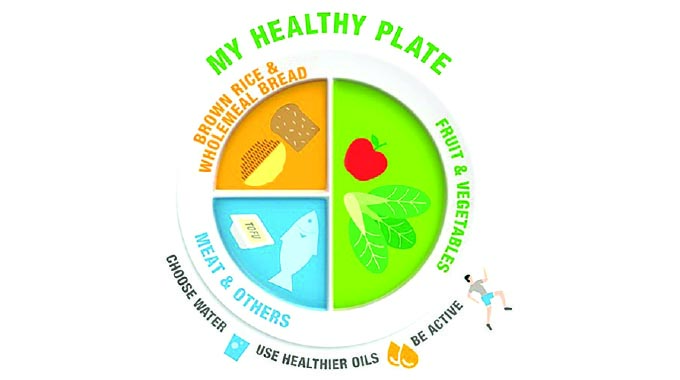
Coach Kelly
Fitness Correspondent
You are what you eat.
The food you eat has a profound impact on your health, both physical and mental.
If you want to reach your health goals, it’s essential to maintain a healthy diet. A healthy diet is one that is rich in fruits, vegetables, whole grains, lean protein, and healthy fats.
These foods provide your body with the nutrients it needs to function properly and stay healthy.
On the other hand, a poor diet can lead to a number of health problems, including weight gain, obesity, heart disease, stroke, type 2 diabetes, and some types of cancer.
If you’re serious about reaching your health goals, it’s time to change your diet.
Start by making small changes, such as adding more fruits and vegetables to your meals or choosing whole-grain bread instead of white bread.
Less snacking, avoiding sugary and fatty foods. As you make these small changes, you’ll start to feel better and you’ll be on your way to reaching your health goals.
Here are a few reasons why a healthy diet is essential for your goals:
Weight loss: If you’re overweight or obese, losing even a small amount of weight can have a big impact on your health.
Studies have shown that losing even 5-10 percent of your body weight can improve your blood pressure, cholesterol levels, and risk of heart disease, stroke, and type 2 diabetes.
Improved mood and energy levels: Eating a healthy diet can help to improve your mood and energy levels.
Studies have shown that people who eat a healthy diet are less likely to suffer from depression and anxiety, and they tend to have more energy throughout the day.
Stronger immune system: A healthy diet can help to keep your immune system strong, which can help you fight off infection and illness. Studies have shown that people who eat a healthy diet are less likely to get sick, and when they do get sick, they tend to recover quicker.
Reduced risk of chronic diseases: Eating a healthy diet can help to reduce your risk of developing chronic diseases such as heart disease, stroke, type 2 diabetes, and some types of cancer. Studies have shown that people who eat a healthy diet have a lower risk of developing these diseases.
I have included some low-cost alternatives in brackets for each meal.
Day 1
Breakfast: Oats with berries and nuts (or whole-wheat toast with peanut butter)
Lunch: Baked Beans (or Sugar beans) with brown rice (or lentil soup with whole-wheat bread)
Dinner: Grilled chicken with vegetables only (or sadza with pumpkin leaves and sour milk on the side)
Day 2
Breakfast: Scrambled eggs with avocado toast (or sweet potato with tea)
Lunch: Salad with grilled salmon or fish (or two fruits of your choosing, (ie oranges, apples or bananas) and a rape (or vegetable) sandwich)
Dinner: Chicken stir-fry with brown rice (or sadza, rape and beans)
Day 3
Breakfast: Yogurt with fruit and granola (or peanut butter sorghum (mhunga) porridge)
Lunch: Quinoa bowl with black beans and corn (or salad sandwich (tomato, cucumber, lettuce and bread sandwich, you can add a little cheese or butter if you prefer))
Dinner: Veggie burger on a whole-wheat bun (or sadza with chicken stew (use little to no oil) and vegetables of your choosing.)
Day 4
Breakfast: Smoothie made with fruit, yogurt, and protein powder (or whole wheat toast and baked beans)
Lunch: Tuna salad sandwich on whole-wheat bread or whole-wheat bread and egg sandwhich
Dinner: Roasted chicken with sweet potatoes and broccoli only (or sadza with beef stew)
Day 5
Breakfast: Eggs with whole-wheat toast (or peanut butter sorghum (mhunga) porridge)
Lunch: Turkey/chicken sandwich on whole-wheat bread (or baked beans (or sugar beans) with brown rice.)
Dinner: Whole-wheat pasta with chicken (or sadza remhunga with vegetable (rape) and mushroom stew)
Day 6
Breakfast: Pancakes made with whole-wheat flour and fruit (or whole wheat bread toast with egg)
Lunch: Salad with grilled chicken (or salad sandwich (tomato, cucumber, lettuce and bread sandwich, you may add a little cheese or butter if you prefer)
Dinner: Salmon/fish with roasted vegetables (or sadza with butternut squash, spinach stew and sugar beans)
Day 7
Breakfast: Oatmeal with berries and nuts (or whole-wheat toast with peanut butter)
Lunch: Salad with grilled salmon or fish (or soup with whole-wheat bread)
Dinner: Vegetarian chili vegetables with brown rice (or sadza, rape and beans)
Here are some additional tips for following a weight loss meal plan:
Eat breakfast every day. Skipping breakfast can make you more likely to overeat later in the day.
Choose healthy snacks. Fruits, vegetables, and nuts are all good choices for snacks.
Drink plenty of water. Water helps to keep you feeling full and can also help to boost your metabolism.
Get regular exercise. Exercise is essential for weight loss and overall health. Aim for at least 30 minutes of moderate-intensity exercise most days of the week.
If you are following a weight loss meal plan, it is important to talk to your doctor or a registered dietitian. They can help you create a plan that suits you and can provide you with support and guidance.
Coach Kelly is from Invictus Fitness Centre



 Online Reporter