Zimpapers Politics Hub
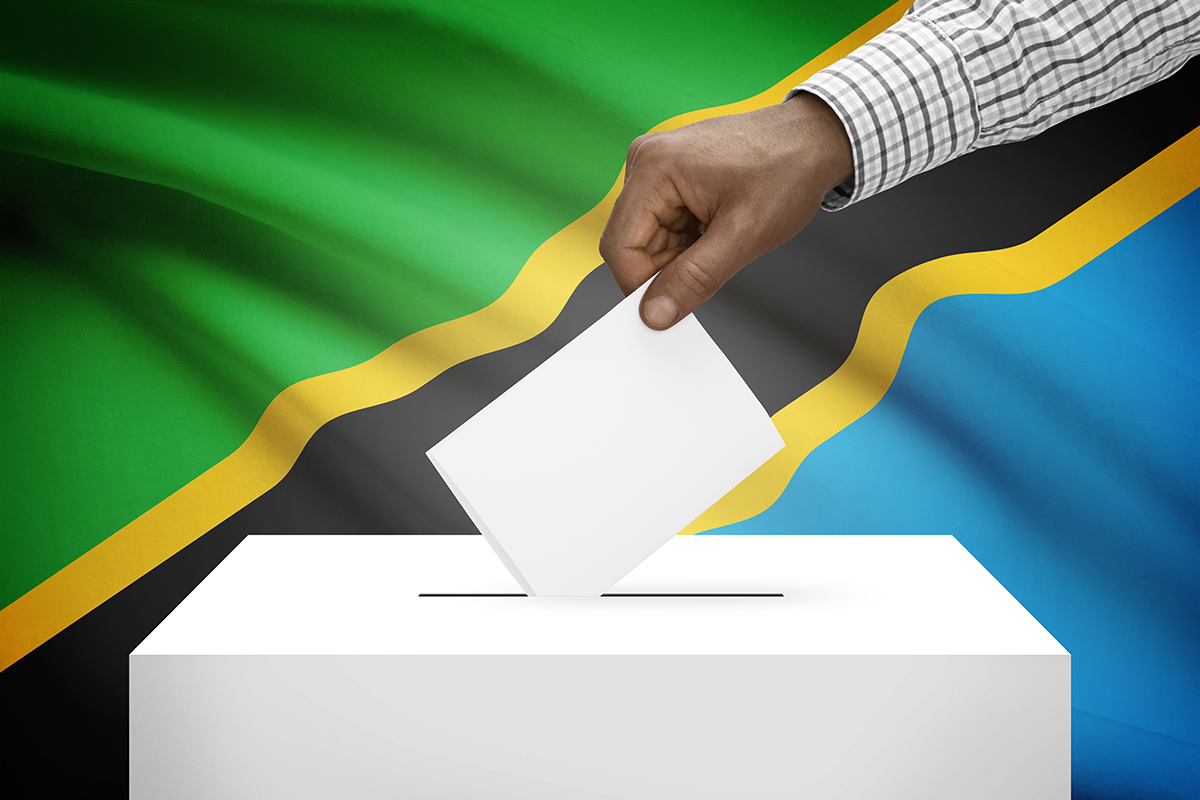
TANZANIANS are voting in a general election on Wednesday, October 29, 2025. Here are six things to watch as East Africa’s largest nation decides:
Electoral System
Tanzania has a first-past-the-post system, with the president and vice president jointly and directly elected via simple majority popular vote. A President serves a five-year term, which is renewable once.
This year’s general election is unique in that the incumbent President Samia Suluhu Hassan is contesting her first presidential election after taking over as president following the death of President John Magufuli in 2021. President Hassan, who is the first woman to lead Tanzania, was Mugufuli’s deputy.
If elected, President Suluhu Hassan will become the first female President of Tanzania to be elected Head of State and Government of the East African country.
Tanzania has a population of 68 million. Tanzania’s Independent National Electoral Commission (INEC) chairperson, Jacobs Mwambegele, on Tuesday said it finalised preparations for the country’s general elections scheduled for Wednesday.
Winners are elected by plurality or simple majority vote – the candidate with the most votes wins. Early voting began in Zanzibar on Tuesday. Authorities declared polling day a public holiday to allow people to vote.
Registered Voters
According to the INEC, 37.6 million are casting votes to elect the president, members of parliament and councillors across Tanzania with 36.65 million voters being in mainland Tanzania and 996,303 in the island of Zanzibar.
INEC said 99,895 polling stations are open for voting nationwide, with voting starting at 7:00 am and closing at 4:00 pm local time. Seventeen political parties have fielded presidential and vice-presidential candidates, while 18 parties are contesting parliamentary and local council seats.
Parliament and Council Candidates
A total of 1, 729 candidates are competing for parliamentary positions while 7, 239 are contesting for councillorship with women representing 32 percent of parliamentary aspirants and 10 percent of council contestants.
For the first time, prisoners serving sentences of up to six months, remand prisoners in mainland Tanzania as well as inmates in Zanzibar’s training institutions are being allowed to vote in the presidential election.
Of the 264 MPs elected directly to represent constituencies, 214 are reserved for mainland and 50 for Zanzibar. Women are allocated 113 additional seats in parliament, are indirectly chosen by their respective parties.
The Presidency
Seventeen candidates and their parties are officially contesting. However, President Hassan of Chama Cha Mapinduzi (CCM) party is the only nationally recognised candidate. The two main opposition parties Chadema party and ACT- Wazalendo (Alliance for Change and Transparency) are not taking part. Major candidates from both parties have also been banned from standing for election for alleged electoral misdemeanours including issuing treasonous statements.
Other presidential candidates on the ballot lack political backing and are unlikely to make much impact on voters. Smaller registered parties rarely garner more than 5 percent of the vote.
Election Issues
Tanzania has made significant strides in building roads, power lines, rail and internet access but there is still a gulf between rural communities and the growing urban population. The country is East Africa’s most populous nation and demographic trends place the country among the fastest-growing populations globally.
History
The CCM has effectively been in power since Tanzania’s independence from Britain in 1961. CCM is regarded as the party of Julius Nyerere, a figure still revered in Tanzania. The party is one of Africa’s liberation era parties still running the affairs of their respective countries.
From 1977 to 1992 Tanzania was a one-party state, with CCM, principally a merger of the Tanganyika National union and the Zanzibari Afro-Shirazi Party.
Opposition Chadema party’s best election result came in 2015 when its presidential candidate, Edward Lowassa, won almost 40 person of the vote, lagging behind President Magufuli’s 58 percent. But the opposition party’s votes shrank to 13 percent in 2020.