Online Reporter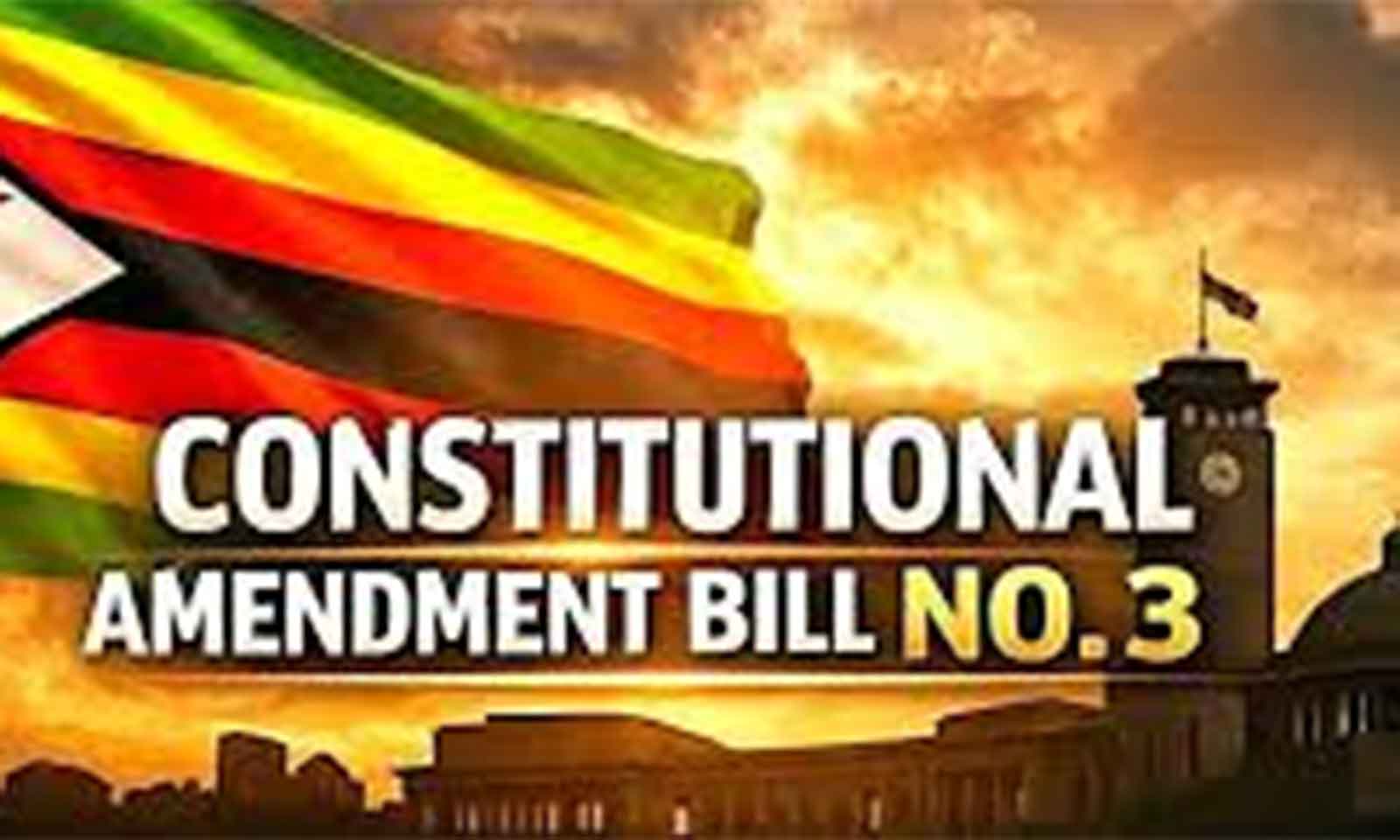
Zimpapers Politics Hub
FOR months, debate over Clause 4 of the Constitution of Zimbabwe (Amendment No. 3) H.B. 1, Bill, 2026 has been dominated by politicians. The discussion has largely revolved around competing political narratives rather than the views of ordinary Zimbabweans.
Opposition parties have argued that extending presidential and parliamentary terms from five to seven years is intended to entrench political power by allowing the ruling party to remain in office longer.
Government and ZANU PF, on the other hand, have maintained that the proposal is not about politics, but governance. Their argument is that five years is too short a period to fully implement national development programmes, with governments spending a significant portion of their term preparing for the next election instead of focusing on delivery.
The debate has been vigorous. Yet it has overlooked one important constituency — the Zimbabwean people themselves.
That gap is now filled by empirical evidence.
Between April 9 and 18, 2026, while Parliament was receiving public submissions on the Bill, the Public Policy and Research Institute of Zimbabwe (PPRIZ) conducted a nationwide public opinion survey to gauge citizens’ views on the proposed constitutional amendments.
The survey interviewed 1 641 adults drawn from a nationally representative sample and carries a margin of error of plus or minus three percentage points.
One of its central questions was straightforward: Do you support or oppose extending the term of office from five years to seven years?
The results present a clear picture.
According to the survey, 51,3 percent of respondents support the proposed extension, while 41 percent oppose it. A further 7,5 percent said they were neutral or undecided.
The margin is not overwhelming. Nevertheless, it represents a national majority in favour of the proposal.
That finding is significant because it challenges the widely repeated claim that Zimbabweans overwhelmingly reject the amendment.
When citizens were asked directly, without political rallies, campaign slogans or partisan interpretations, the majority expressed support for the proposal.
The survey also explored why Zimbabweans may hold that view.
Respondents were asked whether Zimbabwe spends too much time in election mode and too little time governing.
Again, the findings were revealing.
A total of 55,4 percent agreed that the country spends excessive time preparing for elections at the expense of governance.
That response mirrors one of the principal arguments advanced by Government in support of the amendment.
More importantly, however, it is not Government making that case. It is the citizens themselves.
The implication is that many Zimbabweans associate the country’s frequent electoral cycle with disruptions to governance and development.
The survey also examined broader perceptions of Zimbabwe’s political environment.
A total of 61,6 percent of respondents said the country is politically divided. Of these, 35,6 percent described Zimbabwe as “very divided”, while another 26 percent said it was “somewhat divided”.
Similarly, 53,5 percent agreed that political competition surrounding elections contributes to corruption.
Taken together, these findings point to a consistent public perception that prolonged election cycles carry significant political and governance costs.
Supporters of the proposed constitutional amendment argue that a longer electoral cycle would allow Government to devote more time to implementing development programmes while reducing the intensity of perpetual political contestation.
Whether that objective would ultimately be achieved remains a matter for policymakers and future evaluation.
What the survey establishes, however, is that many Zimbabweans recognise the governance challenges associated with frequent elections and appear willing to support a constitutional reform intended to address them.
The findings also shift the debate from political rhetoric to measurable public opinion.
Arguments that the amendment is designed to entrench political power belong to the political arena.
Whether citizens support or oppose the proposal is an empirical question.
The PPRIZ survey provides one answer to that question.
Conducted during Parliament’s public consultation process, it indicates that a majority of Zimbabweans support extending presidential and parliamentary terms from five to seven years.
The survey also found that more than half believe Zimbabwe spends too much time in election mode and that elections contribute to political divisions and corruption.
Those findings do not settle the constitutional debate.
They do, however, ensure that the discussion is informed not only by the voices of politicians, but also by the views of the citizens whose Constitution is under consideration.
For months, political parties have dominated the conversation.
The PPRIZ survey has now added another voice — that of the Zimbabwean electorate.
Whether one supports or opposes the proposed amendment, that voice deserves to be part of the national conversation.