Online Reporter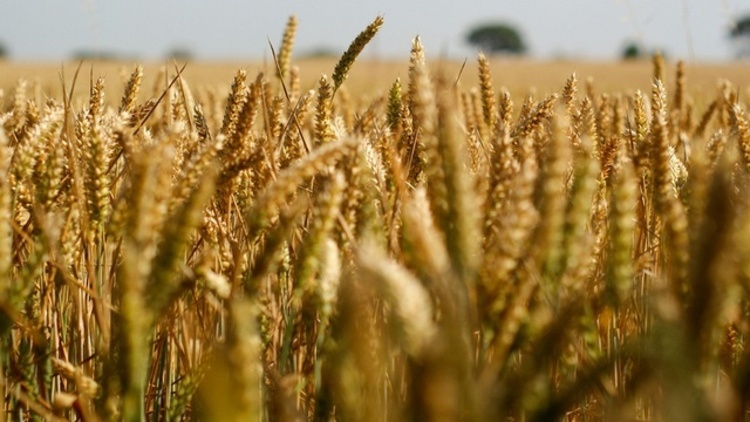
Theseus Shambare
Herald Reporter
FARMERS have kicked off the 2025 winter wheat harvest, recording strong yields ranging from 6 to 7,8 tonnes per hectare, signaling prospects of a very good harvest.
Over 122 000 hectares have been planted nationwide, while mechanisation clusters, pest control measures and irrigation support are in place to ensure a timely and productive harvest.
Harvesting has already started in several provinces. The acting Chief Director for Agriculture and Rural Development Advisory Services (ARDAS) reported that in Masvingo, over 48 hectares have been harvested with yields of 6,1 tonnes per hectare.
In Matabeleland South and Masvingo South, more than 48 hectares at Antelope have produced 7,8 tonnes per hectare, while in Mashonaland Central, harvesting is ongoing with yields averaging over 5 tonnes per hectare.
Farmers have been advised to link with combine harvesters and test grain moisture before delivery to the Grain Marketing Board (GMB) or contractors to avoid losses.
Agriculture and Rural Development Advisory Services (ARDAS) acting chief director, Mr Leonard Munamati, said harvesting is going on smoothly.
“We are pleased to see wheat harvesting begin on such a strong note. Early yields in Masvingo, Matabeleland South, and Mashonaland Central are encouraging and set the tone for a record season,” he said.
Authorities have established 21 mechanisation clusters in key wheat-growing areas, bringing tractors, combine harvesters and other machinery closer to the farmers, allowing for timely and efficient harvesting.
In areas with crops still maturing, pest control has also been heightened. The Government has deployed aircraft, Agras T40 drones, vehicle-mounted sprayers and traditional methods to protect fields from quelea birds, which can cause severe losses if unchecked.
Farmers who spoke to The Herald are optimistic. “We have never seen the machinery and support coming this early. It makes our work easier and ensures we do not lose a single bushel of wheat,” said Ms Esther Makwara, farmer at Craig Gower in Mazowe District.
The 2025 winter season is poised to be the third consecutive year Zimbabwe sets new wheat production records.
Record harvests were previously achieved in 2016 with 375 000 tonnes and again in 2024 with 563 961 tonnes, cementing Zimbabwe alongside Ethiopia as the only two African countries to achieve wheat self-sufficiency.
Readily available flour, a staple ingredient in bread, pasta, and pastries, is expected to keep local market prices stable.
Permanent Secretary for Lands, Agriculture, Fisheries, Water and Rural Development, Professor Obert Jiri, credited the success of the season to strategic government support.
“This year’s crop is promising. Farmers have been adhering to agronomic guidelines and with continued collaboration from government and stakeholders, we are confident of surpassing last year’s milestone,” he said.
He further noted that adequate water reserves and a stable electricity supply for irrigation have been critical to achieving these high yields.
Zimbabwe has confirmed that water levels in 151 major dams were sufficient to irrigate 120 000 hectares of wheat for the next two years, even under drought conditions.
Partnerships with the private sector, including banks and agro-dealers, have also facilitated mechanisation, contract farming, and access to inputs.
From 1969 to 1999, Zimbabwe averaged 250 000 tonnes of wheat annually, with a peak of 325 000 tonnes in 1990.
This year’s projected output of 600 000 tonnes is a significant leap, demonstrating a steady upward trajectory and the country’s capacity to meet domestic demand without imports.
Professor Jiri emphasised that winter wheat harvesting is about more than just production.
“It is about food security, supporting livelihoods and reducing reliance on imports. The coordinated approach with mechanisation clusters, pest control, water and electricity shows our commitment to building a self-sufficient and resilient agricultural sector,” he said.
With harvest in full swing, Zimbabwe is poised to consolidate its position as a leading wheat producer in Africa, protecting the crop, maximising yields and ensuring that the fruits of labour reach every table.