admin
admin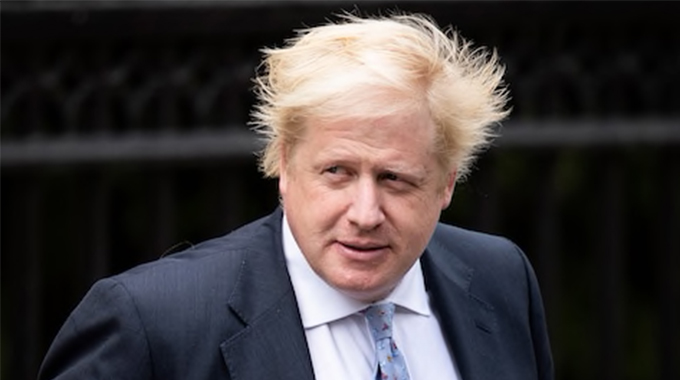
LONDON — Boris Johnson’s plan to hold an early general election before taking Britain out of the EU at the end of October has been thrown into doubt after his government abandoned its bid to block a bill that could force him to delay Brexit until 2020.
After suffering a series of defeats in both Houses of Parliament on Wednesday, the prime minister caved into efforts to filibuster the bill, which is designed to prevent him forcing a no-deal Brexit.
Meanwhile, Johnson’s plan to hold an early election before Britain’s planned exit day from the EU of October 31 risked falling apart after his motion for an early election was rejected by MPs and the opposition Labour party signalled that they were considering forcing him to hold it in November instead.
The developments came as discontent within Johnson’s party grew over his decision to expel 21 senior Conservative MPs from the party, after they backed the delay bill.
The ousted MPs, who included two former chancellors and Winston Churchill’s grandson, are popular figures in the party and Johnson has reportedly been challenged by leading members of his cabinet to repeal their expulsion.
MPs in the House of Commons during a vote on a bill designed to prevent a no-deal Brexit in October.
MPs in the House of Commons during a vote on a bill designed to prevent a no-deal Brexit in October.
Doubts among Conservative MPs about Johnson’s strategy grew after Parliament voted on Wednesday to approve a bill proposed by Labour MP Hillary Benn which would force the prime minister to seek a Brexit delay until January 31 if he is unable to secure a deal before the middle of October.
While Brexit-backing Conservative peers initially tried to disrupt the bill’s passage through the House of Lords, the government was forced to accept that their attempts had failed and an agreement struck between all sides in the early morning meant that it should pass through the chamber by Friday afternoon, where it will return to the Commons before receiving approval.
While there are still some fears among the rebels that Downing Street could try and renege on its commitment to let the bill pass, it appears all but certain that the legislation will be forced through.
It represents a significant victory for opposition MPs and the handful of formerly Conservative MPs who were kicked out of the party for supporting the plan.
The group was determined to prevent Johnson from forcing a no-deal Brexit without the consent of parliament on October — which he had repeatedly threatened — and he now appears certain to be required to seek a delay then if he is still in office.
One senior minister suggested that Johnson would resign as prime minister rather than request a delay.
“Make no mistake. The prime minister will resign,” the minister told the Times.
Johnson’s response to the bill’s passage through the Commons earlier was to call again for a general election, with Downing Street insisting that blocking no-deal had wrecked the UK’s negotiating position with the EU.
However, Labour MPs, who are wary of a trap and of agreeing to a snap poll on Johnson’s terms failed to vote in favour of the election motion, meaning it was rejected.
A Downing Street source indicated that the government would ask parliament again next week to approve an October 15 election.
“If Labour’s position is that they’re just waiting for the bill to get sent, the most straightforward route is to bring back the FTPA [election vote] next week,” the source said. — Al Jazeera


 Online Reporter