Online Reporter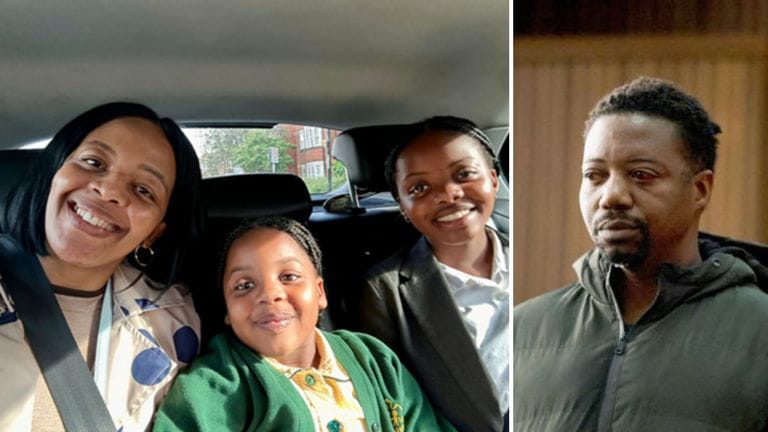
Bruce Ndlovu, Sunday Life Reporter
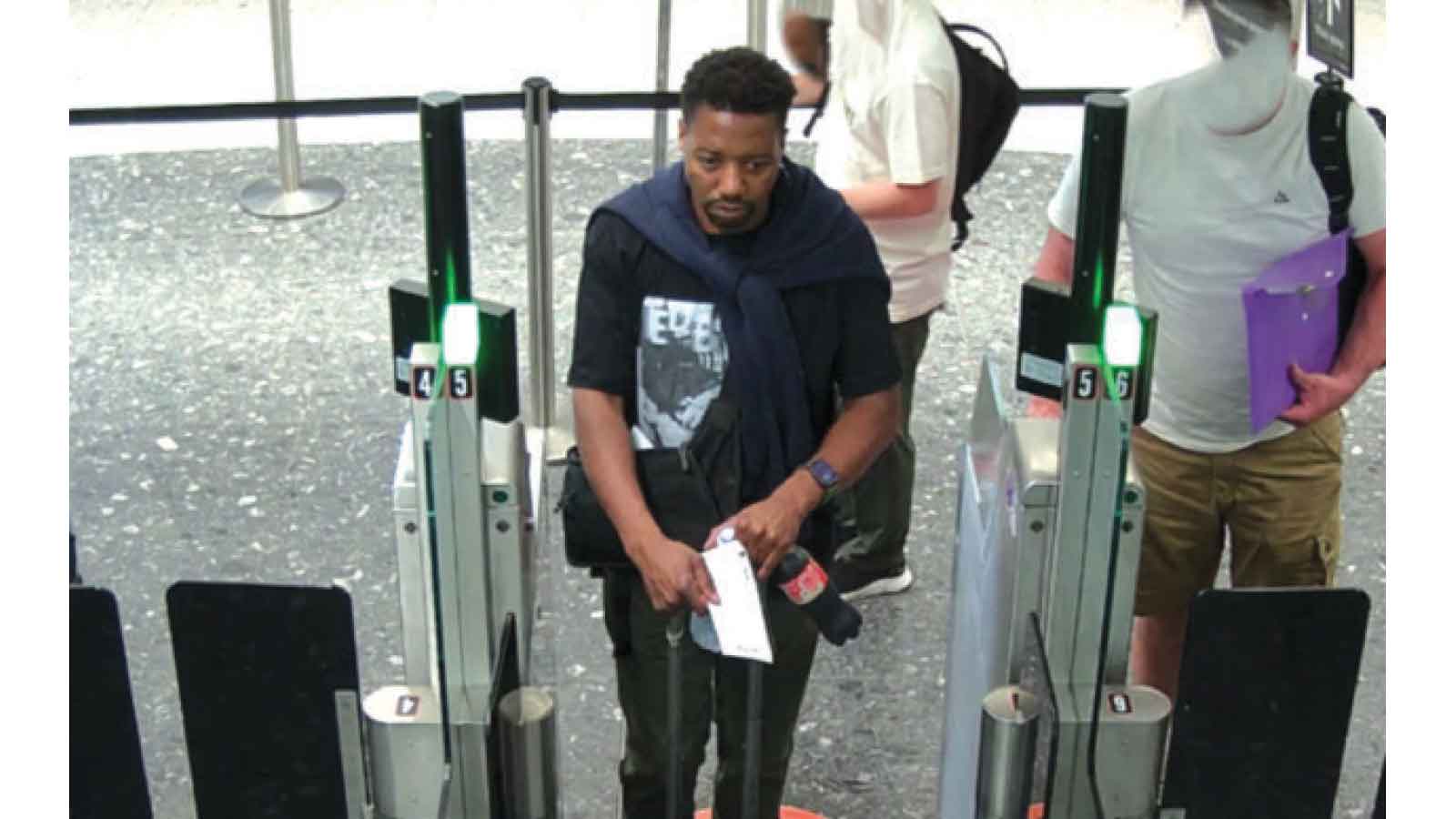
WHILE Zimbabwe has watched in horror as details continue to emerge from the South African trial of Ndodana Mkhanyisi Tshuma — a United Kingdom (UK)-based expatriate whose alleged murder of his wife and two children has shocked people on both sides of the Limpopo — there is an uncomfortable truth that many have been forced to confront.
Sure, the details of the murder of the Tshumas are unfathomable.
It is unimaginable to think that a man woke up one British summer day and decided to allegedly take three lives: one of a woman he had once pledged to love forever and two children who were his flesh and blood.
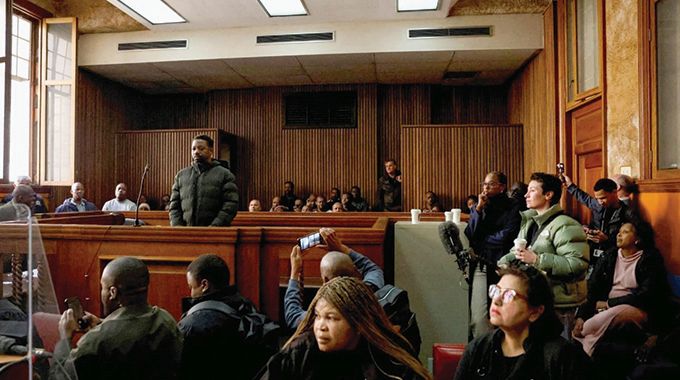
With every court appearance, a new blood-curdling detail emerges.
Last week, a South African court heard that the three victims — who were killed days after their alleged murderer had already fled the United Kingdom — were bludgeoned to death.
While the killing of the trio was gruesome, the kind of violence that has left Zimbabweans horrified is no longer a tragedy that exists somewhere else.
It is happening here.
In the space of a fortnight, Zimbabwe has witnessed a string of gruesome domestic killings that paint the picture of a country where disagreements between lovers are increasingly ending not in separation, but in bloodshed.
In Harare’s Eastview suburb, police say a domestic dispute allegedly culminated in a 24-year-old man, Gift Muyengwa, stabbing his wife before setting ablaze the cabin in which his two young children slept.
The children’s bodies were burnt beyond recognition, while their mother survived with stab wounds to the head and neck.
Only days earlier, Bulawayo awoke to another horrifying scene in Nkulumane 5, where a man allegedly attacked his wife with an axe before turning his rage on three children with a steel rod.
An infant died on the way to the hospital, while two other children were left fighting for their lives.
The violence has not been confined to men alone.
In Harare, police arrested Yona Mazenge after she allegedly fatally stabbed her husband, Norest Nyamukusa, during a domestic altercation that reportedly began after he returned home intoxicated and accused her of infidelity.
Three incidents. Three households. Three families permanently altered. All within days of each other.
Taken individually, each case is heart-breaking. Viewed together, they suggest that the violence within Zimbabwean homes is becoming frighteningly commonplace.
These murders come at a time when marriages themselves are under unprecedented strain.
Statistics from the High Court show that Zimbabwe received 3 989 divorce applications between January and December last year — a 27 percent increase from the 3 138 cases recorded the previous year.
Harare accounted for the highest number of filings, with registrations climbing from 1 939 to 2 386 in just a year.
Bulawayo experienced an even sharper rise, with divorce registrations jumping by about 40 percent, from 754 to 1 052 cases.
Numbers alone, however, cannot explain why relationships increasingly appear to be ending in courtrooms, police stations or mortuaries.
At the turn of the year, Bulawayo-based lawyer Nikiwe Ncube-Tshabalala told this publication that economic challenges had become one of the greatest pressures on modern marriages.
“You have people going to the diaspora or couples separating because of economic reasons. Marriages become intolerable, leading to divorce,” she said.
But financial pressure tells only part of the story.
Ncube-Tshabalala pointed to the slow erosion of the extended family structures that once acted as a safety net for troubled couples as a reason why many marriages were ending prematurely and acrimoniously.
“In the past, families played a central role in grooming couples, but now that support system has weakened. Some people are also entering marriages for the wrong reasons,” she said.
For generations, marriage in Zimbabwe was rarely regarded as a private affair between husband and wife alone.
Uncles, aunts, grandparents and respected elders acted as counsellors long before disputes reached boiling point.
Couples had somewhere to turn before resentment hardened into bitterness.
Today, many young couples find themselves navigating conflict in isolation.
The people who once mediated disputes are often absent, either because families are geographically scattered or because changing social norms have reduced the influence of traditional family elders.
In their place has emerged a dangerous silence. Many people suffer alone until emotions become impossible to contain.
Mental health advocate Emmanuel Nkomo believes that Zimbabwe can no longer afford to treat emotional distress as a private burden.
He argued that while spiritual and emotional support remain important, the country urgently needs better mental health services.
“While emotional and spiritual support are valuable, a comprehensive approach is needed to address the rising mental health challenges. We need to see improved public healthcare systems and increased accessibility to mental health services,” he said.
According to Nkomo, early diagnosis and treatment can prevent many crises before they spiral beyond control.
Yet counselling need not always begin inside hospitals or clinics.
Whether it is an uncle, a church elder, a counsellor, a psychologist, a trusted friend or even a neighbour, having an outlet for anger, disappointment and despair can mean the difference between healing and catastrophe.
The tragedy is that many people only discover they needed help after irreversible damage has already been done.
The images from Eastview, Nkulumane and Harare will eventually fade from newspaper front pages. The headlines surrounding Tshuma’s alleged crimes in South Africa will also one day disappear from public conversation.
But unless Zimbabwe confronts the growing pressures eating away at its families — including economic hardship, untreated mental illness, isolation and the collapse of traditional support systems — another family somewhere will wake up to a familiar nightmare.
And once again, the country will ask how love, which begins with promises of forever, ended in another funeral procession.
Bulawayo podcaster Makhosi Sibanda says the idea behind his platform came from recognising the importance of having someone to speak to during life’s difficult moments.
“I had this idea in my head since 2019 because whenever I would have something troubling me, I would talk to my uncle about it. So, I asked myself why I always went to him at such times. He would give me life advice and whenever
I would get stuck, I would turn to him.
“This was a break from convention because someone perhaps would expect me to turn to my siblings or my father.
This showed me that perhaps we get advice from places where we least expect it. This made me think that there are always good ideas floating around in these unconventional places. So, the podcast is a way for me to harness all those ideas into one,” he said.