

 admin
admin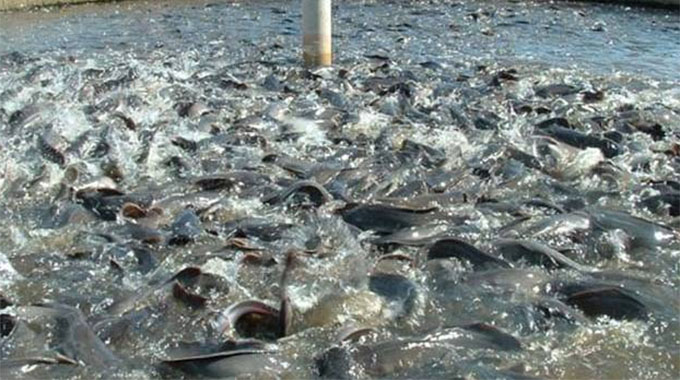
Fildah Gwati
IN a move that inculcates a culture of fish farming in children from a tender age, the Fisheries and Aquaculture Resource Department has launched the ‘fish for schools’ pilot programme at Top Quality Junior School in Mazowe.
Top Quality Junior School principal Mrs Imelda Chanyowedzwa said fish farming played a vital role in providing nutritious food for the growing population and the Government’s introduction of the fish for schools programme was an environmental response to sustainable nutrition food production.
“The fish farming projects offer students a hands-on learning experience helping them understand the principles of biology, ecology and environmental sustainability in a practical and engaging way. They have the opportunity to observe the balanced ecosystem of an aquatic complex and the development of different fish species.
“The programme aligns with schools’ commitment to education 5, 0 and environmental conservation. By implementing sustainable practices such as efficient water use and responsible wastewater management, schools are instilling a sense of responsibility in learners and encouraging them to become stewards of the planet,” said Mrs Chanyowedza.
She added that the programme being rolled out by the Fisheries and Aquaculture Resource Department (FARD) under the Presidential Community Fisheries Scheme had also availed labour for the construction of the pond, plastic paper, fish and around 200 kilogrammes of feeds, which included starter one, two and three and protein sources. The school will manage the pond with the help from FARD.
Mrs Chanyowedza commended the fish farming projects saying it opened up new possibilities for interdisciplinary collaboration and had a positive impact on education, food security and environmental sustainability. She added that by embracing the project, schools were not only enriching students’ education but making a positive impact on the wider community.
FARD director Mr Milton Makumbe observed that school children were important to the national drive to enhance aquaculture skills for development of schools and the establishment of aquaculture at schools as a key component in enhancing food and nutrition security. He was representing Lands, Agriculture, Fisheries, Water and Rural Development Deputy Minister Davis Marapira at the handover ceremony of the fish pond and the vital accessories to Top Quality Junior School.
Dep Min Marapira added that by harnessing the power of aquaculture, a steady supply of nutritious protein was ensured for the community.
“The programme aims to take aquaculture as a business not only providing fingerlings for schools but also incorporating training for capacity building for all fish farmers within the aquaculture sector. These trainings are crucial for ensuring the continuity and sustainability of aquaculture practices in schools. Despite the numerous health benefits associated with fish consumption, Zimbabwe has relatively low fish consumption compared to other countries in the Southern African Development Community (SADC). To address this, the programme encourages the theme of “eating fish once or twice a week,” he said.
To ensure that no one is left behind, the fisheries programme is launching a project to incorporate fish farming into the primary and tertiary education curriculum that will cover primary and secondary schools, agricultural colleges, hospitals and prisons. This will be under the Presidential Community Fisheries Scheme.
Mr Makumbe also revealed that 129 schools with functional ponds had been identified for stocking this season.



 Online Reporter