Bruce Ndlovu [email protected]
FROM the outside, the lives of celebrities, particularly musicians, appear glamorous. They move from venue to venue across the country and sometimes around the world, performing at prestigious events and basking in the adulation of thousands of fans. They sleep in five-star hotels, receive gifts and enjoy the perks that come with fame and fortune.
It is the life of the proverbial rolling stone, always on the move, with little time to stop and catch one’s breath. Fast, furious and exhilarating as it may seem, such a lifestyle can also leave its occupants exhausted and searching for companionship along the way.
For musicians who spend much of their lives on the road, relationships, affairs and fleeting encounters with admirers, often referred to as groupies, are not uncommon. Whether single or married, some find themselves caught up in romances that begin and end as quickly as the next tour stop.
But while the music eventually stops and the touring comes to an end, the consequences of some of these encounters can linger for years.
For several male celebrities, those consequences have come in the form of unexpected paternity claims, with adults emerging years later alleging that a famous musician or entertainer is their biological father. In some notorious cases, some of these cases have turned out to be false.
In Zimbabwe, perhaps one of the most publicised recent examples involved Aaron Chaka, who caused a stir in local showbiz in 2024 when he claimed to be the forgotten son of the late music legend Oliver Mtukudzi.
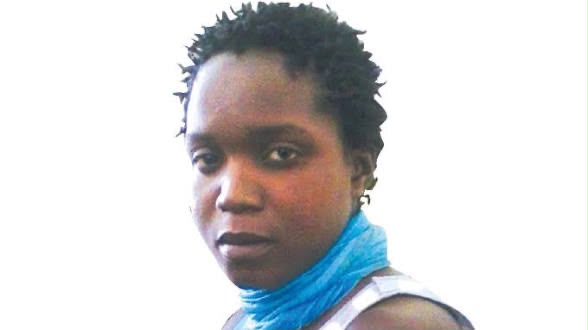
Chaka’s perceived resemblance to the late musician’s children, coupled with his claims that some members of the Mtukudzi family had accepted him, sparked debate, with some people arguing that he deserved recognition as part of the family.
However, his claims were vehemently rejected by the family matriarch and Mtukudzi’s widow, Daisy Mtukudzi.
“Where was he all along? Why has he all of a sudden decided to come forward claiming to be my husband’s son? What is his real motive?” Daisy asked in an interview with The Sunday Mail Entertainment.
With the claims emerging after Mtukudzi’s death, the musician was no longer around to address the allegations or give his side of a purported relationship said to have taken place in the 1970s.
However, Chaka was not the first person to publicly claim a biological connection to the late superstar.
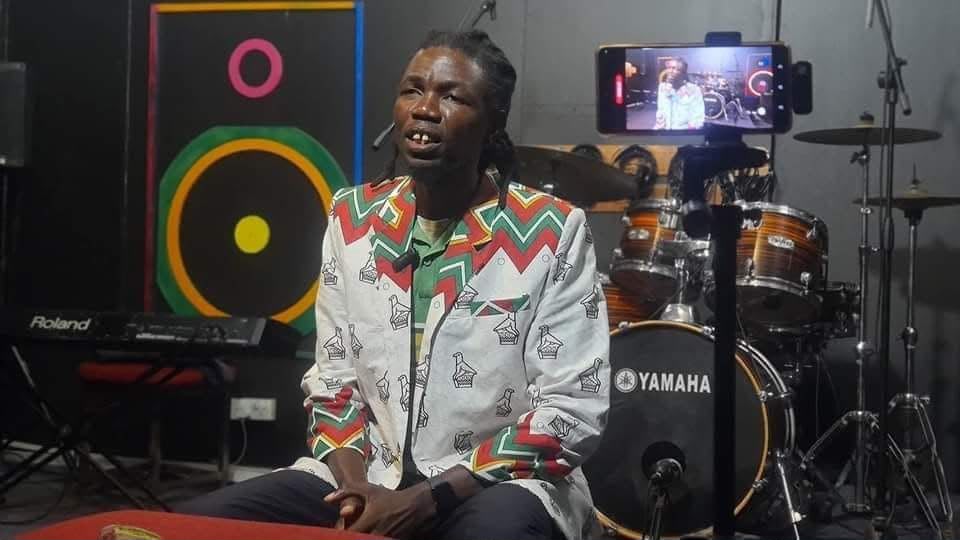
Before him was Memory, who was alleged to be the product of an affair between Mtukudzi and a Bulawayo-based woman.
By the time of his death, Mtukudzi appeared to have been making efforts to repair the relationship, having reportedly bought Memory a residential stand in Cowdray Park.
A few years earlier, another paternity dispute had emerged involving Selby, whose claims to be Mtukudzi’s son were initially rejected by the musician.
“People look at me and say ‘he’s ageing and dying’ and they want to take advantage of that. Selby and his mother should prove that he’s my son,” Mtukudzi said in an interview.
However, in his controversial book, Tuku Backstage, the musician’s former manager, Shepherd Mutamba, would later reveal that Mtukudzi had acknowledged Selby as his son.
Beyond Zimbabwe’s borders, the complicated relationship between life on the road and unexpected paternity claims has also found its way into popular culture.
Perhaps one of the most famous musical references to the phenomenon is Michael Jackson’s hit song Billie Jean. Jackson explained that the song drew inspiration from experiences he and his brothers had encountered while performing with the Jackson Five.
“They would hang around backstage doors, and any band that would come to town they would have a relationship with and I think I wrote this out of experience with my brothers when I was little. There were a lot of Billie Jeans out there. Every girl claimed that their son was related to one of my brothers,” Jackson once said.
In the world of hip-hop, billionaire rapper and producer Dr Dre also experienced a dramatic reunion with a son he had not known for much of his life.
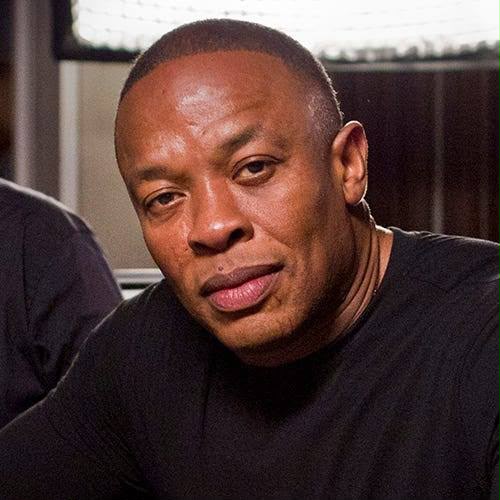
Curtis Young was 20 when he finally met his famous father for the first time, despite a DNA test having established paternity when he was 12. Until then, the rapper had reportedly been unaware of his son’s existence.
Perhaps an even more unusual story involves Aerosmith frontman Steven Tyler and his daughter, actress Liv Tyler.
For much of her childhood, Liv believed musician Todd Rundgren was her biological father. Rundgren, also musician, is married to her mother, model Bebe Buell, and had signed her birth certificate.
However, when she was about 11 or 12, Liv began questioning her parentage after noticing a striking physical resemblance between herself and Tyler’s other daughter, Mia, at an Aerosmith concert.
After confronting her mother, she eventually learnt that Steven Tyler was her biological father. Rundgren, who had helped raise her, nevertheless remained an important father figure in her life.
But while some paternity claims have eventually been acknowledged or confirmed, others have proved to be nothing more than elaborate attempts to attach oneself to a famous name.
In 2007, a woman identified as Kali Bowyer filed a lawsuit in Georgia claiming that comedian Chris Rock, who was married to Malaak Compton-Rock at the time, had fathered her 13-year-old son.
Rock and his then-wife strongly rejected the allegations and asked the court to establish paternity through DNA testing, saying they wanted to “put this harassment to rest”.
The tests subsequently confirmed that Rock was not the boy’s biological father.
In a statement following the outcome, the comedian expressed sympathy for the child, whom he said had been “embarrassed and exposed in the media by his mother”.