Online Reporter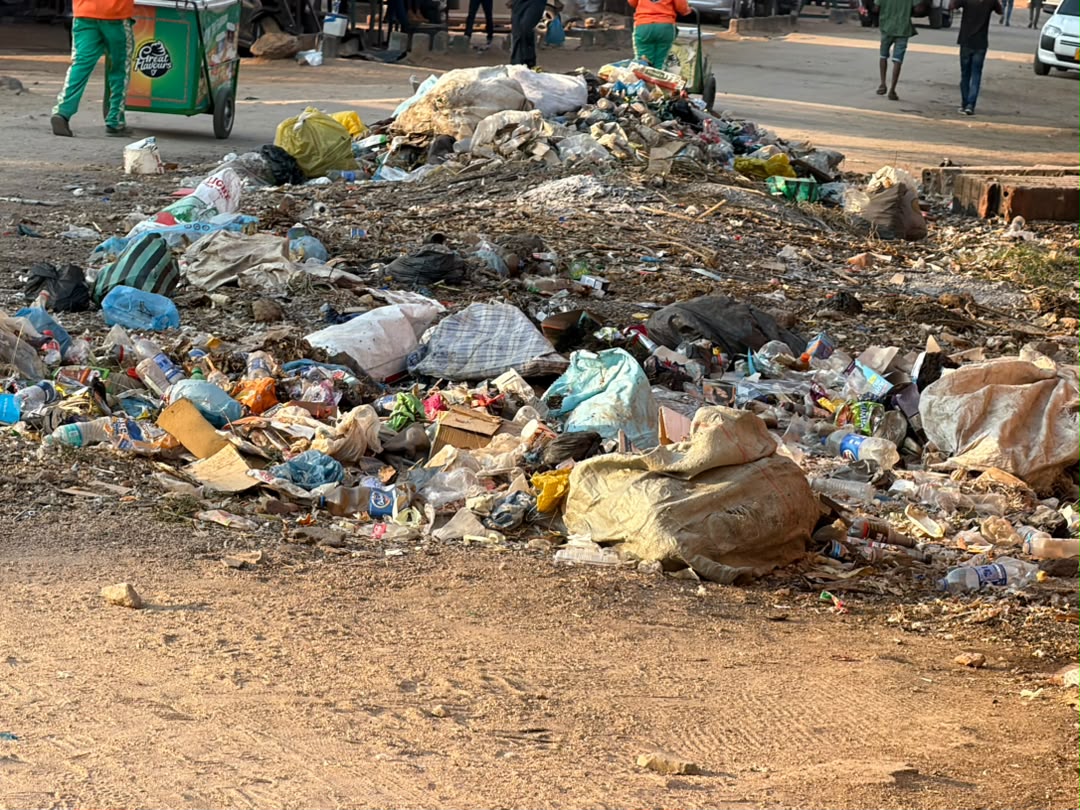
Raymond Jaravaza, Sunday News Reporter
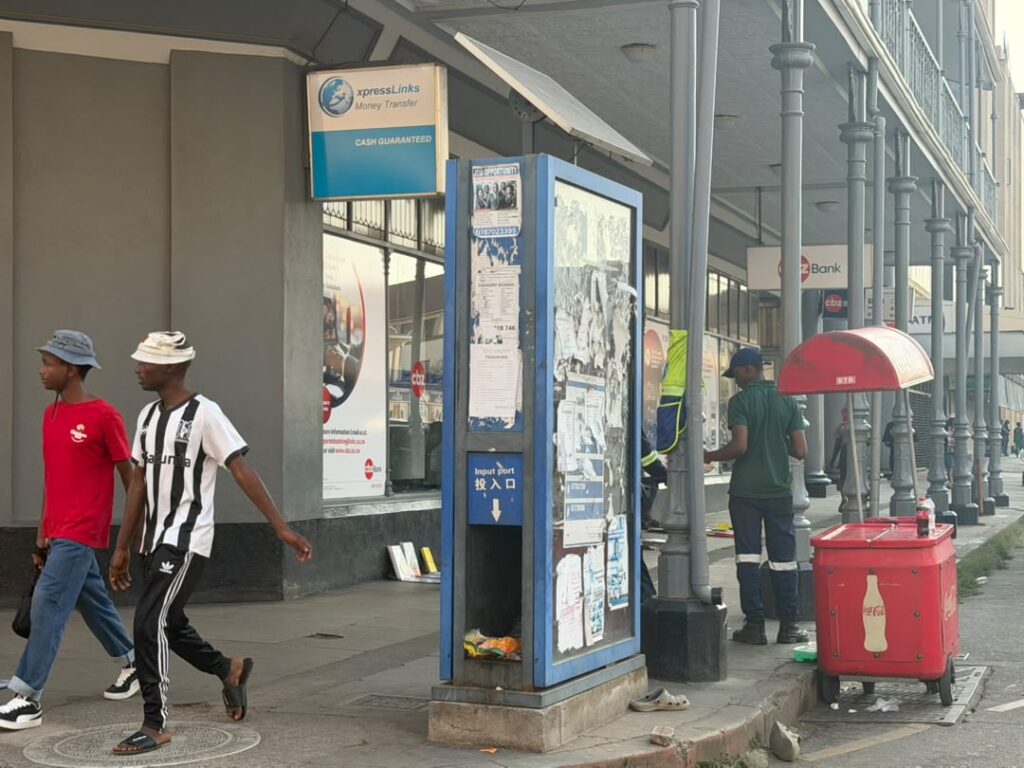
BULAWAYO is facing a 40 percent deficit of refuse bins, with vandalism and theft of metal bins worsening the city’s waste management crisis as some of the stolen infrastructure is turned into braai stands and door frames, Sunday News has learnt.
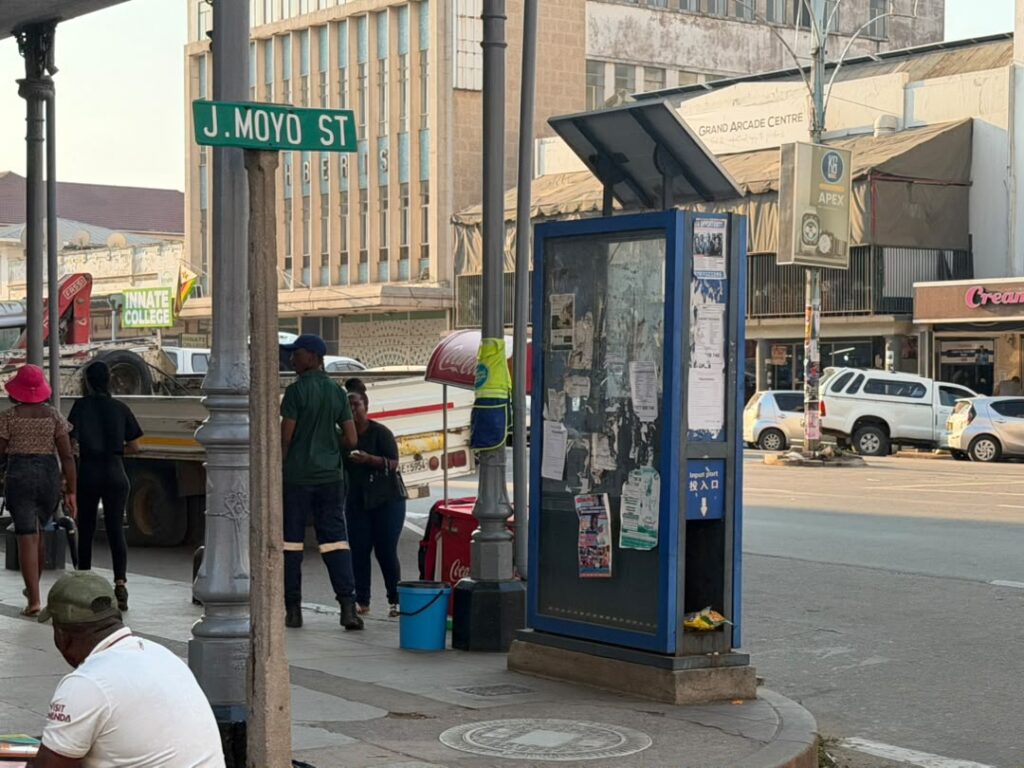
The shortage is among several challenges confronting the local authority as it battles illegal dumping, littering, equipment shortages and inadequate tools for its street sweepers while trying to keep Zimbabwe’s second-largest city clean.
Bulawayo City Council (BCC) Director of Health Services, Dr Edwin Mzingwane, said the city currently had only about 60 percent of the refuse bins required in the city centre, with metal bins increasingly being targeted by vandals and thieves.
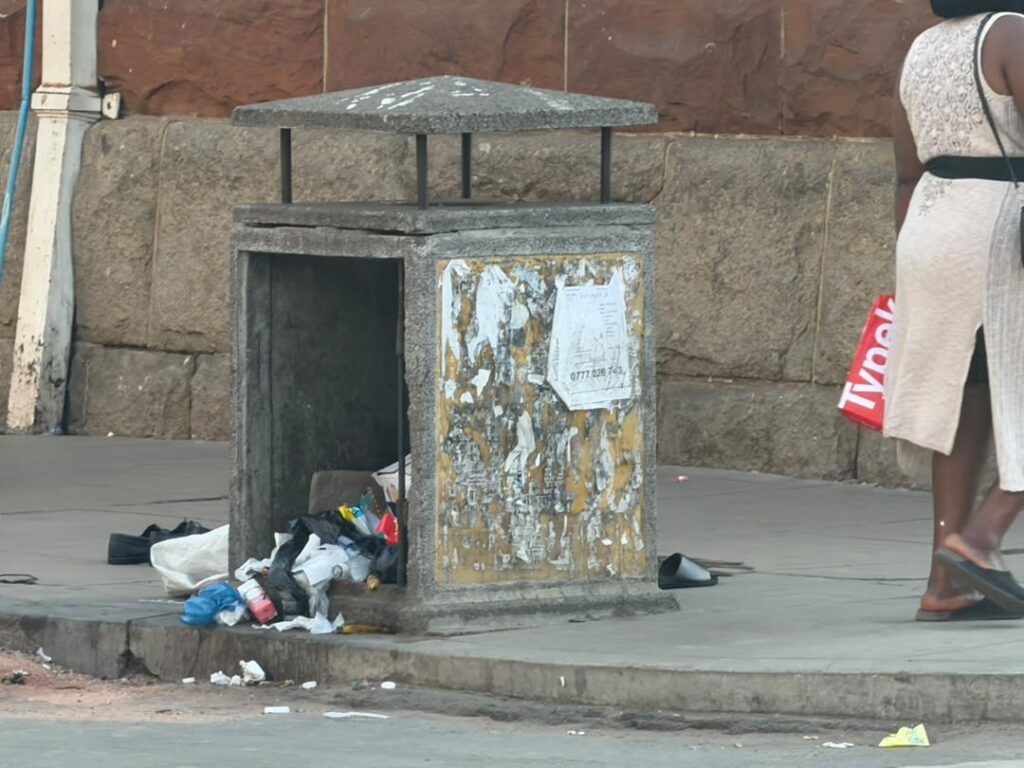
“The city presently has about 60 percent of refuse bins in the city centre and we are witnessing an increase in the cases of vandalism and theft of metal refuse bins that are being turned into braai stands and door frames,” he said.
“You will find that our refuse bins devised from metal drums are the most targeted. We have asked our engineers to design concrete refuse bins that we will install across the city centre as they are less prone to vandalism and theft.”
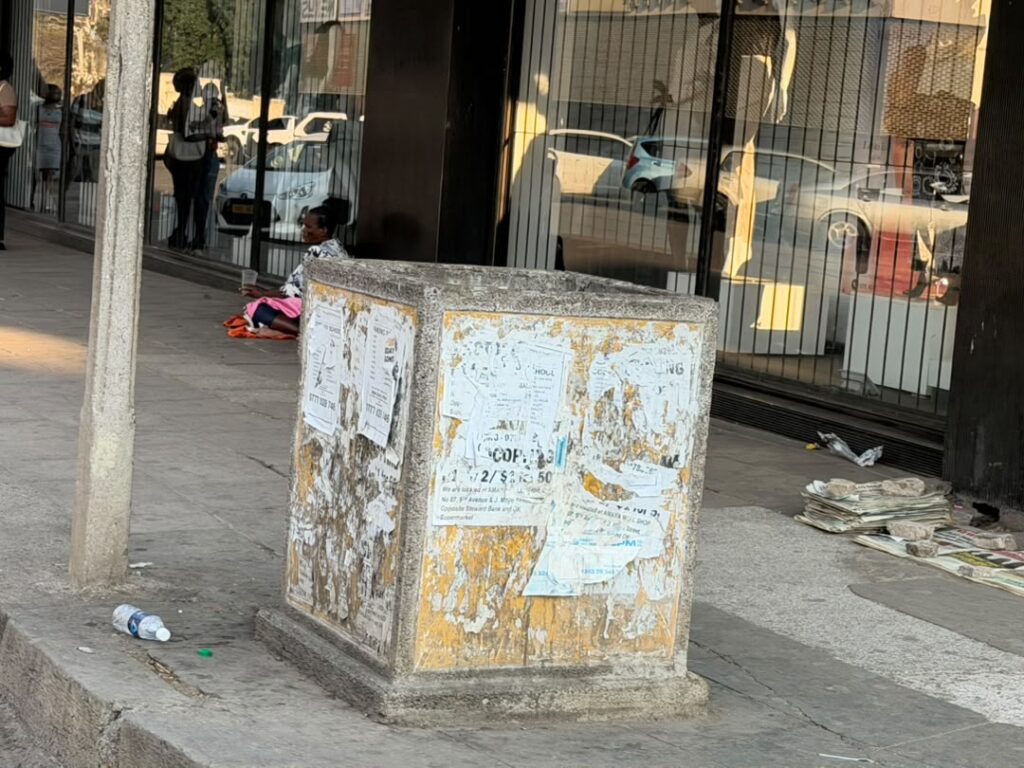
The shortage comes as the council grapples with illegal dumping and littering, particularly in the central business district (CBD). The latest Health, Housing and Education Committee report identified heavy littering in areas experiencing a high influx of illegal vending activities.
Although refuse collection in sanitary lanes has improved in recent months, the city continues to face challenges in the collection of healthcare waste due to the absence of a dedicated vehicle.
Industrial areas are also facing mounting waste management challenges, prompting council to consider introducing specialised bins for heavy waste.
“Council is looking at introducing skip bins, which are large, open-topped metal containers used to hold and transport heavy waste, but we presently do not have the specialised trucks that can handle such refuse bins,” said Dr Mzingwane.
He urged residents to take greater responsibility for keeping the city clean, saying individual behaviour is important in the fight against littering.
“Let us play our part in the city’s anti-littering campaign by practising simple yet effective waste management methods of holding onto our litter for a few metres until we locate a refuse bin in the city centre. Littering starts and ends with us as the residents of Bulawayo,” said Dr Mzingwane.
He said future anti-littering awareness campaigns would focus on educational institutions, including primary schools and youth centres, to encourage young people to appreciate the importance of keeping the city clean.
Ward 10 Councillor Khalazani Ndlovu said the council should also review the timing of street sweeping operations in the CBD.
He proposed that street sweepers report for duty as early as 5AM, before the CBD becomes congested.
“By 7AM, the central business district should be clean and we need more security guards to be hired during the night shifts to protect street sweepers from aggressive night vendors,” said Cllr Ndlovu.
“We also need clarity on whether trucks delivering cabbages along George Silundika Street at night are regularised because they are contributing large volumes of litter within the CBD.”
Beyond the CBD, the city’s landfill is presenting another major waste management challenge.
The Richmond Landfill, commonly known as Ngozi Mine, is experiencing maintenance problems due to a lack of equipment, while recurring fires continue to pose health risks to waste pickers and residents of nearby Emakhandeni, Luveve and Cowdray Park.
The landfill received 5,2 million kg of residential and commercial waste, while 599 271kg of industrial solid waste and 150 000 litres of industrial liquid waste were recorded.
The challenges at Ngozi Mine have also turned the landfill into a livelihood source for hundreds of vulnerable residents who rely on waste picking to survive.
Recently, President Mnangagwa directed Government to intervene and find a lasting solution to the
long-running crisis at the landfill, which has become a persistent health and environmental concern for communities in Cowdray Park, Emakhandeni and Luveve.
Waste pickers at Ngozi Mine have expressed hope that the proposed implementation of the Geo
Pomona waste management model will create more employment opportunities for about 450 households in the area and beyond as Government and the City of Bulawayo move to transform the landfill.
For residents of nearby Cowdray Park, who have endured choking smoke from recurring fires at the landfill, the prospect of a lasting solution has brought renewed hope.
They are optimistic that the planned transformation of the waste management system will improve both their environment and livelihoods.
For years, Ngozi Mine has effectively served as a major dumping site for the city and as a source of income for some of the city’s poorest residents.
The waste crisis therefore extends beyond the availability of refuse bins, with the council facing interconnected challenges involving waste collection, illegal dumping, vandalism, landfill management and the livelihoods of people who depend on waste picking.